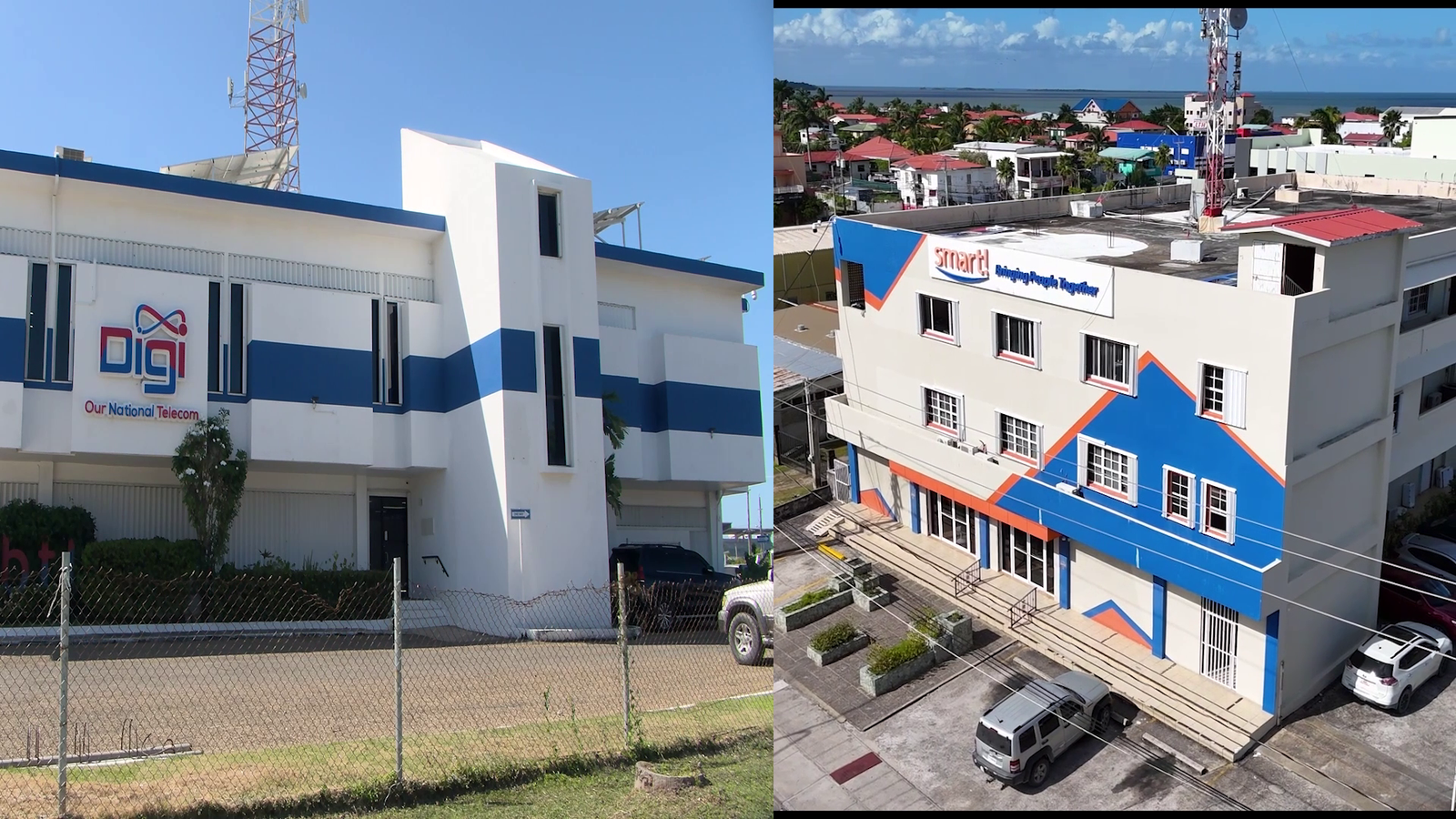
The debate over BTL’s proposed acquisition of Speednet has been loud, and for good reason. Belizeans want more transparency, more answers, and a clearer picture of what this deal could mean for competition and consumers. But BTL says the public is only hearing part of the story. The company argues that bringing the two telecom players together could cut costs, improve infrastructure, and eventually lead to savings for customers. Tonight, we look at the case being made in favor of the acquisition, while keeping the concerns front and center. News Five’s Paul Lopez reports.
 Paul Lopez, Reporting
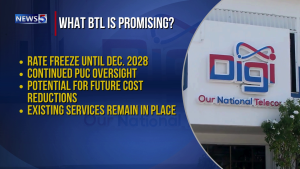
The proposed BTL-Speednet deal has been getting plenty of heat. Belizeans are asking tough questions about the eighty-million-dollar price tag, competition, transparency, and conflicts of interest. But BTL Chairman Markhelm Lizarraga says the public debate has focused too much on the dangers and not enough on the potential upside.

Markhelm Lizarraga
Markhelm Lizarraga, Chairman, BTL
“Because of the efficiencies that will come from market consolidation would allow for even a decrease in rates. For example, there would be no more need for interconnection charges between BTL and Smart. Efficiencies will bring savings to consumers, increase dividends to shareholders, improve working conditions and benefits for workers.”
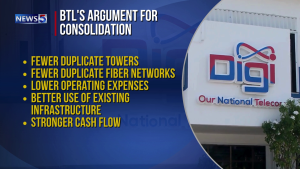
BTL argues that Belize’s telecom market is too small to support two separate systems doing the same job. According to Lizarraga, both companies maintain separate towers, fiber networks, software systems, marketing departments and administrative structures. Consolidating those operations, he argues, could eliminate unnecessary costs and create a more efficient industry.
 Markhelm Lizarraga
“Picture this, we have a system that can do a million people. Our system only holding about two hundred and twenty-five thousand. Smart has one hundred thousand. Even after consolidation we’ll only be using thirty something percent capacity of our system. Why have two systems? Consumers pay for it you know. Consumers pay for having two systems, two sets of fiber, and two sets of towers. Two sets of everything. All of these things make rate decreases difficult in this industry.”
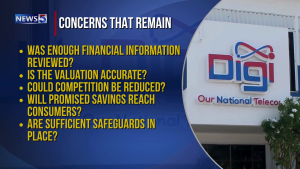 Another concern is the possibility of a monopoly. BTL rejects that claim, pointing to the Mobile Virtual Network Operator model, or MVNO framework, which would allow other businesses to offer telecommunications services using existing infrastructure. Supporters argue that the approach could preserve competition without requiring multiple companies to build parallel networks.
Markhelm Lizarraga
“We still need feedback from the PUC about concerns regarding competition through MVNOs and other means of assuring the public that concerns about increasing costs or BTL taking advantage of them are unfounded.”
 Earlier this week, questions about benefits associated with the proposed merger was posed to Vice President of Industry at the Belize Chamber of Commerce and Industry, William Usher, here is how he responded.

William Usher
William Usher, Vice Chairman, BCCI
“I think from a business standpoint there are many things. A lot of what they are saying probably will be beneficial. That for me and for us at the Chamber that is really not the problem. The problem is the guardrails that needs to be in place. Without the guardrails that is where we will fall short of whatever positiveness they are proposing to do. It is just simply business. And you know that if the guardrails are in play, if it is going where it should go, that there are measures in place to deal with it.”
For the average Belizean, however, the question may be far simpler. Will service improve? Will prices stay affordable? And will consumers truly receive the benefits BTL says will come from consolidation? Reporting for News Five, I am Paul Lopez.
Attention readers: This online newscast is a direct transcript of our evening television broadcast. When speakers use Kriol, we have carefully rendered their words using a standard spelling system.
Watch the full newscast here: