Sunday, August 9, 2026
    The GeoStrategic Consensus
    No Result
    View All Result
    • Login
    • HOME
    • AMERICAS
      • Argentina
      • Brazil
      • Canada
      • Chile
      • Colombia
      • Costa Rica
      • Cuba
      • Dominican Republic
      • Ecuador
      • El Salvador
      • Greenland
      • Guatemala
      • Honduras
      • Mexico
      • Nicaragua
      • Panama
      • Paraguay
      • Peru
      • United States
      • Uruguay
      • Venezuela
    • ASIA-PACIFIC
      • Australia
      • Brunei Darussalam
      • Cambodia
      • China
      • Federated States of Micronesia
      • Fiji
      • Indonesia
      • Japan
      • Kiribati
      • Laos
      • Malaysia
      • Marshall Islands
      • Mongolia
      • Myanmar
      • Nauru
      • New Zealand
      • North Korea
      • Palau
      • Papua New Guinea
      • Philippines
      • Samoa
      • Singapore
      • Solomon Islands
      • South Korea
      • Taiwan
      • Thailand
      • Timor-Leste
      • Tonga
      • Tuvalu
      • Vanuatu
      • Vietnam
    • CARICOM
      • CARICOM – Non-English
        • Haiti
        • Suriname
      • CARICOM Associates
        • Anguilla
        • Bermuda
        • British-Virgin-Islands
        • Cayman-Islands
        • Curacao
        • Turks-and-Caicos
      • CARICOM English
        • Antigua and Barbuda
        • Barbados
        • Belize
        • Dominica
        • Grenada
        • Guyana
        • Jamaica
        • Montserrat
        • Saint Kitts and Nevis
        • Saint Lucia
        • Saint Vincent and the Grenadines
        • The Bahamas
        • Trinidad and Tobago
    • EURASIA
      • Armenia
      • Azerbaijan
      • Balarus
      • Georgia
      • Kazakhstan
      • Kyrgyzstan
      • Moldova
      • Russia
      • Tajikistan
      • Turkmenistan
      • Ukraine
      • Uzbekistan
    • EUROPE
      • Albania
      • Andorra
      • Austria
      • Bosnia and Herzegovina
      • Bulgaria
      • Croatia
      • Cyprus
      • Czech Republic
      • Denmark
      • Estonia
      • Finland
      • France
      • Germany
      • Greece
      • Holy See
      • Hungary
      • Iceland
      • Ireland
      • Italy
      • Kosovo
      • Latvia
      • Liechtenstein
      • Lithuania
      • Luxembourg
      • Malta
      • Monaco
      • Montenegro
      • Netherlands
      • North Macedonia
      • Norway
      • Poland
      • Portugal
      • Romania
      • San Marino
      • Serbia
      • Slovakia
      • Slovenia
      • Spain
      • Sweden
      • Switzerland
      • United Kingdom
    • MIDDLE EAST AND NORTH AFRICA
      • Algeria
      • Bahrain
      • Egypt
      • Iran
      • Iraq
      • Israel
      • Jordan
      • Kuwait
      • Lebanon
      • Lybia
      • Morocco
      • Oman
      • Palestinian Territories
      • Qatar
      • Saudi Arabia
      • Syria
      • Tunisia
      • Turkey
      • United Arab Emirates
      • Western Sahara
      • Yemen
    • SOUTH ASIA
      • Afghanistan
      • Bangladesh
      • Bhutan
      • India
      • Maldives
      • Nepal
      • Pakistan
      • Sri Lanka
    • SUB-SAHARAN AFRICA
      • Angola
      • Benin
      • Botswana
      • Burkina Faso
      • Burundi
      • Cabo Verde
      • Cameroon
      • Central African Republic
      • Chad
      • Comoros
      • Cote d’Ivoire
      • Democratic Republic of the Congo
      • Djibouti
      • Equatorial Guinea
      • Eritrea
      • Eswatini
      • Ethiopia
      • Gabon
      • Gambia
      • Ghana
      • Guinea
      • Guinea Bissau
      • Kenya
      • Lesotho
      • Liberia
      • Madagascar
      • Malawi
      • Mali
      • Mauritania
      • Mauritius
      • Mozambique
      • Namibia
      • Niger
      • Nigeria
      • Republic of the Congo
      • Rwanda
      • Sao Tome and Principe
      • Senegal
      • Seychelles
      • Sierra Leone
      • Somalia
      • South Africa
      • South Sudan
      • Sudan
      • Tanzania
      • Togo
      • Uganda
      • Zambia
      • Zimbabwe
    • HOME
    • AMERICAS
      • Argentina
      • Brazil
      • Canada
      • Chile
      • Colombia
      • Costa Rica
      • Cuba
      • Dominican Republic
      • Ecuador
      • El Salvador
      • Greenland
      • Guatemala
      • Honduras
      • Mexico
      • Nicaragua
      • Panama
      • Paraguay
      • Peru
      • United States
      • Uruguay
      • Venezuela
    • ASIA-PACIFIC
      • Australia
      • Brunei Darussalam
      • Cambodia
      • China
      • Federated States of Micronesia
      • Fiji
      • Indonesia
      • Japan
      • Kiribati
      • Laos
      • Malaysia
      • Marshall Islands
      • Mongolia
      • Myanmar
      • Nauru
      • New Zealand
      • North Korea
      • Palau
      • Papua New Guinea
      • Philippines
      • Samoa
      • Singapore
      • Solomon Islands
      • South Korea
      • Taiwan
      • Thailand
      • Timor-Leste
      • Tonga
      • Tuvalu
      • Vanuatu
      • Vietnam
    • CARICOM
      • CARICOM – Non-English
        • Haiti
        • Suriname
      • CARICOM Associates
        • Anguilla
        • Bermuda
        • British-Virgin-Islands
        • Cayman-Islands
        • Curacao
        • Turks-and-Caicos
      • CARICOM English
        • Antigua and Barbuda
        • Barbados
        • Belize
        • Dominica
        • Grenada
        • Guyana
        • Jamaica
        • Montserrat
        • Saint Kitts and Nevis
        • Saint Lucia
        • Saint Vincent and the Grenadines
        • The Bahamas
        • Trinidad and Tobago
    • EURASIA
      • Armenia
      • Azerbaijan
      • Balarus
      • Georgia
      • Kazakhstan
      • Kyrgyzstan
      • Moldova
      • Russia
      • Tajikistan
      • Turkmenistan
      • Ukraine
      • Uzbekistan
    • EUROPE
      • Albania
      • Andorra
      • Austria
      • Bosnia and Herzegovina
      • Bulgaria
      • Croatia
      • Cyprus
      • Czech Republic
      • Denmark
      • Estonia
      • Finland
      • France
      • Germany
      • Greece
      • Holy See
      • Hungary
      • Iceland
      • Ireland
      • Italy
      • Kosovo
      • Latvia
      • Liechtenstein
      • Lithuania
      • Luxembourg
      • Malta
      • Monaco
      • Montenegro
      • Netherlands
      • North Macedonia
      • Norway
      • Poland
      • Portugal
      • Romania
      • San Marino
      • Serbia
      • Slovakia
      • Slovenia
      • Spain
      • Sweden
      • Switzerland
      • United Kingdom
    • MIDDLE EAST AND NORTH AFRICA
      • Algeria
      • Bahrain
      • Egypt
      • Iran
      • Iraq
      • Israel
      • Jordan
      • Kuwait
      • Lebanon
      • Lybia
      • Morocco
      • Oman
      • Palestinian Territories
      • Qatar
      • Saudi Arabia
      • Syria
      • Tunisia
      • Turkey
      • United Arab Emirates
      • Western Sahara
      • Yemen
    • SOUTH ASIA
      • Afghanistan
      • Bangladesh
      • Bhutan
      • India
      • Maldives
      • Nepal
      • Pakistan
      • Sri Lanka
    • SUB-SAHARAN AFRICA
      • Angola
      • Benin
      • Botswana
      • Burkina Faso
      • Burundi
      • Cabo Verde
      • Cameroon
      • Central African Republic
      • Chad
      • Comoros
      • Cote d’Ivoire
      • Democratic Republic of the Congo
      • Djibouti
      • Equatorial Guinea
      • Eritrea
      • Eswatini
      • Ethiopia
      • Gabon
      • Gambia
      • Ghana
      • Guinea
      • Guinea Bissau
      • Kenya
      • Lesotho
      • Liberia
      • Madagascar
      • Malawi
      • Mali
      • Mauritania
      • Mauritius
      • Mozambique
      • Namibia
      • Niger
      • Nigeria
      • Republic of the Congo
      • Rwanda
      • Sao Tome and Principe
      • Senegal
      • Seychelles
      • Sierra Leone
      • Somalia
      • South Africa
      • South Sudan
      • Sudan
      • Tanzania
      • Togo
      • Uganda
      • Zambia
      • Zimbabwe
    No Result
    View All Result
    Agentially
    No Result
    View All Result
    Home SOUTH ASIA India

    Towards nutritional literacy: navigating food labels, social media feeds and traditional wisdom to arrive at better diets 

    The Analyst by The Analyst
    August 9, 2026
    in India
    Towards nutritional literacy: navigating food labels, social media feeds and traditional wisdom to arrive at better diets 


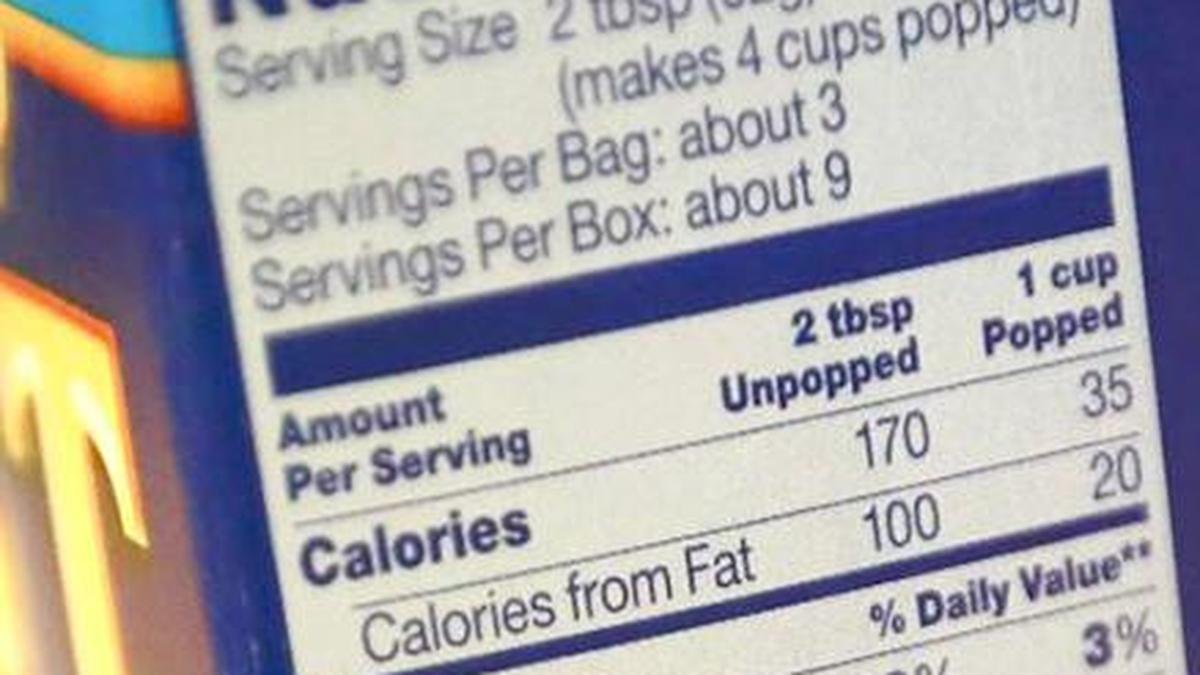
    Walk through the aisles of any supermarket today and you will notice that the language on food packages is changing. Amidst a sea of products that were once marketed primarily for taste and convenience, labels are now increasingly highlighting health-related attributes: natural, clean, high protein, no added sugar, low fat, organic, fortified and gut-friendly. This phenomenon reflects an industry responding to a consumer who is asking more questions than ever before about what goes into their food.

    READ ALSO

    What does the Centre’s opposition to creamy layer for SC/STs entail? | Explained

    Many aspects of Ayodhya Ram temple donation ‘theft’ probe done: U.P. Police

    At the same time, social media is flooded with advice warning us against ‘processed foods’, urging us to eat ‘clean’, and encouraging us to avoid anything that comes in a packet.

    As consumers therefore, we are caught between two extremes. On one hand, food companies are competing to position themselves as healthier than ever. On the other, influencers and headlines often paint processed foods as the villains responsible for every lifestyle disease.

    The truth, as is often the case in nutrition, is far more nuanced.

    Transformed diets

    India’s food landscape is undoubtedly changing. Rising incomes, urban lifestyles, greater health awareness, and increasing rates of obesity and diabetes have prompted consumers to ask important questions about what goes into their food. Regulators too, are paying closer attention to product claims, ingredient transparency and food labelling. This is a welcome shift because informed consumers make better choices.

    However, greater awareness should not translate into greater fear. Before we judge foods solely by whether they are ‘processed’ or ‘ultra-processed’, we first need to understand what processing actually means.

    Processing is not a modern evil

    One of the biggest misconceptions today is that processing is something invented by food companies. In reality, humans have been processing food for thousands of years.

    Cleaning rice before cooking, grinding wheat into flour, fermenting curd, roasting peanuts, drying spices, pasteurising milk, freezing vegetables, making pickles or preserving fruits into jams; all of these involve processing. These methods improve safety, increase shelf life, enhance digestibility, reduce food waste, or simply make food enjoyable.

    Processing has its own clinical impacts beyond preservation and convenience. Many processing techniques may enhance the availability of nutrients by multiple folds. For instance, germination of pulses not only improves their digestibility; it also increases their Vitamin C content. Fermentation may help reduce anti-nutrient factors such as phytates, which naturally hinder mineral absorption when consumed raw. Pasteurisation and boiling can help reduce food-borne microbial contaminations. Cooking food can enhance the bioavailability of antioxidants like lycopene and beta carotene by breaking down the complex food matrix, hence, increasing its functional properties. Processing food to different textures can also make it more palatable and suitable for geriatrics, infants or people with special needs.

    Food processing exists on a spectrum. At one end are minimally-processed foods: washed vegetables, frozen peas, roasted nuts or plain curd. At the other end are foods that undergo multiple industrial processes and contain several ingredients designed to improve taste, texture or shelf life.

    The word ‘processed’ therefore tells us very little about whether a food is healthy. It simply describes what has happened to it before it reaches our plate.

    Look at the ingredient list

    Consumers today often ask me, “Should I stop eating processed foods?” My answer is usually another question. “Which processed food are you talking about?”

    A packet of plain oats is processed. So is whole wheat flour. So is coffee. Instead of focusing only on whether a food is processed, we should learn to evaluate its nutritional quality. How much sugar does it contain? Is it high in sodium? Does it provide protein, fibre or essential nutrients? How often do you eat it? What role does it play in your overall diet?

    These questions are far more useful than making decisions based solely on a category.

    Health claims need context

    Recent discussions around food labels have highlighted another important issue; the language used to market food.

    Terms such as ‘no added sugar’, ‘natural’, ‘clean label’ or ‘preservative-free’ can sometimes create what nutrition experts call a health halo. A product may appear healthy because of one positive claim, even while consumers may not fully understand its complete nutritional picture.

    Food innovation is evolving rapidly, and manufacturers are responding to genuine consumer demand for healthier alternatives. At the same time, regulators are rightly working to ensure that health claims are scientifically accurate, clearly communicated and easy to interpret.

    This is a positive development for everyone; consumers, regulators and industry alike. Transparent communication builds trust, while clear regulations encourage innovation that is backed by science rather than marketing alone.

    As consumers, however, we must remember that no single claim should determine whether a food is ‘good’ or ‘bad’. Reading beyond the front-of-pack message remains one of the most valuable habits we can develop.

    Convenience has its place

    It is easy to romanticise traditional cooking and assume that every meal should be prepared fresh from scratch. But we must also recognise that ‘traditional’ cooking often came at the cost of invisible labour, particularly that of women. For generations, women spent several hours each day washing, grinding, chopping, cooking and preserving food for the household. Much of this work went unrecognised and left little time for education, careers or leisure.

    Today, food preparation has become more accessible and, in many ways, more democratised. Time-saving ingredients, ready-to-cook staples, frozen vegetables, packaged atta, curd, spice blends and other convenience foods have enabled more people – not just women – to share the responsibility of preparing meals. They have also made it easier for students living away from home, working professionals, elderly individuals and those with limited cooking skills to put together reasonably balanced meals.

    Modern life looks very different from what it did even twenty years ago. Long commutes, nuclear families and dual-income households mean that convenience is no longer a luxury; it is often a necessity. Packaged foods can provide accessibility, affordability, food safety and consistency that fresh alternatives may not always offer.

    The goal should therefore not be to eliminate packaged foods altogether, but to choose wisely within the wide range available.

    Nutrition is bigger than one food

    One chocolate biscuit does not ruin a healthy diet. Similarly, one salad does not create good health. Nutrition has always been about patterns, not perfection.

    Our health depends on what we eat consistently over months and years; the balance between cereals, pulses, fruits, vegetables, dairy, healthy fats, nuts and occasional treats. Physical activity, sleep, stress management and genetics all influence health alongside diet.

    When we become overly anxious about individual ingredients or food categories, we risk developing confusion instead of confidence. Food should nourish us, not frighten us.

    Becoming smarter consumers

    India is entering an important phase in its nutrition journey. Better food labelling, stronger scientific standards, responsible innovation and greater consumer awareness can together improve public health. But regulations alone cannot replace nutritional literacy.

    As consumers, we need to move beyond simplified narratives that classify every food as either ‘clean’ or ‘toxic’. Instead, we should understand what processing means, learn how to interpret labels, appreciate portion sizes, and focus on the quality of our overall eating pattern.

    The conversation should shift from fear to understanding.

    After all, nutrition is rarely about choosing between fresh and packaged, or natural and processed. It is about making informed decisions, eating a balanced and varied diet, and recognising that good health is built through consistent habits rather than perfect labels.

    Perhaps the healthiest change taking place in India’s food landscape is not simply the reformulation of products or the redesign of packaging. It is the emergence of a consumer who asks thoughtful questions, seeks evidence over emotion, and understands that in nutrition, context will always matter more than categories.

    (Dr. Manjari Chandra is a nutritionist and clinical dietitian associated with Max Hospital in Delhi and Gurugram. manjariwellness@gmail.com)


    Source link

    Related Posts

    What does the Centre’s opposition to creamy layer for SC/STs entail? | Explained
    India

    What does the Centre’s opposition to creamy layer for SC/STs entail? | Explained

    August 9, 2026
    Many aspects of Ayodhya Ram temple donation ‘theft’ probe done: U.P. Police
    India

    Many aspects of Ayodhya Ram temple donation ‘theft’ probe done: U.P. Police

    August 9, 2026
    NEET-UG paper leak: What CBI chargesheet reveals about conspiracy, accused, modus operandi? | Explained
    India

    NEET-UG paper leak: What CBI chargesheet reveals about conspiracy, accused, modus operandi? | Explained

    August 9, 2026
    Assam records world’s first-ever release of captive-bred slender-billed vultures
    India

    Assam records world’s first-ever release of captive-bred slender-billed vultures

    August 9, 2026
    How ‘AI sentries’ are bringing new hope to Kerala’s human-wildlife conflict zones
    India

    How ‘AI sentries’ are bringing new hope to Kerala’s human-wildlife conflict zones

    August 9, 2026
    Kerala can become India’s model AI governance State
    India

    Kerala can become India’s model AI governance State

    August 8, 2026
    Next Post
    Fire extinguished at Aramco refinery in Jazan

    Fire extinguished at Aramco refinery in Jazan

    POPULAR NEWS

    2026 Regional and International Conventions of Jehovah’s Witnesses

    2026 Regional and International Conventions of Jehovah’s Witnesses

    July 7, 2026
    Løkke is personally disappointed with the United States, which is celebrating its 250th birthday

    Løkke is personally disappointed with the United States, which is celebrating its 250th birthday

    July 9, 2026
    Petkovic leaves “The Greens” with two months’ compensation – Al-Shorouk Online

    Petkovic leaves “The Greens” with two months’ compensation – Al-Shorouk Online

    July 6, 2026
    Thaksin, Yingluck and Paetongtarn meet Indonesian President Prabowo for investment talks

    Thaksin, Yingluck and Paetongtarn meet Indonesian President Prabowo for investment talks

    July 13, 2026
    India’s imports from China soar to $80 billion in first half of 2026, exports up 37%

    India’s imports from China soar to $80 billion in first half of 2026, exports up 37%

    July 16, 2026

    EDITOR'S PICK

    Pacific Island parties receive $USD50.4 million

    Pacific Island parties receive $USD50.4 million

    August 6, 2026
    Opinion | The Revealing Diaries of Dr. Fauci

    Opinion | The Revealing Diaries of Dr. Fauci

    July 27, 2026
    Ramlogan to lead lawsuit against THA following jet ski tragedy

    Ramlogan to lead lawsuit against THA following jet ski tragedy

    July 8, 2026
    See How Your Values Stack Up Against the Rest of America

    See How Your Values Stack Up Against the Rest of America

    July 10, 2026

    Recent Posts

    • Fire extinguished at Aramco refinery in Jazan
    • Towards nutritional literacy: navigating food labels, social media feeds and traditional wisdom to arrive at better diets 
    • Coast Guard blocks Mohamed from MorucaAugust 6, 2026
    • 3-year-old girl hospitalized after Maple Ridge, B.C., bear attack

      © 2026 Agentially - Navigating shifting sovereignties and global risk .

      Welcome Back!

      Login to your account below

      Forgotten Password?

      Retrieve your password

      Please enter your username or email address to reset your password.

      Log In
      No Result
      View All Result
      • HOME
      • AMERICAS
        • Argentina
        • Brazil
        • Canada
        • Chile
        • Colombia
        • Costa Rica
        • Cuba
        • Dominican Republic
        • Ecuador
        • El Salvador
        • Greenland
        • Guatemala
        • Honduras
        • Mexico
        • Nicaragua
        • Panama
        • Paraguay
        • Peru
        • United States
        • Uruguay
        • Venezuela
      • ASIA-PACIFIC
        • Australia
        • Brunei Darussalam
        • Cambodia
        • China
        • Federated States of Micronesia
        • Fiji
        • Indonesia
        • Japan
        • Kiribati
        • Laos
        • Malaysia
        • Marshall Islands
        • Mongolia
        • Myanmar
        • Nauru
        • New Zealand
        • North Korea
        • Palau
        • Papua New Guinea
        • Philippines
        • Samoa
        • Singapore
        • Solomon Islands
        • South Korea
        • Taiwan
        • Thailand
        • Timor-Leste
        • Tonga
        • Tuvalu
        • Vanuatu
        • Vietnam
      • CARICOM
        • CARICOM – Non-English
          • Haiti
          • Suriname
        • CARICOM Associates
          • Anguilla
          • Bermuda
          • British-Virgin-Islands
          • Cayman-Islands
          • Curacao
          • Turks-and-Caicos
        • CARICOM English
          • Antigua and Barbuda
          • Barbados
          • Belize
          • Dominica
          • Grenada
          • Guyana
          • Jamaica
          • Montserrat
          • Saint Kitts and Nevis
          • Saint Lucia
          • Saint Vincent and the Grenadines
          • The Bahamas
          • Trinidad and Tobago
      • EURASIA
        • Armenia
        • Azerbaijan
        • Balarus
        • Georgia
        • Kazakhstan
        • Kyrgyzstan
        • Moldova
        • Russia
        • Tajikistan
        • Turkmenistan
        • Ukraine
        • Uzbekistan
      • EUROPE
        • Albania
        • Andorra
        • Austria
        • Bosnia and Herzegovina
        • Bulgaria
        • Croatia
        • Cyprus
        • Czech Republic
        • Denmark
        • Estonia
        • Finland
        • France
        • Germany
        • Greece
        • Holy See
        • Hungary
        • Iceland
        • Ireland
        • Italy
        • Kosovo
        • Latvia
        • Liechtenstein
        • Lithuania
        • Luxembourg
        • Malta
        • Monaco
        • Montenegro
        • Netherlands
        • North Macedonia
        • Norway
        • Poland
        • Portugal
        • Romania
        • San Marino
        • Serbia
        • Slovakia
        • Slovenia
        • Spain
        • Sweden
        • Switzerland
        • United Kingdom
      • MIDDLE EAST AND NORTH AFRICA
        • Algeria
        • Bahrain
        • Egypt
        • Iran
        • Iraq
        • Israel
        • Jordan
        • Kuwait
        • Lebanon
        • Lybia
        • Morocco
        • Oman
        • Palestinian Territories
        • Qatar
        • Saudi Arabia
        • Syria
        • Tunisia
        • Turkey
        • United Arab Emirates
        • Western Sahara
        • Yemen
      • SOUTH ASIA
        • Afghanistan
        • Bangladesh
        • Bhutan
        • India
        • Maldives
        • Nepal
        • Pakistan
        • Sri Lanka
      • SUB-SAHARAN AFRICA
        • Angola
        • Benin
        • Botswana
        • Burkina Faso
        • Burundi
        • Cabo Verde
        • Cameroon
        • Central African Republic
        • Chad
        • Comoros
        • Cote d’Ivoire
        • Democratic Republic of the Congo
        • Djibouti
        • Equatorial Guinea
        • Eritrea
        • Eswatini
        • Ethiopia
        • Gabon
        • Gambia
        • Ghana
        • Guinea
        • Guinea Bissau
        • Kenya
        • Lesotho
        • Liberia
        • Madagascar
        • Malawi
        • Mali
        • Mauritania
        • Mauritius
        • Mozambique
        • Namibia
        • Niger
        • Nigeria
        • Republic of the Congo
        • Rwanda
        • Sao Tome and Principe
        • Senegal
        • Seychelles
        • Sierra Leone
        • Somalia
        • South Africa
        • South Sudan
        • Sudan
        • Tanzania
        • Togo
        • Uganda
        • Zambia
        • Zimbabwe

      © 2026 Agentially - Navigating shifting sovereignties and global risk .

      This website uses cookies. By continuing to use this website you are giving consent to cookies being used. Visit our Privacy and Cookie Policy.