Pacific nations have warned the first global review of the Kunming-Montreal Global Biodiversity Framework could undercount conservation work across small island states ahead of the 17th Conference of the Parties to the Convention on Biological Diversity (CBD COP17) later this year.
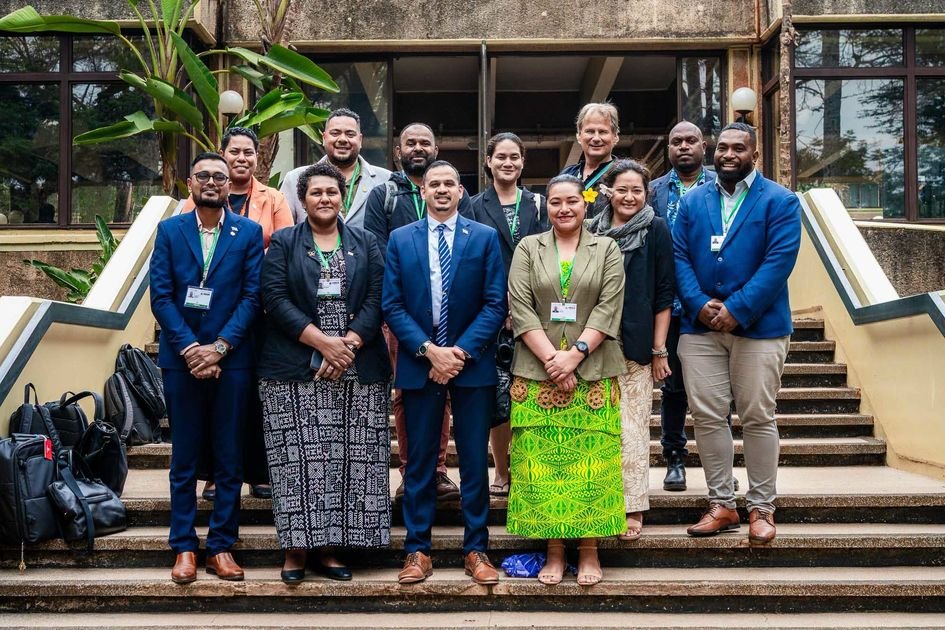
Officials from Fiji, the Republic of the Marshall Islands, Tuvalu, Tonga and Vanuatu are in Nairobi, Kenya, for two international meetings focused on global biodiversity commitments.
The 28th meeting of the Subsidiary Body on Scientific, Technical and Technological Advice concluded last week, while the seventh meeting of the Subsidiary Body on Implementation is now underway.
The global review is assessing progress under the framework, with current findings showing increased international engagement but insufficient national action to meet its 2030 goals.
Pacific representatives accepted the broader findings but warned fewer small island developing states had submitted national reports in time, leaving regional conservation work at risk of being undercounted.
Fiji Permanent Secretary for Environment and Climate Change Dr Sivendra Michael, who is leading Fiji’s delegation to the Nairobi meetings, said reporting gaps should not be mistaken for a lack of action or commitment.
“We accept the central finding: the world is not on track, and no target yet shows a fully positive picture,” Dr Michael said.
“But an honest review must also be honest about who is missing from its evidence.
“Much of what we do is invisible to global datasets — the conservation actions our communities deliver every day, through customary tenure and hundreds of locally managed marine areas, is real, but unmeasured.”
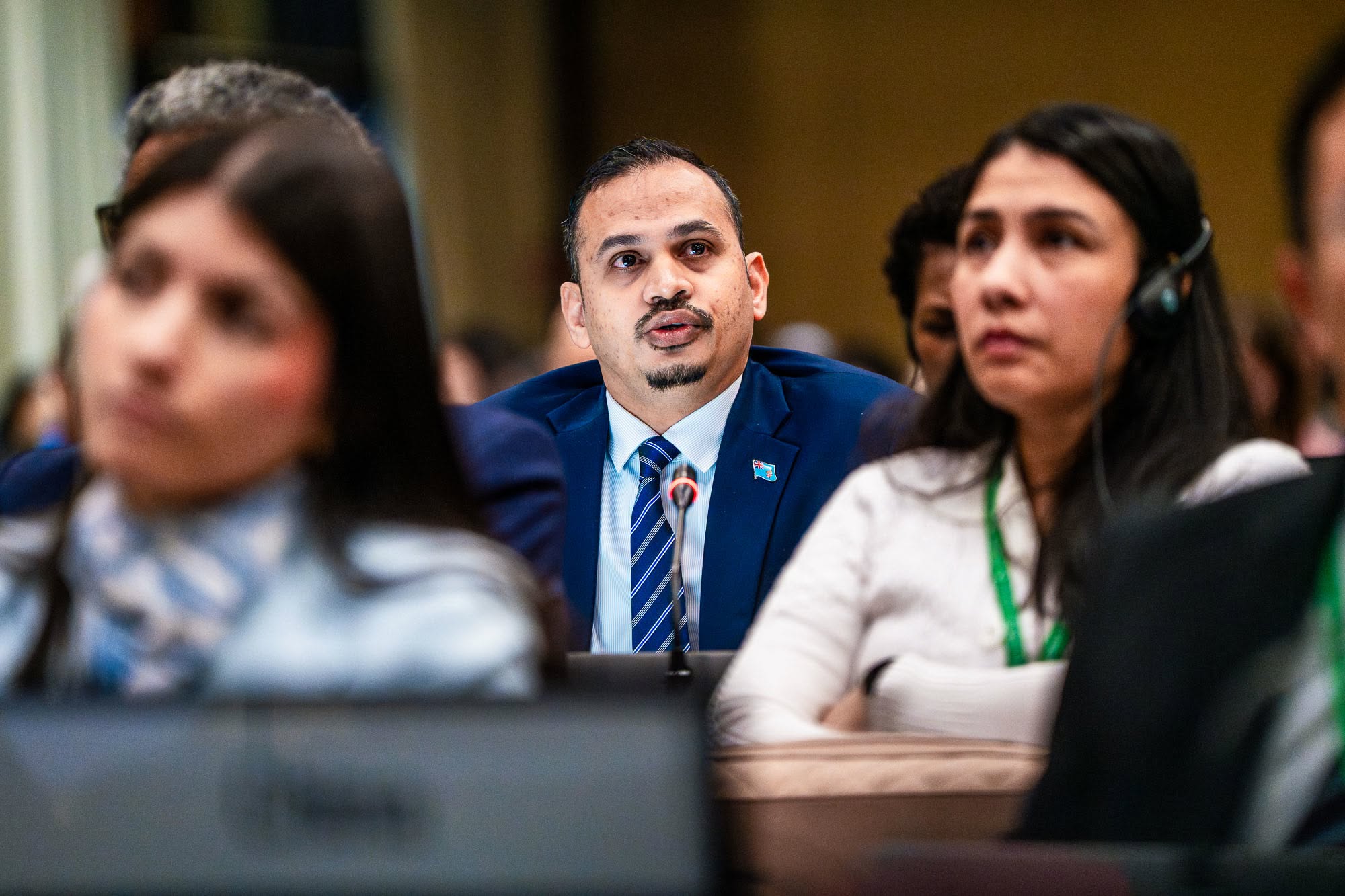
The Pacific Small Island Developing States (PSIDS) group wants the reporting gap recognised as a problem with support and monitoring methods rather than a lack of commitment.
Global systems may not adequately capture conservation delivered through customary tenure, locally managed marine areas and community participation, particularly when small administrations have limited capacity to collect and submit data.
Pacific officials also raised concerns about late changes to key documents and their impact on small national delegations.
Some island countries may have only one official available to analyse revised reports and prepare responses during international meetings. Timely access to documents and translations is considered necessary to allow smaller delegations to participate meaningfully in technical negotiations.
The scientific and technical meeting examined issues linked to implementing the global framework.
The ongoing implementation meeting is considering how countries are delivering their commitments and how implementation can be strengthened.
Pacific delegates have also highlighted the connection between biodiversity loss, climate change and the survival of island communities.
Dr Michael said the scientific evidence showed biodiversity, climate and carbon could not be treated as separate issues in Pacific countries.
“The best available science is unambiguous,” he said.
“Coral reefs decline by 70 to 90 per cent at 1.5 degrees of warming, and by more than 99 per cent at 2 degrees; the fourth global coral bleaching event has now struck 84 per cent of the world’s reefs.
“Biodiversity, climate and carbon are one system in our islands, from ridge to reef, and the science of this Convention must treat them as one.”
A regional assessment across Fiji, Papua New Guinea, Solomon Islands and Vanuatu found mangroves and seagrass held carbon stocks comparable to global averages.
Clearing mangroves for infrastructure or damage caused by cyclones can release stored carbon back into the atmosphere.
Damage to reefs, fisheries, mangroves and coastal areas can also affect food security, livelihoods, culture and economic development across the region.
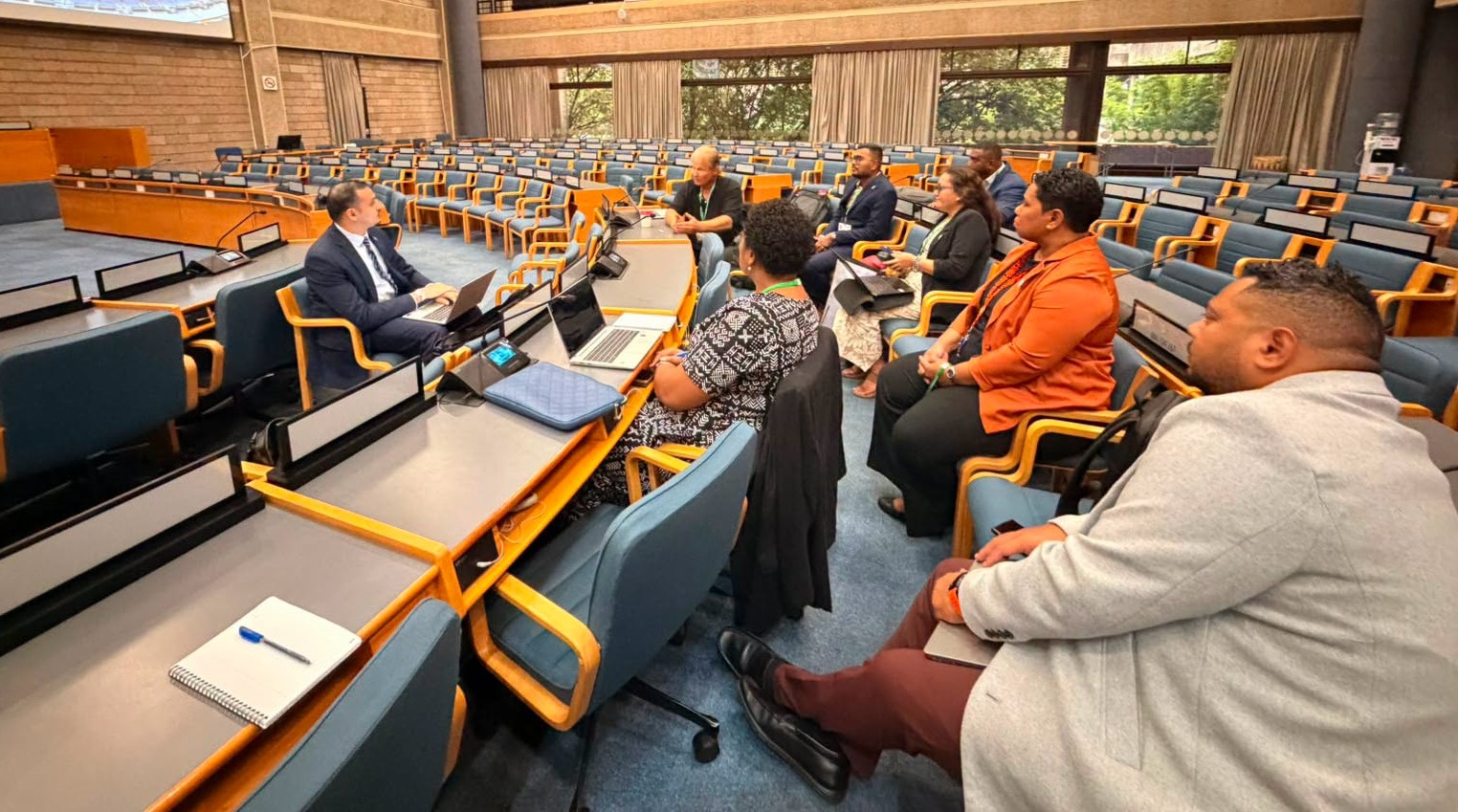
Pacific countries are calling for greater access to capacity building and finance to support implementation of the biodiversity framework.
The PSIDS group renewed its call for a dedicated biodiversity fund under the direct authority of the Conference of the Parties.
It wants predictable, grant-based funding available through simpler processes that small administrations can access without increasing national debt.
Pacific representatives called for international systems to recognise and support work already underway across the region.
Dr Michael said the region had brought practical solutions to the Nairobi meetings.
“The Pacific did not come to Nairobi to renegotiate our ambition,” he said.
“We came to implement it, and to bring proven, community-led solutions to share on the road to Yerevan.”
“We ask this body to match our ambition with the science, the finance, and the process that will let us deliver it.”
The findings from both Nairobi meetings are expected to inform recommendations ahead of CBD COP17.
The Pacific delegation is supported by the Secretariat of the Pacific Regional Environment Programme and the Pacific Islands Climate Action Network.