Iran on Thursday rejected a ceasefire proposal from President Donald Trump that was carried to Tehran by the Iraqi prime minister, according to Iranian and Iraqi officials. The failed mediation effort came as Trump was threatening to escalate the war and target Iran’s critical infrastructure.
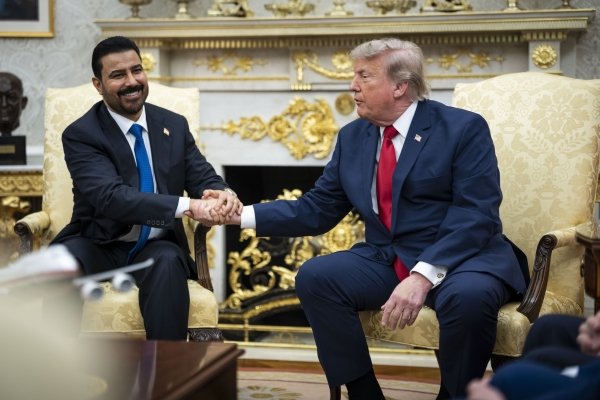
The officials, who asked not to be identified because they were discussing sensitive national security issues, said Prime Minister Ali al-Zaidi’s trip to Iran followed his recent visit with Trump at the White House.
The details of the ceasefire proposal were not immediately clear. But Iranian officials said that it was the only offer on the table, and that their government was not interested in a temporary deal that left the question of control over the Strait of Hormuz unresolved.
Al-Zaidi traveled to Tehran with a delegation of senior Iraqi officials and met with President Masoud Pezeshkian; Iran’s top negotiator, Brig. Gen. Mohammad Bagher Qalibaf; and its foreign minister, Abbas Araghchi, according to local media reports.
Araghchi told state television that Iran and Iraq, which share a border, had mutual economic, political, and security interests and close ties and that the visit was significant given the current circumstances in the region.
Araghchi said al-Zaidi had shared his “views and impressions” from his trip to Washington, but that Tehran and Washington already had enough mediators. “The problem is not passing messages,” he said. “The problem is America’s outlook, which is illogical, greedy and controlling.”
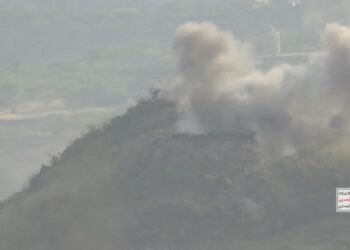
Iran and the United States have steadily escalated tensions over the past few weeks, with U.S. forces bombing military bases, as well as infrastructure like railroads, airports, bridges, and seaports. Iran has launched strikes with ballistic missiles and drones on U.S. military targets in the Middle East.
Two Iranian officials said that the country’s armed forces were anticipating — and preparing for — the possibility of the war expanding if Trump carries through with his threats to strike the capital of Tehran and critical infrastructure. If he does, the officials said, Iran will expand the fight regionally, including by striking Tel Aviv, Israel, and asking its allies to close Bab el-Mandeb, a strategic waterway in the Red Sea.
On Thursday in Tehran’s Azadi Square, where supporters of the government stage nightly prowar rallies, a military vehicle paraded Iranian-made ballistic missiles pointing at the sky.
This article originally appeared in The New York Times.