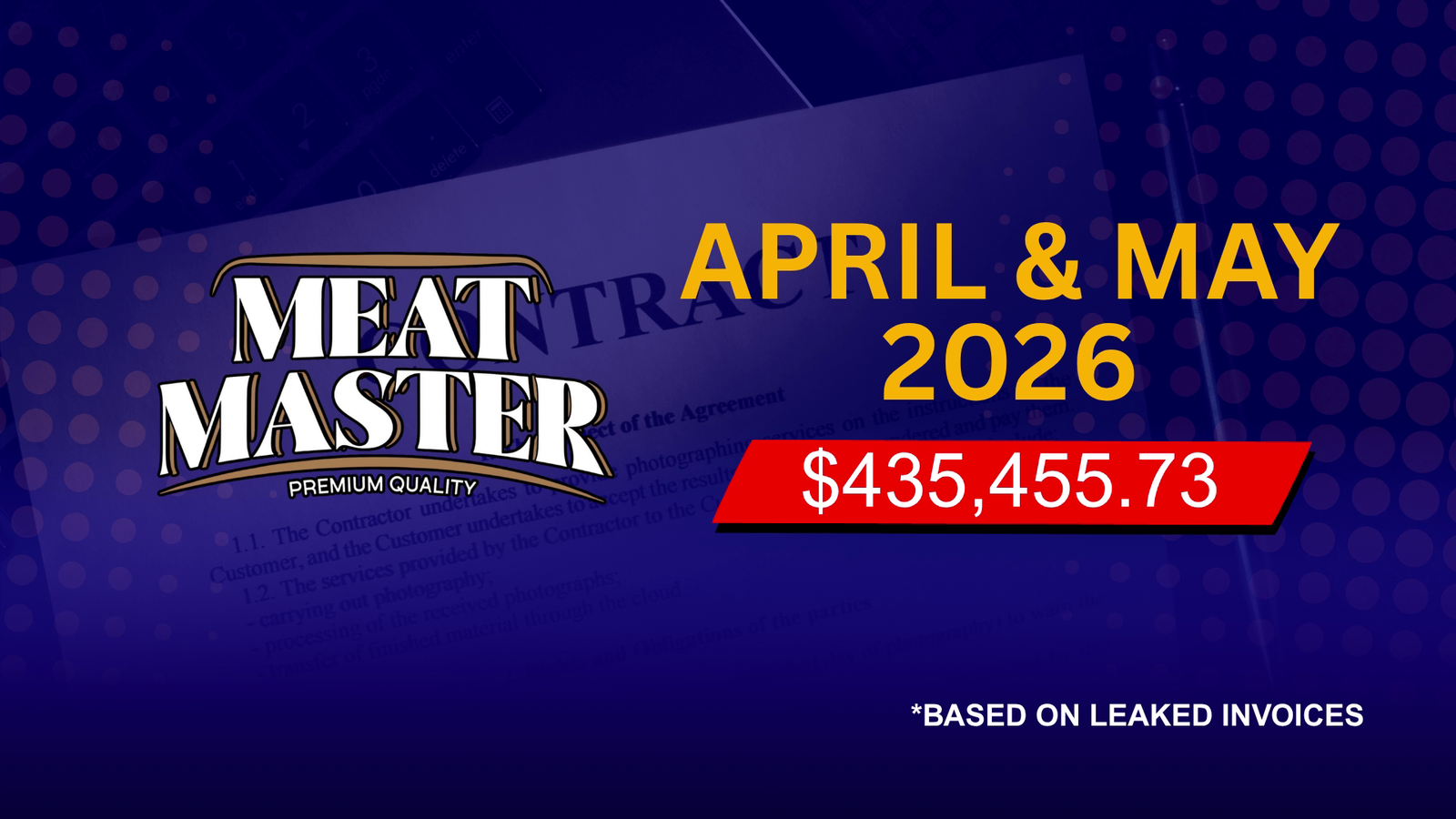
When a government invoice lands just below ten thousand dollars, it may not raise eyebrows on its own. But when hundreds of them follow the same pattern, questions begin to mount. News Five has reviewed and investigated scores of invoices that appear to stay under the threshold that would trigger greater oversight. Critics say it points to a deliberate attempt to avoid scrutiny, while others argue it may simply be a faster way to get government business done. Cabinet Minister Kareem Musa says he believes the practice is not limited to one ministry, but happens across government.
Paul Lopez
“Do you think these below ten thousand dollar payments is a matter of efficiency or intentional to avoid further oversight?”
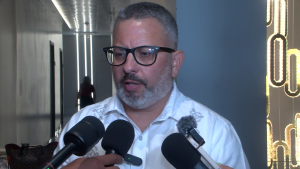
Kareem Musa
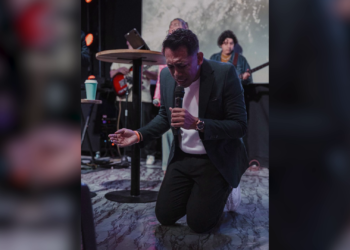
Kareem Musa, Cabinet Minister
“It could be both. As you know, anything over fifty thousand has to go to the contractor general. And so you have to question. You have that right to question. In terms of contracts and in terms of payments it has to be under ten thousand. And so, it could have been that and that is what the Auditor General’s report will determine for all of us.”
Reporter
“When you were at Home Affairs was the sub-ten K practice being used and under what circumstances?”
Kareem Musa
“I think it happens in every single ministry, but I certainly don’t think it was on any large scale. It would be for individual cases. But that is something you would have to ask the minister of home affairs.”
 Musa Denies Steering Suppliers to Bill Below Oversight Threshold
Cabinet Minister Kareem Musa also faced questions about his own time at the Ministry of Home Affairs. Reporters asked whether that ministry had its own list of preferred suppliers, especially at a time when government procurement practices are under heavy scrutiny. Musa acknowledged that Tropicana was among the businesses used to supply boots, saying the company provided the quality and brand that officers specifically wanted. But the bigger question was whether, under his watch, suppliers were ever asked to split or prepare invoices below ten thousand dollars to speed up payment.
Kareem Musa
Kareem Musa, Former Minister of Home Affairs
“While I was the Minister of Home Affairs we had, I think two or three different suppliers. If you recall we were also the Ministry of New Growth Industries and on one occasion the ministry made a policy decision that we were going to purchase boots locally made. That company was Umbra Land and they did provide us with boots locally. They were a little cheaper than the imported boots but we had to make a decision based on the officer’s satisfaction. So after that we went back to the supplier. As I said they were two or three different suppliers.”
Reporter
“Were one of those suppliers Tropicana?”
Kareem Musa
“I believe so, and I think the boots, if I recall, I am not at the ministry anymore, but I think the name of the brand was Garmon because that was the one the police officers preferred.”
Reporter
“What was the nature of the arrangement, did they go through the normal procurement process, offer the wining bid and received a supply contract from the ministry?”
Kareem Musa
“I do not get involved in procurement. That would have to be left to the ministry, the CEO and the procurement unit at the ministry. So, I don’t know what, I am sure at some point they would have to have a bid and different estimates provided from different companies. But I cannot tell you who all applied?”
Reporter
“Have you ever urged suppliers to your ministries who can’t get paid, to make out their invoices for less than ten thousand?”
Kareem Musa
“No, absolutely not, no.”
Musa denies ever encouraging suppliers of the Ministry of Home Affairs to make out invoices for payments below ten thousand dollars to expedite the process.
Attention readers: This online newscast is a direct transcript of our evening television broadcast. When speakers use Kriol, we have carefully rendered their words using a standard spelling system.
Watch the full newscast here: