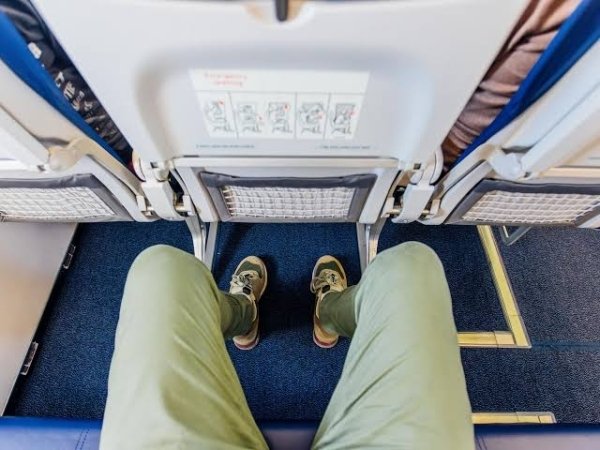
With the summer travel season underway, the Ministry of Health (MOH) has urged people to take measures to avoid venous thrombosis, especially if their flight is longer than four hours.
What is venous thrombosis? It is the formation of a blood clot in the deep veins, such as those in the legs or lungs. The likelihood of developing venous thrombosis increases on long flights (four hours or more).
Those at risk include individuals traveling on long flights (four hours or more), those with a previous history of venous thrombosis, pregnant women, women post-childbirth, individuals with a genetic predisposition to clotting, those of advanced age, and people with obesity.
The preventive measures are to move around every hour, drink plenty of water and fluids, wear loose, comfortable clothing, and consult a doctor if needed.
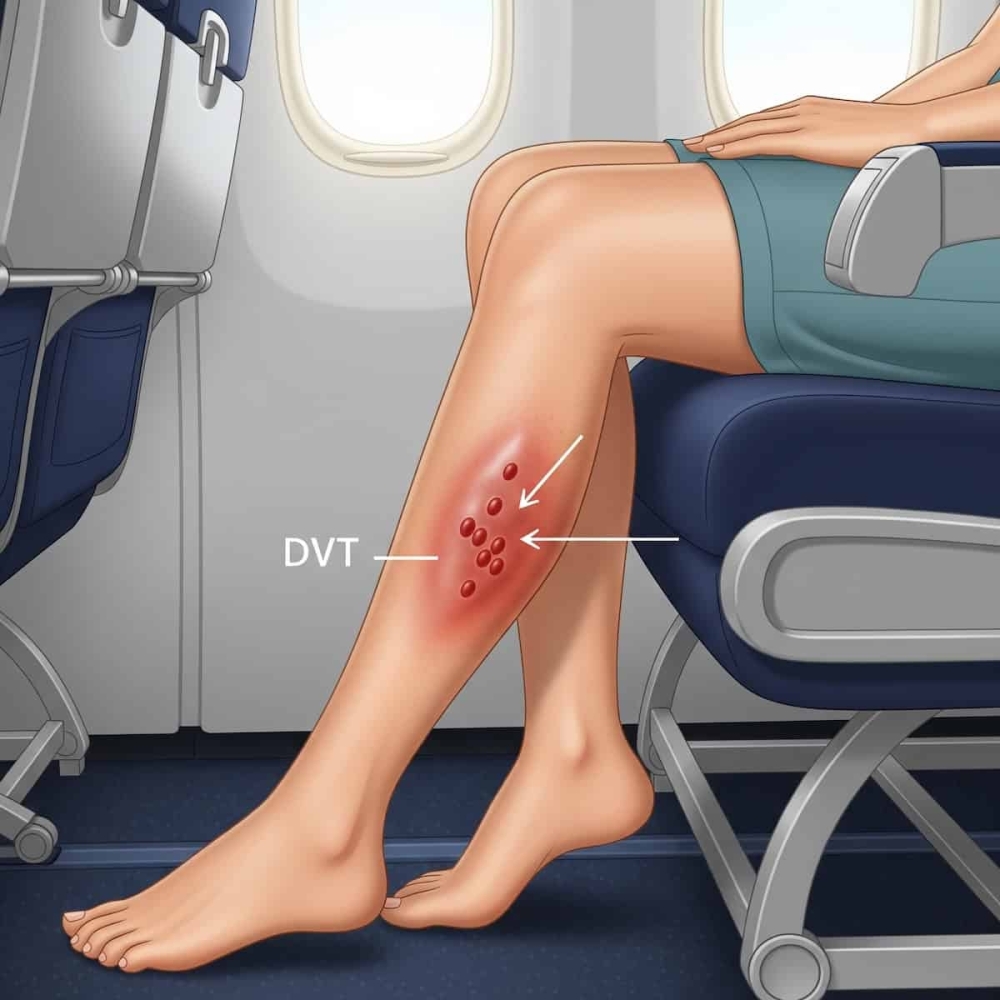
Deep vein thrombosis (DVT) occurs when a blood clot (thrombus) forms in one or more of the deep veins in the body, usually in the legs. Deep vein thrombosis can cause leg pain or swelling, though sometimes there are no noticeable symptoms.
You can get DVT if you have certain medical conditions that affect how your blood clots. A blood clot in the legs can also develop if you do not move for a long time. For example, you might not move a lot when traveling a long distance or when you are on bed rest due to surgery, an illness, or an accident.