Senior Reporter
Statutory reports from the Strategic Services Agency show the State intercepted over two million calls and data between 2018 and 2023, but none of the reports reviewed or public statements recorded a conviction arising from criminal proceedings in which intercepted communications were used.
On Friday, attorneys representing Rajaee Ali and Earl Richards, who are being held under Preventive Detention Orders at Teteron Barracks, wrote to Homeland Security Minister Roger Alexander on July 8, challenging him to justify their continued detention.
Their legal team—led by Criston Williams— argued that the failure to lay annual reports required under the Interception of Communications Act and Strategic Services Agency Act prevented proper scrutiny of the intelligence framework being relied upon by the State.
The lawyers said intelligence gathering and covert powers appeared to have formed a central part of the justification for the State of Emergency and the men’s continued detention. They asked Alexander to say whether the missing reports were prepared, explain why they were not laid and reconsider whether the PDOs remained necessary and proportionate.
The figures from the reports also add to questions raised by Guardian Media last week after information obtained via a Freedom of Information Act request from the Judiciary showed judges approved 314 interception warrants between 2020 and May 2026. The Judiciary provided the number of approvals and refusals but did not say how many investigations reached court or produced convictions.
The Interception of Communications Act 2018 Annual Report recorded 798,884 speech and data interceptions, according to figures previously reported by Guardian Media. The Interception of Communications Act 2019 Annual Report recorded another 437,746 interceptions.
The Interception of Communications Act 2020 Annual Report recorded 258,237 interceptions—220,735 involving speech and 37,502 involving data. It covered 36 targets and listed warrants linked to investigations into murder, kidnapping, firearms offences and drug trafficking.
That 2020 report recorded no arrests arising from identities discovered through interception, no criminal proceedings in which intercepted communications were used as evidence and no convictions. The Interception of Communications Act 2021 Annual Report recorded 316,374 interceptions—270,674 involving speech and 45,700 involving data. It recorded no criminal proceedings in which intercepted communications were used as evidence and no convictions.
The Interception of Communications Act 2023 Annual Report recorded another 192,748 interceptions—162,468 involving speech and 30,280 involving data. It covered 18 targets and reported 16 arrests resulting from interceptions. It also recorded five criminal proceedings in which intercepted communications were used as evidence, but no convictions.
The 2018, 2019, 2020 and 2021 reports were laid in the Senate on May 17, 2022, and in the House of Representatives on May 23, 2022. The 2023 report was laid in the Senate on June 23, 2025, but did not reach the House until September 12, 2025. Reports for 2022, 2024 and 2025 could not be found in Parliament’s public online archive. The Act requires annual reporting to Parliament. The reporting gaps are now being raised in the State of Emergency.
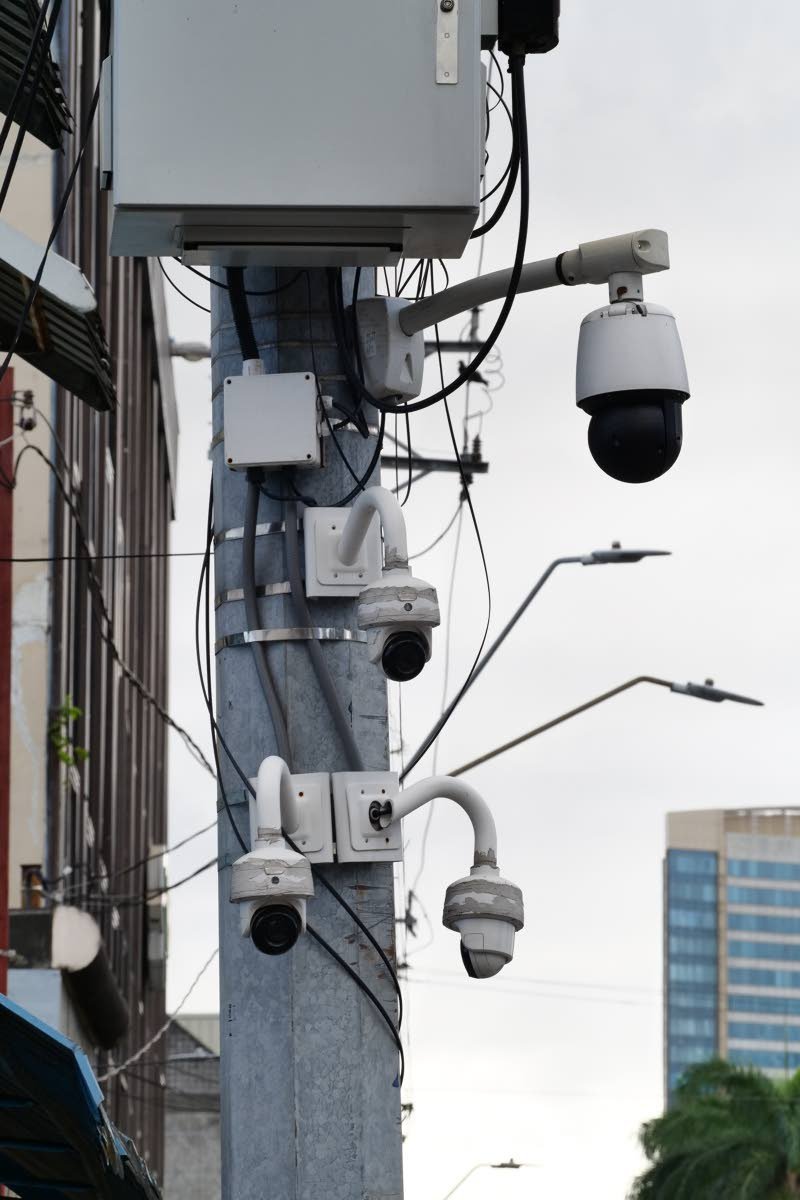
Meanwhile, a separate report by Global spyware consultancy company— Recorded Future’s Insikt Group— has also placed Trinidad and Tobago among countries linked to heavy use of commercial spyware, especially between 2025 to 2026.
The June 17 report, State Digital Surveillance Risk Landscape, said investigations between 2024 and 2026 found evidence that T&T was among 16 countries that had deployed Predator or Candiru spyware. It said infrastructure identified in February 2024 indicated likely continued Predator use in this country.
The State first publicly confirmed possessing interception technology in April 2022. Then prime minister Dr Keith Rowley said former police commissioner Gary Griffith had obtained an interception system which was later transferred to the SSA, although he denied it was Pegasus. Acting police commissioner McDonald Jacob also confirmed that another type of interception software had been purchased.
The SSA later said in its 2023 annual report that it had deployed equipment to expand its interception capabilities.
However, the State has never publicly confirmed using Predator, the spyware identified in the global report.
The report did not identify the agency/s operating the spyware or any local targets. It also did not say T&T was using Pegasus either.