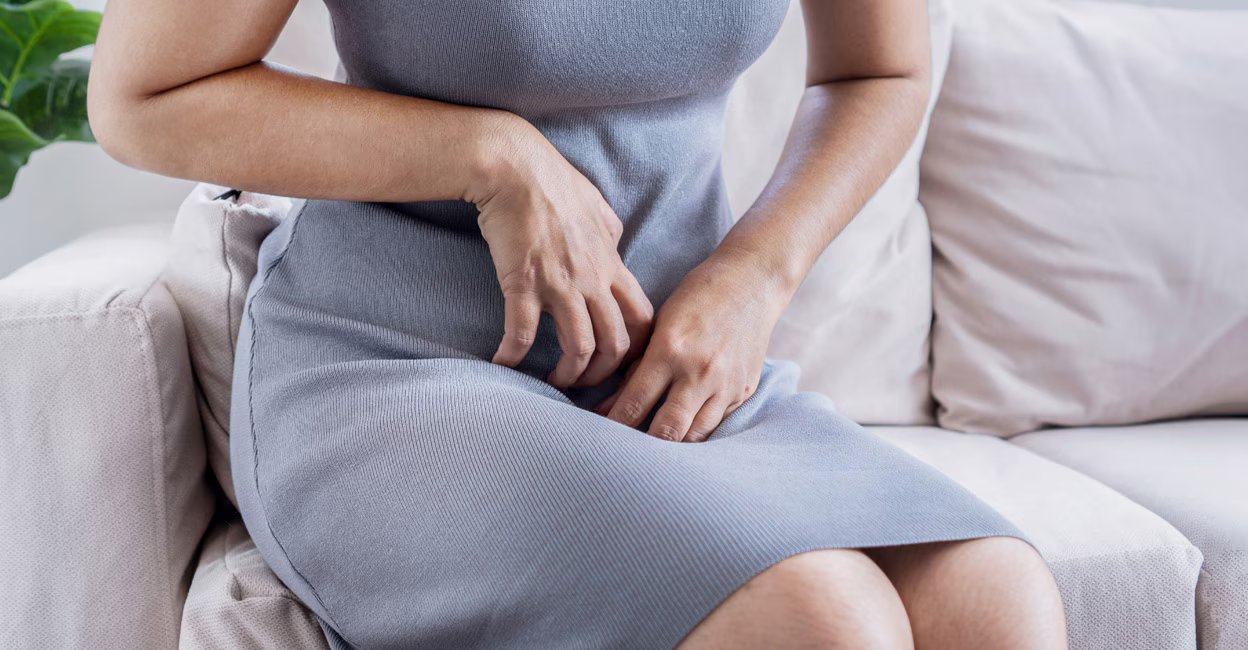
Discomfort in private parts is a problem that often affects women. This is often a sign of some health problem. Minor discomfort can be caused by sweat, clothing, minor infections, etc. But some will require medical attention. “Women around the world seek gynecological services for two reasons. Vaginal and external genitalia, such as the penis and anus’ – says the World Health Organization and the Centers for Disease Control and Prevention (CDC).

Lack of awareness of the disease, stigma and self-medication can lead to delays in proper diagnosis. Recognizing early symptoms can help avoid complications and restore optimal reproductive health.
1. Infections
This is one of the main causes of genital itching. Fungal infections (yeast infections) can cause itchy, red, white, thick discharge. Such infections caused by the overgrowth of candida fungi are called vaginal candidiasis. According to the Centers for Disease Control and Prevention, 75 percent of women will experience a yeast infection at least once in their lifetime.
Bacterial infections such as bacterial vaginosis can cause itching and foul-smelling discharge. According to the World Health Organization, bacterial vaginosis is one of the most common diseases in the world. Another major cause is sexually transmitted infections (STIs). Infections such as herpes, chlamydia, and trichomoniasis can cause discomfort, burning, sores, and abnormal discharge. Getting a proper diagnosis and treatment for genital herpes and chlamydia can help avoid complications.
2. Lack of hygiene and excessive hygiene
It is important to maintain cleanliness of private parts. But both extremes are dangerous. That means lack of hygiene and excessive hygiene. Poor hygiene can lead to bacterial growth and over-cleansing with harsh soaps, vaginal douches, etc. can disrupt the natural flora and cause itching. The vagina maintains a balance of bacteria such as lactobacilli. When this balance is disrupted, the risk of infections and disorders increases, according to the WHO Reproductive Health Guidelines.
3. Allergic reactions
Many products used on a daily basis can irritate sensitive genital skin. Some women are allergic to scented soaps, sanitary pads, tampons, lubricants, and certain fabrics. These can cause contact dermatitis and cause itching, redness, and a burning sensation. To avoid such conditions, the American College of Obstetricians and Gynecologists advises avoiding the use of scented products on the genital area.
4. Hormonal changes
Hormones play an important role in maintaining vaginal health. Low levels of estrogen during menopause, breastfeeding, or postpartum can cause vaginal enlargement and discomfort. This condition is called vaginal atrophy. This condition is common during menopause. It can also cause discomfort during daily activities and during intercourse.
5. Skin diseases
Chronic skin diseases can also affect the genital area. Eczema, psoriasis, and lichen sclerosus can cause itching and pain. If left untreated, skin changes may occur.
6. Tight clothes
Wearing tight underwear and synthetic fabrics can trap moisture and heat, leading to discomfort and infection. It is best to wear loose cotton underwear to protect skin health and reduce moisture.
When to seek medical attention
∙ If symptoms persist for more than three to five days
∙ Severe itching, pain and swelling
∙ Foul-smelling, green, yellow, or curd-like discharge
∙ Sores, blisters, sores
∙ Smoking while urinating and having sex
∙ Persistent restlessness
∙ Non-menstrual bleeding
These symptoms may indicate an infection or a condition that requires treatment. Pregnant women, diabetics etc. should seek medical help as soon as they see minor symptoms.
Do not self-medicate
Self-medication without a proper diagnosis can make the disease worse. These things will reduce the risk of discomfort and infection. Genital itching is common. But don’t ignore symptoms if they persist.
Can be prevented by these means
∙ Maintain genital hygiene
∙ Wear loose, cotton underwear.
∙ Avoid aromatic and harsh products.
∙ Keep genital areas free from moisture.
∙ Seek medical advice on time.
Identify early, maintain proper hygiene and seek the services of a gynecologist on time. All these will avoid complications and ensure better reproductive health.