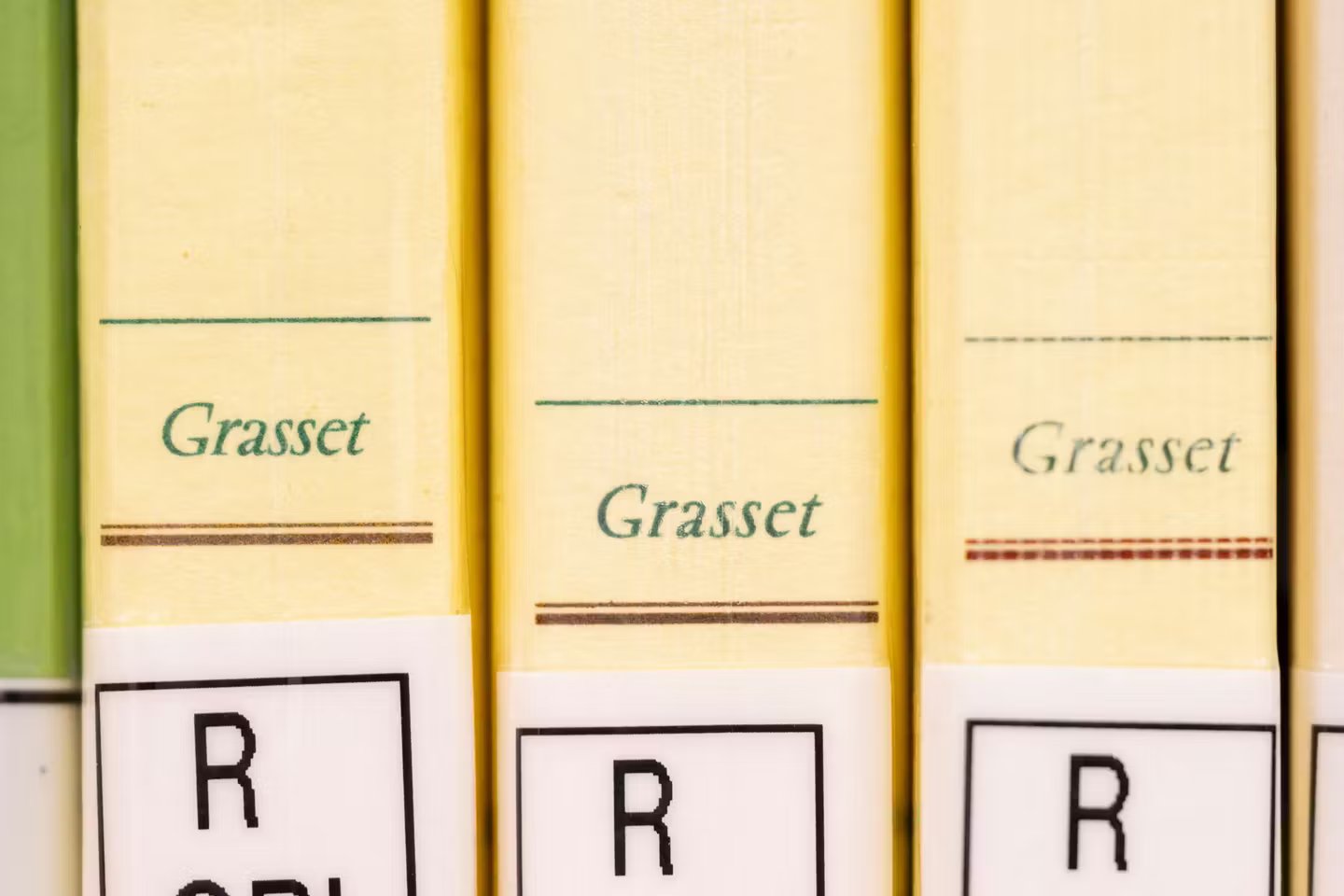
If a symbol was needed for the cultural war unfolding in France in recent years, this was it: the abrupt ousting of Grasset’s emblematic CEO by the Hachette Livre group, controlled by billionaire media mogul Vincent Bolloré, on Tuesday, April 14. The subsequent exodus of more than 30 writers, in just a few hours, from their publishing house – uniting around a forceful statement despite differing opinions and even mutual animosities – marked a watershed moment. There is no known precedent. Nothing comparable, especially in a literary world known for being slow, contemplative and discreet.
What is also unprecedented about this upheaval is the authors’ revenge. They have spoken up in a debate as political as it is aesthetic, transforming a personal, intimate decision – what should I do with my work? – into a collective act that resonates throughout public debate.
Writers, inherently unpredictable and solitary, have disrupted an uneven balance of power. Since 2023 and his acquisition of Hachette Livre, the world’s third-largest publisher, Bolloré has been able to fire and appoint whomever he pleases at the helm of Grasset, publish whoever he chooses, and even destroy the house itself. He is in control. Just as he is at Fayard, another publishing house, he is shaping it into a right-wing publisher. On the other side, without any ownership rights, not even to their past or forthcoming books, Grasset’s authors have only their reputations as a weapon, and the option to leave the house empty.
When faced with economic power, quitting can only work if one is certain that the group as a whole is hard to replace. There is only one other similar example: The revolt of hundreds of comic book authors who, by announcing their boycott of the Angoulême Festival to protest against its management, triggered the cancellation of the January 2026 edition.
‘I feel I have been robbed’
You have 68.2% of this article left to read. The rest is for subscribers only.