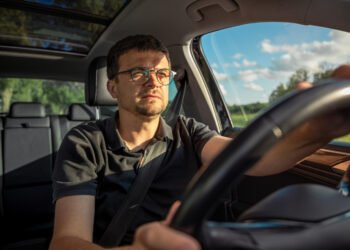
During the festive season, the risk of meeting drivers who sat behind the wheel after drinking alcohol increases every year on Latvian roads. The insurance company ERGO invites you to celebrate the solstice without alcohol, however, if intoxicating drinks are used, you should wait 24 hours before getting behind the wheel of the car and do not rely on various myths about faster recovery. Narcologist Rita Kuznetsova explains what these myths are.
Why do I feel like I can drive?
“The first change after drinking alcohol is a reduced reaction speed, which is one of the most important abilities for safe driving. At the same time, a person’s ability to critically evaluate his actions and make appropriate decisions also decreases. Often there is a feeling that everything is better than it really is, and the predetermined limits that a person would follow in a clear mind disappear,” explains narcologist Rita Kuznetsova.
Under the influence of alcohol, not only reaction speed deteriorates, but also the ability to objectively assess one’s condition. This is why people often believe that they can still drive a car well enough, when the reality is quite different.
Is it possible to calculate the elimination time of alcohol?
There is still a belief in society that after a good night’s sleep, a person is automatically ready to get behind the wheel. However, the specialist points out that the elimination of alcohol from the body is an individual process that cannot be accurately calculated by oneself.
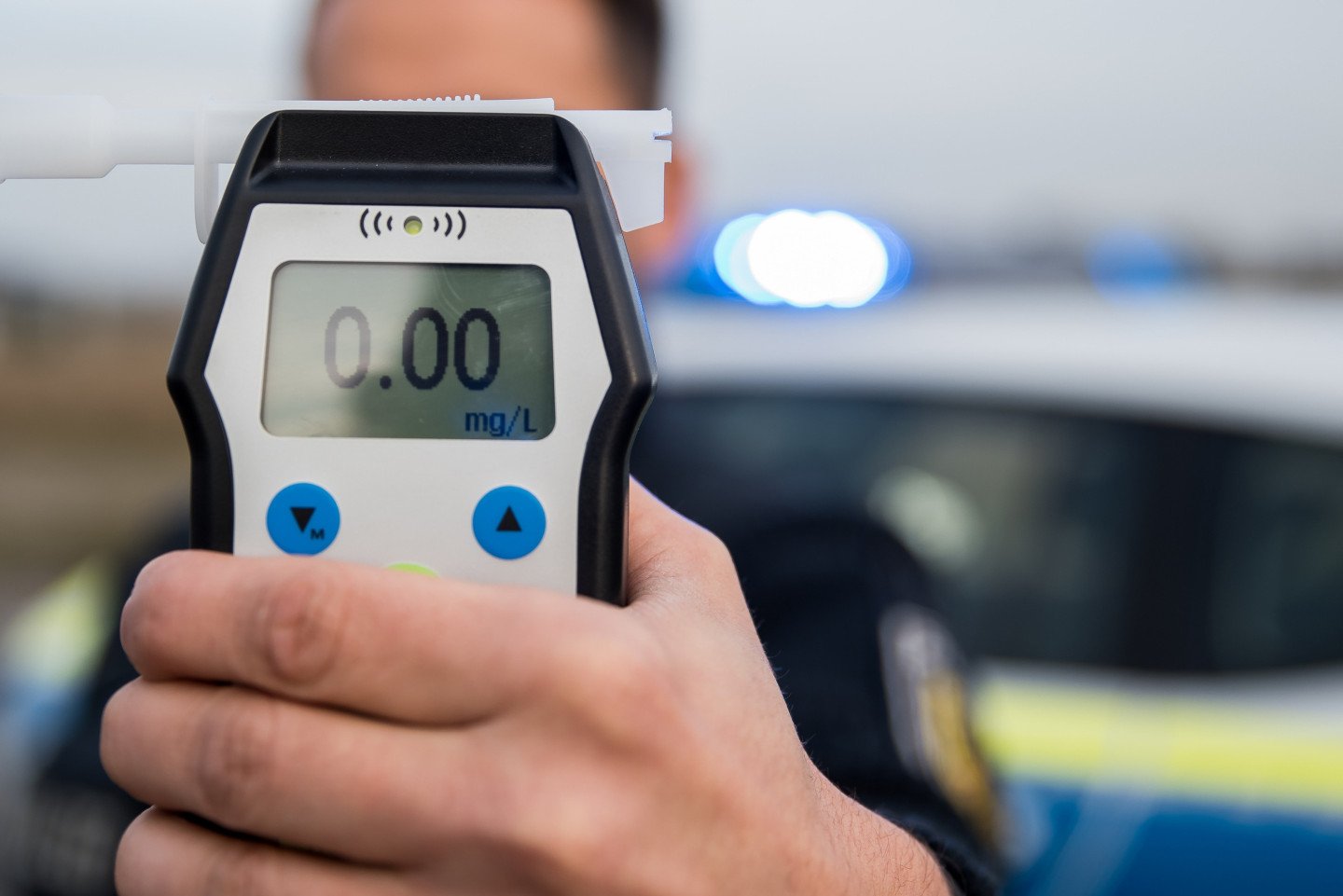
“A person himself cannot determine exactly how quickly alcohol has left the body. Although some drivers use breathalyzers for this purpose, they are also not always able to provide a completely accurate result, and the quality, calibration and correct use of the device are also essential. Science also uses the Widmark formula for determining the concentration of alcohol in the blood, where the amount of alcohol consumed, body weight, gender and other individual factors are taken into account, but this method is also not intended for daily calculations and is performed only by specialists. Therefore, the safest the principle is simple – wait at least 24 hours after drinking alcohol before getting behind the wheel,” says R. Kuznetsova.
It is the morning after the celebration that drivers most often make a mistake because they rely on their gut feeling. A person may feel fine, but blood levels may still remain in the body. Self-feeling in this case is not a reliable criterion by which to judge readiness to drive a vehicle.
Explanations of the most popular myths
As the holidays approach, various “folk tips” become especially relevant, which supposedly help to get rid of sadness faster. However, the specialist emphasizes – none of them accelerates the elimination of alcohol from the body.
1. Coffee does not remove alcohol from the body. It may create a temporary feeling of alertness, but does not improve the ability to drive safely. In addition, after drinking alcohol, coffee can increase anxiety and make you feel worse.
2. A cold shower and sleep do not make a person “clear”. They can help you feel better, but they do not reduce the concentration of alcohol in your body.
3. Taking a large amount of water does not speed up the elimination of alcohol from the body. Water helps prevent dehydration and can make you feel better, but it doesn’t make you ready to get behind the wheel any faster.
4. Sauna and intense sweating do not help to relieve pain. On the contrary, they can create an additional burden on the body and increase health risks, including blood pressure fluctuations and heart rhythm disorders.
5. Using fatty products, eating butter or drinking oil is also one of the most common myths that have no scientific basis for accelerating the elimination of alcohol.
24-hour principle for your safety and that of others
“Myths are and remain myths. They can improve the feeling of well-being, but there is no reason to believe that a person is ready to drive a car safely,” emphasizes R. Kuznetsova. “I would invite everyone to think about whether alcohol consumption is even necessary on this holiday. Maybe it’s worth trying to celebrate without it and appreciate the benefits of a clear mind and good feeling the next day as well. On the other hand, if alcohol has been consumed, the only safe solution is to wait at least 24 hours before getting behind the wheel.”
“In Latvia, there are still a relatively large number of people who allow themselves to drive a car under the influence of alcohol, thereby seriously endangering themselves and other road users, relatives, fellow passengers. Unfortunately, there are also many tragic stories in the compensation applications received by ERGO, when drunk drivers themselves, as well as their next-door passengers and drivers or passengers of other cars, are killed in accidents. For example, in the case of OCTA, a person who causes a collision with several other cars while intoxicated can receive light punishments. injuries, while car passengers die or suffer injuries of varying severity. The amount of compensation paid to the victims exceeds 85,000 euros, which is recovered from the guilty driver in accordance with the law,” says Raitis Čaklis, director of the Risk Underwriting Department of ERGO.
He emphasizes that sitting at the wheel under the influence of alcohol, including the day after consuming intoxicating drinks, when the concentration of alcohol in the blood still remains, is not permissible. “We invite you to pay attention to your loved ones, friends, relatives, neighbors and other drivers, dissuading them from driving under the influence. Especially if the driver is inexperienced and unaware of the effects of alcohol or, on the contrary, is very experienced, daring and has a tendency to disregard the rules. Let’s protect ourselves and our loved ones both on holidays and everyday!”