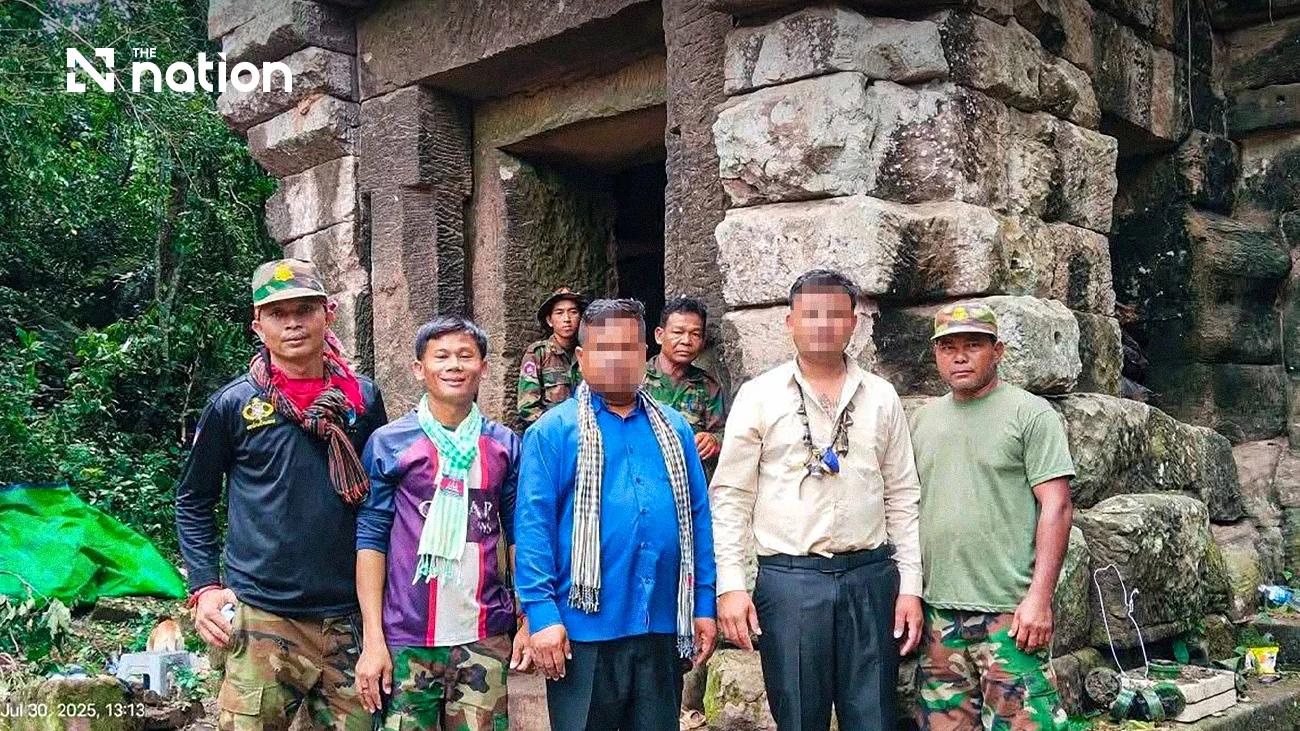
Thai media later circulated the images, alleging Cambodia was planting new mines in violation of the 1997 Mine Ban Treaty.

Conviction under national security law
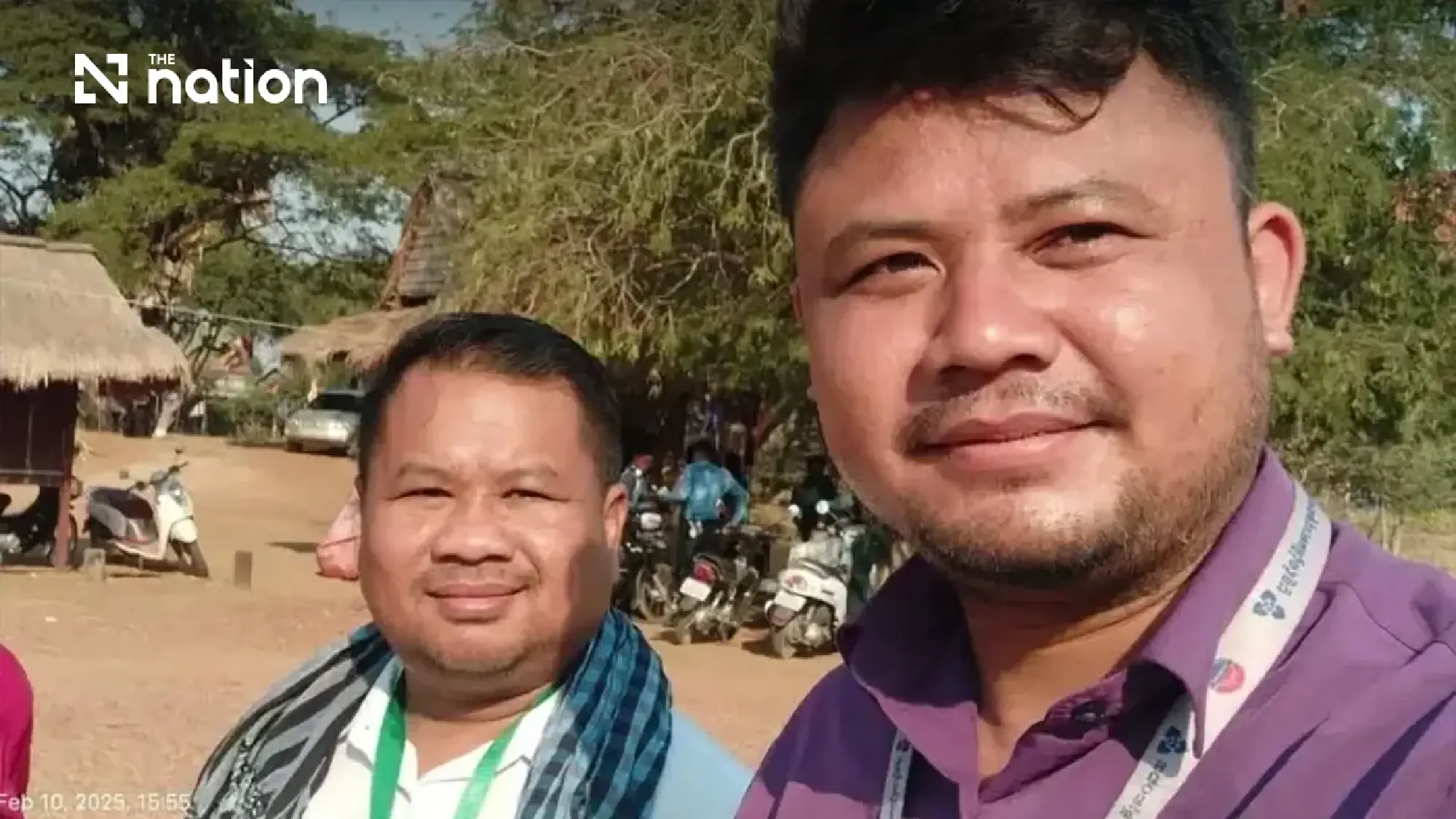
The Siem Reap Provincial Court previously convicted the journalists under Article 445 of Cambodia’s Criminal Code for “supplying a foreign state with information prejudicial to national defence”.
The prosecution argued that their reporting exposed sensitive military information and posed risks to national security.
With the Supreme Court ruling, the 14-year sentences now stand as final, with the only remaining legal avenue being a royal pardon from the King of Cambodia.
Rights groups condemn verdict
International press freedom organisations and human rights groups have strongly criticised the ruling, arguing that treason-related charges are being used to suppress routine journalism.
Cambodia has faced repeated criticism over arrests of journalists, activists and environmental campaigners, including reporters involved in investigations into corruption and online scam networks.
Earlier this year, Freedom House, a US-based rights organisation, downgraded Cambodia’s press freedom rating, citing the near-total collapse of independent media in the country.
The journalists were reportedly working near the Thai border in an area that saw clashes last year. They were later accused of publishing material that allegedly exposed military deployments and operational strategies during the period of heightened tension, linked in part to the circulation of the contested photographs from Prasat Ta Kwai.