According to him, the truce will be valid until Tehran presents its peace terms and negotiations are concluded. Iran does not want to participate in the negotiations.
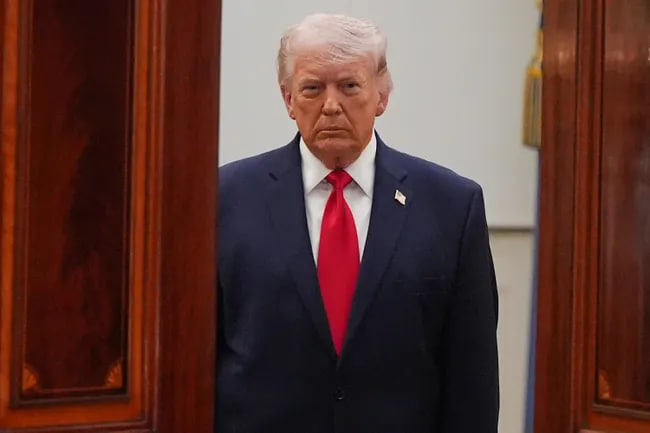
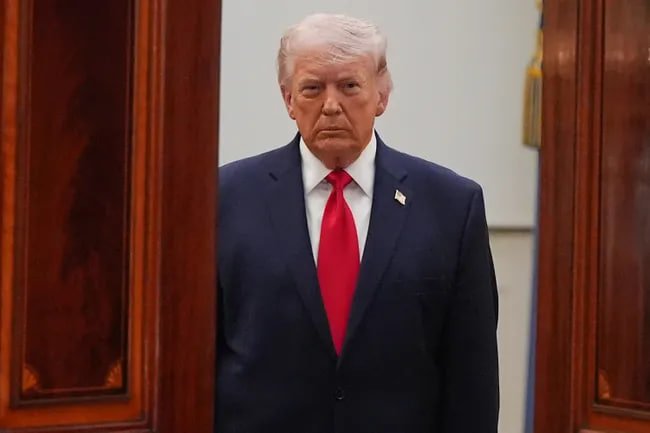
Photo: Alex Brandon/Getty Images
The US has extended the temporary truce with Iran. President Donald Trump announced this on the evening of April 21, on the eve of the end of the truce. According to him, this decision was taken at the request of the government of Pakistan, which is mediating the negotiations. Trump said he was extending the ceasefire until Iranian representatives present their proposals for a peace deal and until negotiations are concluded. Trump said he ordered the US armed forces to continue the blockade of Iranian ports and to be on “combat alert”.
Iran has refused to recognize the extension of the temporary ceasefire. Mahdi Mohammadi, an adviser to the Speaker of the Iranian Parliament, said that Trump’s extension of the truce “does not make any sense.” “The losing side cannot set conditions. A continued siege is no different than a bombardment and must be met with a military response. In addition, Trump’s extension of the ceasefire is clearly an attempt to buy time for a surprise strike. Now is the time for Iran to counterattack.”
Shortly before Trump’s announcement, Iran accused the United States of violating the terms of the temporary ceasefire. “The blockade of Iranian ports is an act of war, so it is a violation of the ceasefire regime. Attacking a merchant ship and taking its crew hostage is a more serious violation,” said Iranian Foreign Minister Abbas Araqchi on the evening of April 21. He added that Iran “knows how to protect its interests and how to resist pressure.”
The United States and Iran were set to hold talks on the eve of a two-week temporary ceasefire on the night of April 8. The first round of negotiations was held on April 11-12 in Islamabad, but the parties could not come to an agreement. They were expected to meet again in Islamabad. Trump announced on April 19 that he was sending a US delegation to the talks, while Iran said it would not sit at the negotiating table as long as the blockade of its ports by the US military continues. According to Axios, the “green light” was given to the Iranian delegation on April 20 by Supreme Leader Mujtaba Khomeini. At the same time, the Tasnim agency in Iran reported that those in Tehran flatly refused the talks scheduled for April 22.
The US began to block Iranian ports during the temporary truce. The blockade of Hormuz began on the evening of April 13, following the failure of talks in Islamabad. The American military has blocked the way of Iranian cargo tankers and other vessels entering Iranian territorial waters. According to Iranian officials, it is the naval blockade that is the reason for Tehran’s refusal to negotiate.
One of the main conditions of the temporary ceasefire was the opening of the Strait of Hormuz, which is considered an important route for the delivery of oil by sea. Tehran has refused to open the strait to most ships, but has allowed those with ties to Iran to pass through. The Strait of Hormuz was fully reopened for just one day, April 17, during the two-week ceasefire, but the next day Iran closed it again to most ships.