Beyond oil and gas: The economics of trust in the Gulf
24 Jun 2026
When people think about the Gulf’s wealth, they usually think about oil fields and gas reservoirs. But the region’s most valuable asset may be less visible: the expectation that contracts will be honored, cargoes will arrive, streets will remain safe and money will move with confidence.
That expectation is what made the Gulf more than an energy supplier. It made Doha a place where foreign engineers could live comfortably, Dubai a place where tourists could arrive without much thought, and Ras Laffan a place from which gas cargoes could be expected to leave on schedule. The Gulf sold oil and gas, but it also sold predictability.
The Nobel laureate economist Douglass North explained why that matters. Modern trade is not village trade, where everyone knows who keeps a promise and who does not. It is exchange among strangers, separated by oceans, languages, legal systems and time zones. For that exchange to work, each party must believe the others will hold up their end of the bargain.
North called the costs of making such exchange possible “transaction costs.” They include writing contracts, buying insurance, finding backup suppliers, guarding against delay and protecting against default. The more trust there is in a system, the lower these costs can become. Societies that reduce them make it easier for strangers to do business. Over time, they grow rich.
Few regions illustrate that claim better than the Gulf. Its rise has rested not only on energy reserves, but also on reliability. Buyers abroad could assume that Qatari gas or Saudi fertilizer would arrive on schedule. Companies could assume that ports would work, banks would function and expatriate staff would be safe. Reliability made the Gulf predictable and cost efficient.
Much of this was put into question in late February. The strike on the region’s oil and gas infrastructure, together with the closure of the Strait of Hormuz, increased the immediate costs of doing business in the Gulf. War risk insurance premiums jumped. Cargoes were delayed. Emergency shipments and insurance surcharges added friction to trade. Force majeure declarations and uncertainty about future deliveries made the Gulf’s insulation from regional turmoil look less certain.
Still, the region’s economic model has not collapsed. Trust is graded on a curve. The Gulf is being judged not against a stable world, but against one riddled with trade wars, tariffs, shipping shocks and geopolitical risk. In relative terms, the region may have lost less standing than the headlines suggest.
The Gulf also has a cost cushion, especially in energy exports. Onshore Middle East crude has a breakeven cost of about $27 a barrel, compared with roughly $45 to $60 for North American shale. Even after higher insurance and freight costs, Gulf hydrocarbons remain competitive.
But North’s work points to the real danger. The question is not whether Gulf energy will remain cheap to produce. It is whether Gulf trade will remain cheap to trust.
That is why the Strait of Hormuz matters so much. If every future contract must price in the possibility that Hormuz could close, the region’s reliability discount becomes a risk premium. Buyers will still buy Gulf energy, but they will demand insurance, backup routes, alternative suppliers and stronger legal protections. The Gulf would become more expensive to trust.
The region’s task is therefore twofold: restore confidence that Hormuz will remain open, and build enough alternative routes, storage, redundancy and political credibility that no single waterway can hold its economy hostage.
Qatar’s record shows why this is possible. Through the recent conflict, its economy and store shelves have remained stable. Crisis management has become an asset of its own, an institution in North’s sense.
That is the test the Gulf now faces: whether it can turn crisis management into lasting credibility before temporary disruption becomes a permanent risk premium. The oil and gas will remain. The harder task is protecting the trust that made the Gulf much more than an energy supplier.
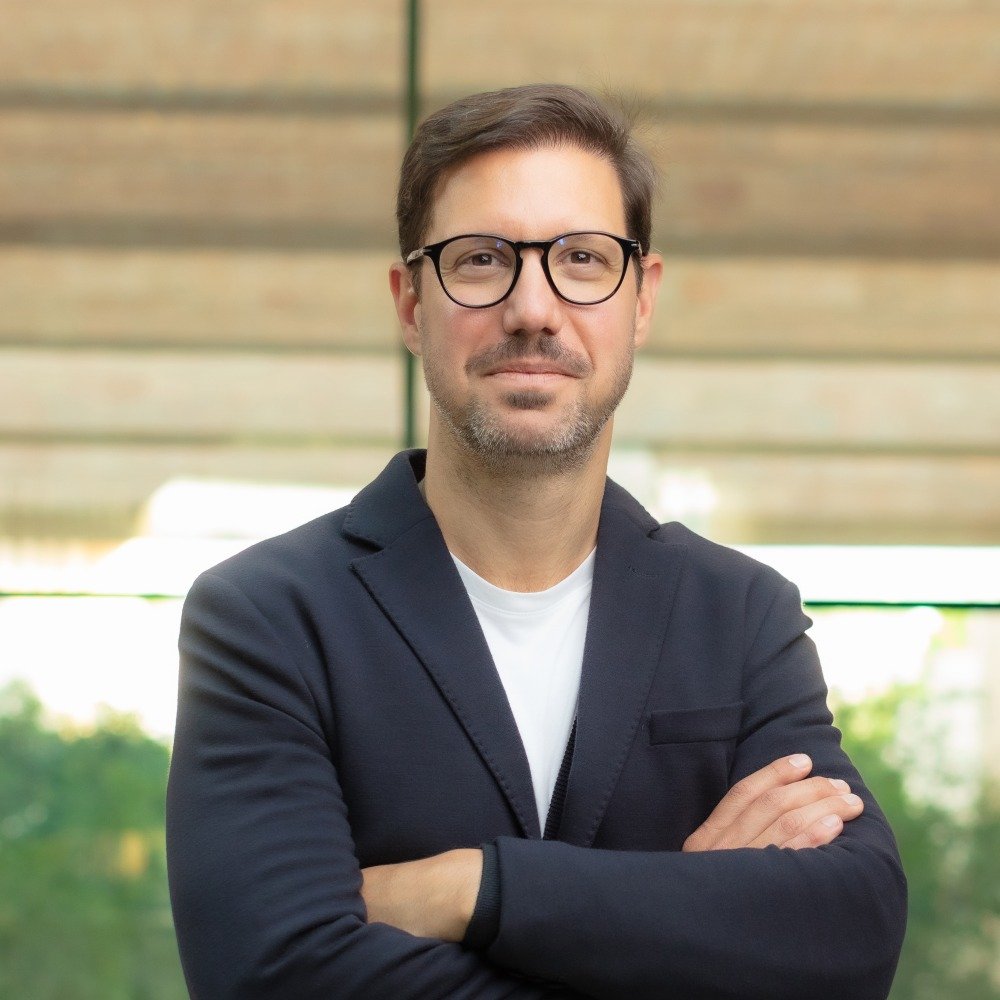
Professor Agustín Indaco joined the Carnegie Mellon University in Qatar faculty in 2019, and today serves as associate teaching professor of economics, as well as the associate area head for the Business Administration degree program. His research focuses on various topics within applied microeconomics, including how individuals respond and adapt to the challenges posed by climate change, as well as human behavior in competitive environments. Carnegie Mellon University in Qatar is a Qatar Foundation partner university.