Anhui’s AI, battery, energy champions offer glimpse at Beijing’s response to US restrictions
Korea Herald correspondent
HEFEI, China — Far from slowing China’s technological rise, US sanctions and export controls have accelerated Beijing’s drive for self-reliance, pushing Chinese companies to build domestic alternatives across industries.
Landlocked Anhui province, west of Shanghai, has emerged as one of the clearest examples of that effort. Home to a growing cluster of artificial intelligence, electric vehicle, battery and renewable energy companies, the province has transformed itself into one of China’s most dynamic technology hubs through an unconventional government-led investment strategy known as the “Hefei Model.”
Under the model, Hefei, Anhui province’s capital, uses government-backed funds to invest directly in promising technology firms, effectively acting as a venture capital investor rather than solely using tax breaks and subsidies. The strategy has helped nurture national champions and build integrated industrial ecosystems, making the city a showcase for China’s push to reduce dependence on US technology.
From June 9-13, The Korea Herald visited Hefei and Nanjing upon the invitation of the Embassy of the People’s Republic of China in Korea to witness Anhui province’s advanced industries firsthand.
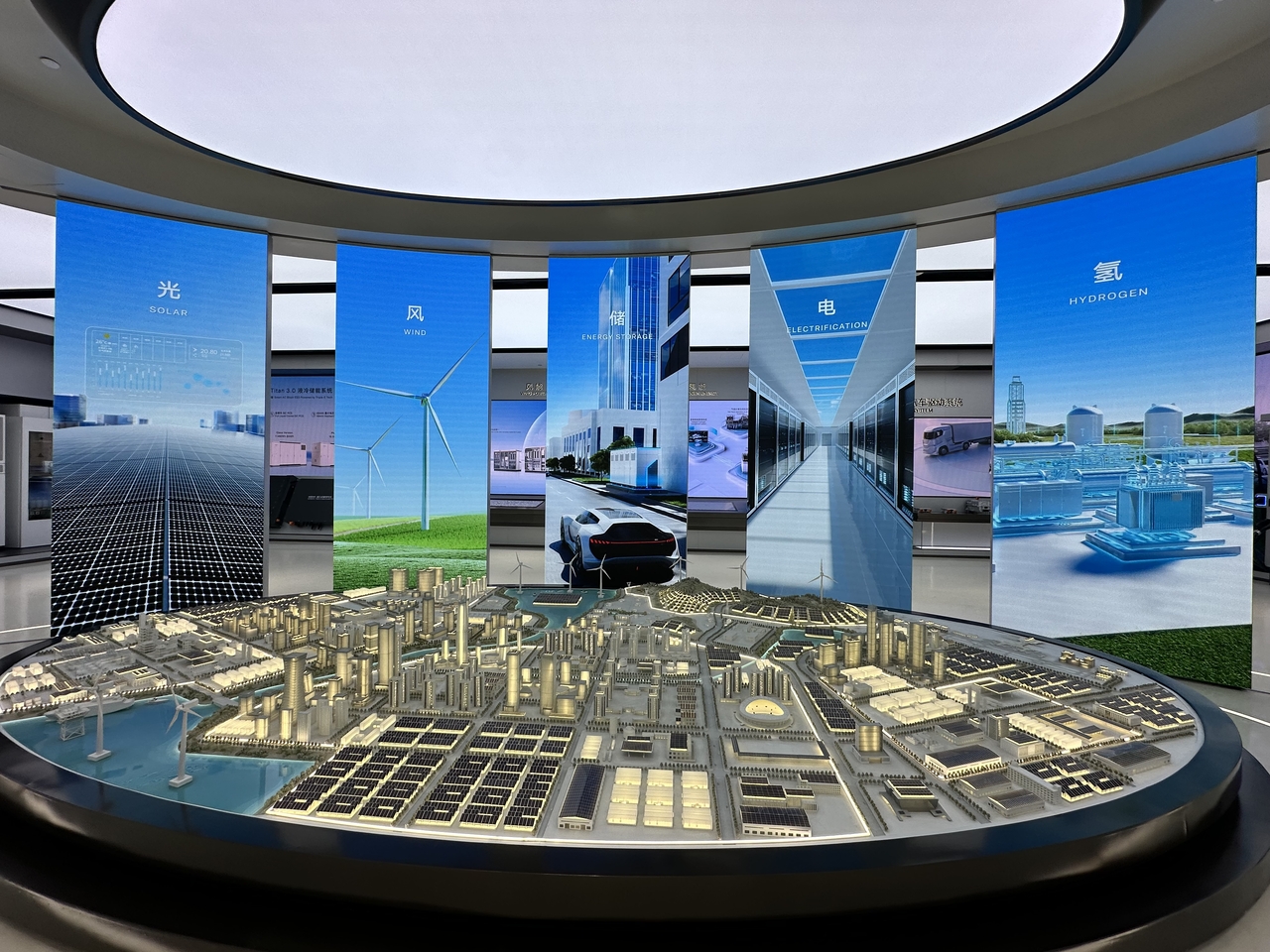
According to an official from the Anhui Provincial People’s Government, Hefei has prioritized three strategic industries: energy, batteries and solar power, and energy storage systems. This move aligns with China’s 15th Five-Year Plan that reiterates securing technological self-sufficiency against US deterrence.
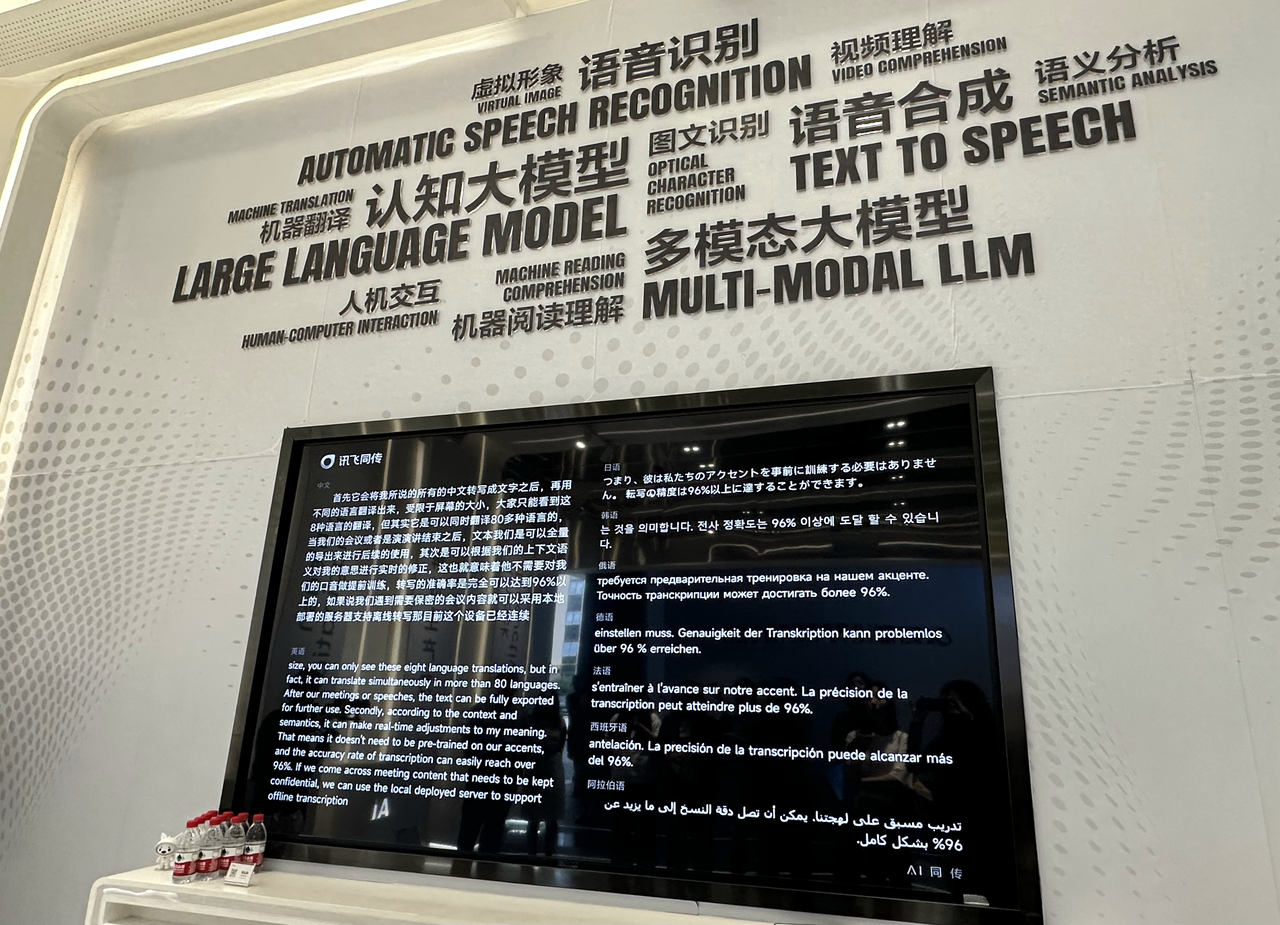
IFlytek, an AI solution provider established in 1999, is spearheading one of China’s most ambitious technology initiatives, working with Huawei to build a large-scale domestic AI ecosystem.
Powered by Huawei’s Ascend chips, iFlytek’s “Spark” model was trained on China’s first domestically built 10,000-card computing cluster and has surpassed OpenAI’s GPT-4 Turbo on seven key Chinese-language benchmarks.
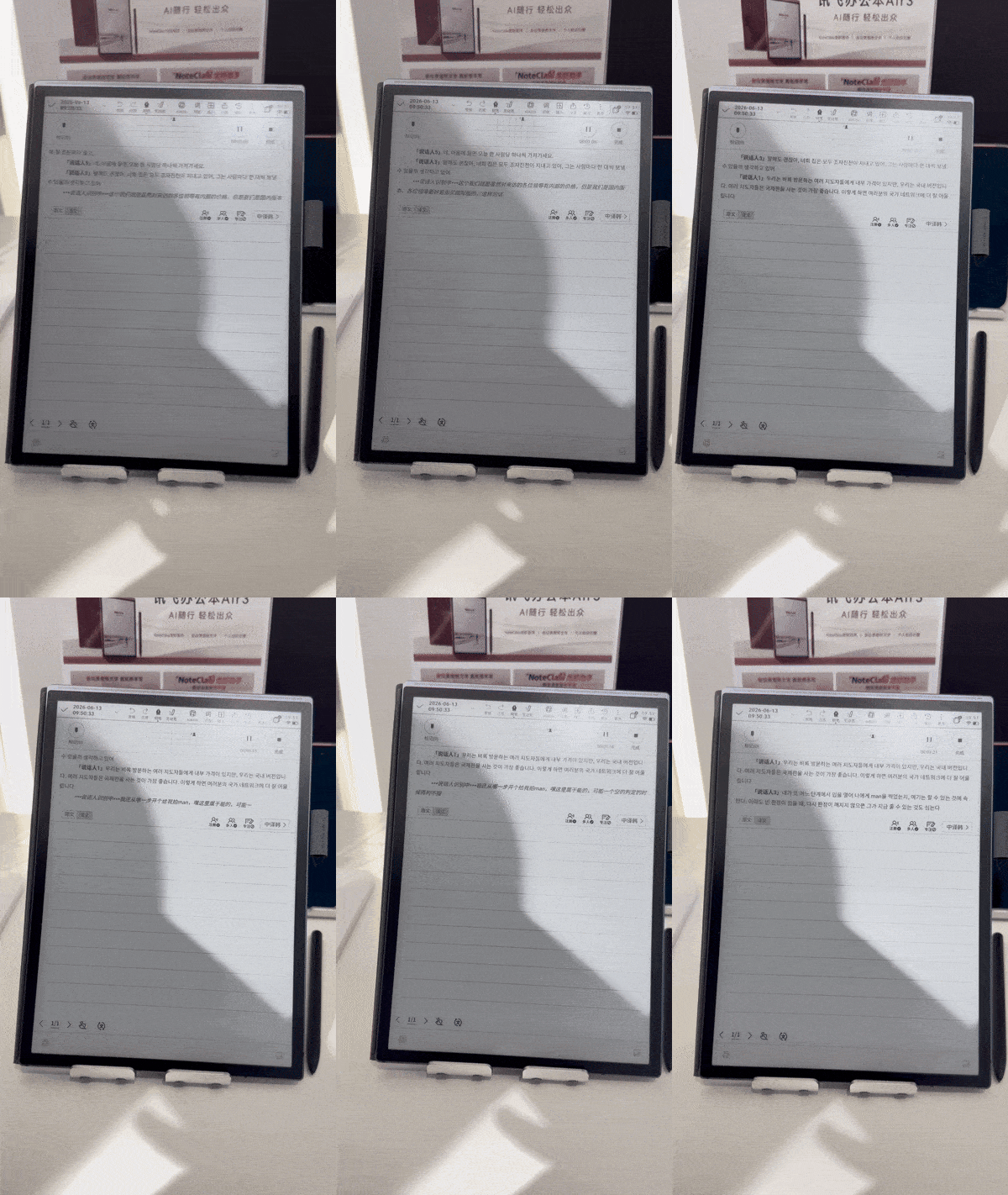
In a demonstration, the company official showcased its E-Ink AI note tablet that features real-time voice-to-text recording, supporting 15 languages for transcription, 10 languages for translation and 83 languages for converting handwriting to text.
Qing Tian, general manager of the AI translation division at iFlytek, said the company’s language model is “a world-class Chinese-to-English translation system.” The company also plans to expand research into low-resource languages, where training data is limited, to improve translation quality.
Other eye-catching consumer and workplace devices included a transparent-screen interpreter; AI translation glasses; a smart blackboard that can recognize teachers’ handwriting, convert it into digital content and generate mathematical graphs; and the Alpha Egg Go Robot.
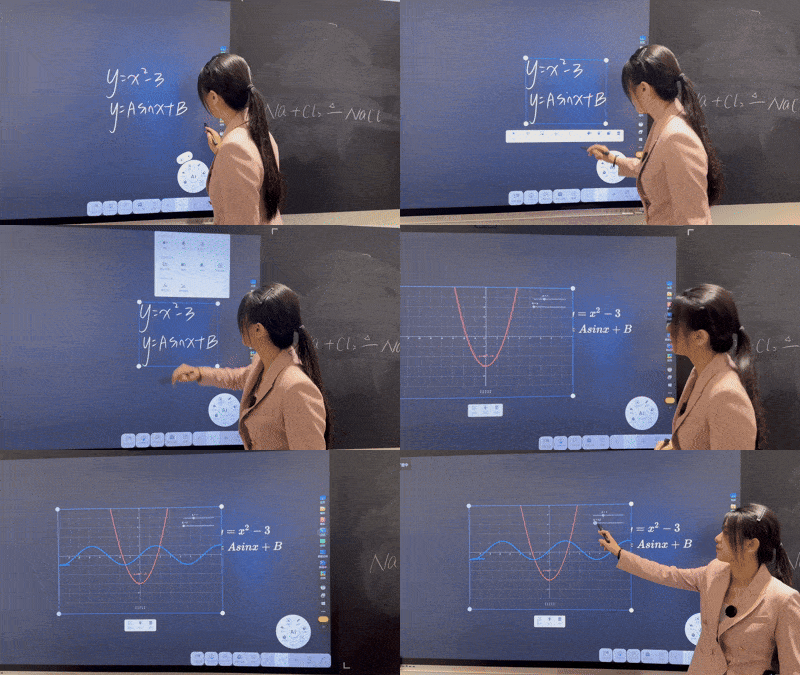
Voice AI meets Hyundai Motor
For its Spark-powered in-vehicle voice solutions, iFlytek collaborates with more than 50 domestic and international automakers, including Hyundai Motor Group, Toyota, Ford, BMW and Audi.
Notably, iFlytek is jointly developing voice interaction technology with Hyundai. While details of the partnership remain undisclosed, the strategic tie-up comes as the Korean automaker accelerates vehicle-user interaction through its new Gleos AI voice assistant.
IFlytek is also partnering with Korea-based voice recognition technology firm Mediazen, which has supplied voice recognition platforms to Hyundai since 2007. The two companies are jointly developing AI systems for smart vehicles, a collaboration expected to strengthen voice interaction capabilities in Hyundai and Kia cars.
Tian said, “We see strong demand among Korean consumers for controlling the vehicle through voice commands. So we are actively pursuing partnerships and integration with Korean automotive manufacturers.”
The Spark system uses a multimicrophone array installed throughout the vehicle to identify where a voice command originates, prioritizing recognition from the driver’s seat while distinguishing requests from passenger seats.
Tian noted the company is also developing a model for autonomous driving vehicles, enabling its voice assistant to function as a driving agent that can understand and execute complex commands, such as making a stop at a gas station or changing lanes.
ESS giant taking on Tesla
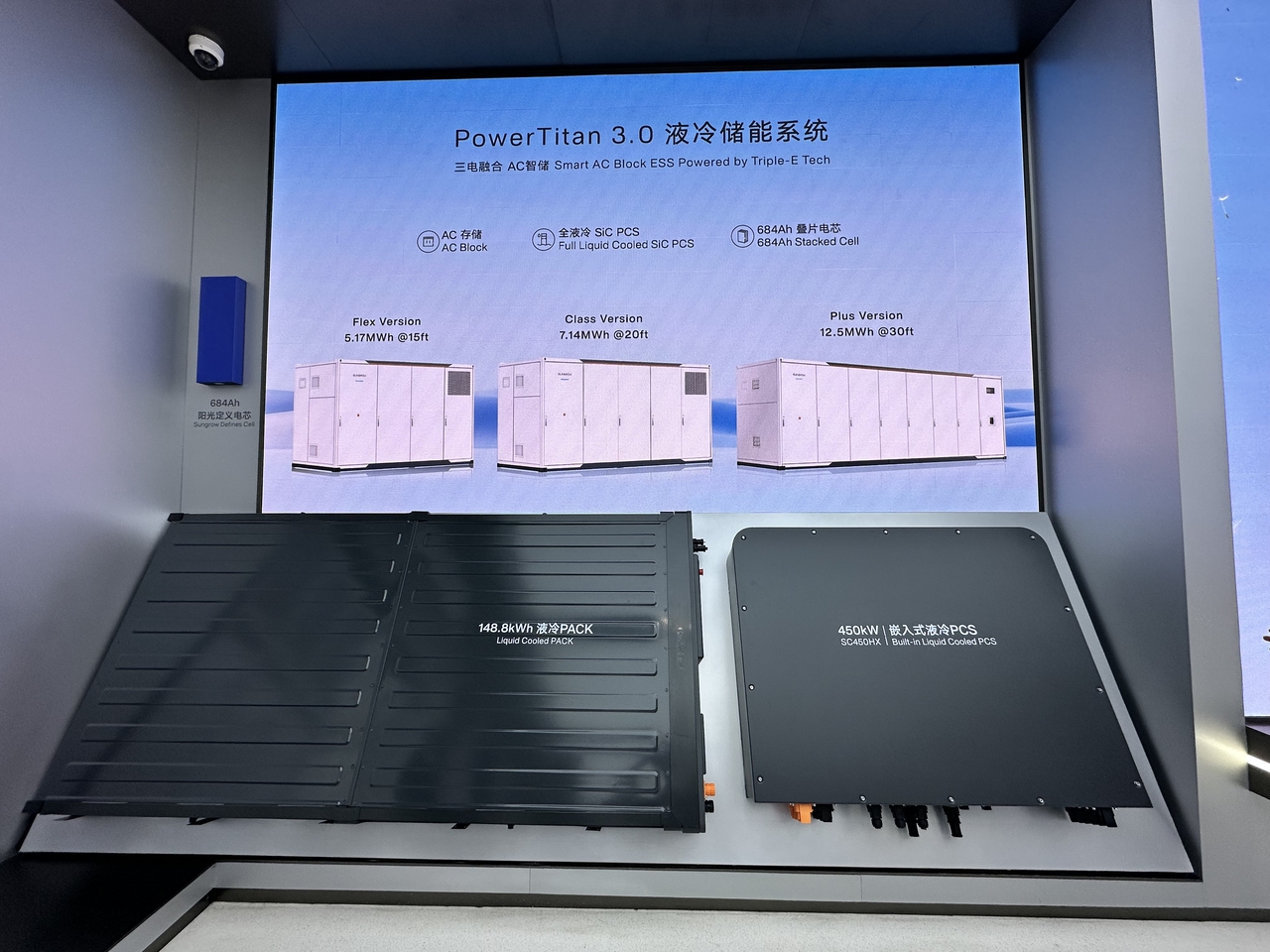
Sungrow, a leading solar inverter and energy storage system supplier, is competing head-on with Tesla in the global market for ESS system integrators — companies that package battery cells, software and thermal management systems into containerized storage solutions.
According to data from S&P Global Commodity Insights, Sungrow accounted for 9 percent of the global ESS SI market last year, following BYD with 13 percent and Tesla Energy with 10 percent. The company’s strong market presence is underpinned by its extensive global footprint, with operations in around 100 countries and regions and 20 overseas branches, including its Korean office in Anseong, Gyeonggi Province.
Leveraging over 29 years of expertise in solar inverters, the company has established a distinct competitive edge in power conversion systems. This critical ESS component, alongside battery cells, converts direct current into alternating current to enable highly efficient utility-scale energy storage solutions.
Sungrow is banking on skyrocketing demand for ESS in various sectors — from renewable energy power plants to AI data centers — for stable power generation and supply.
AI data centers, in particular, are increasingly facing power constraints, prompting a rise in self-sustaining microgrids that combine renewable power generation, large-scale ESS and AI data centers. The new trend offers Sungrow a structural advantage as it covers both solar inverters and ESS.
A Sungrow official said, “ESS is a highly complex product. … Building a reliable system requires much more than just manufacturing batteries. That is why system integrators (like Sungrow) can supply more stable and reliable products, and close collaboration with battery-makers is essential.”
The official noted Sungrow’s ESS products use lithium iron phosphate, or LFP, battery cells from various suppliers, mostly Chinese, reflecting LFP’s roughly 99 percent share of the global ESS market. By contrast, Korean batterymakers have historically focused on premium nickel-based chemistries and have only recently expanded into the LFP battery segment.
The company is primarily targeting Korea’s utility-scale and commercial and industrial ESS market driven by non-governmental commercial investment, while also aiming to bid for government-initiated energy storage projects.
“For the time being, we will remain focused on individually funded projects that are not backed by government investment,” Sungrow said.
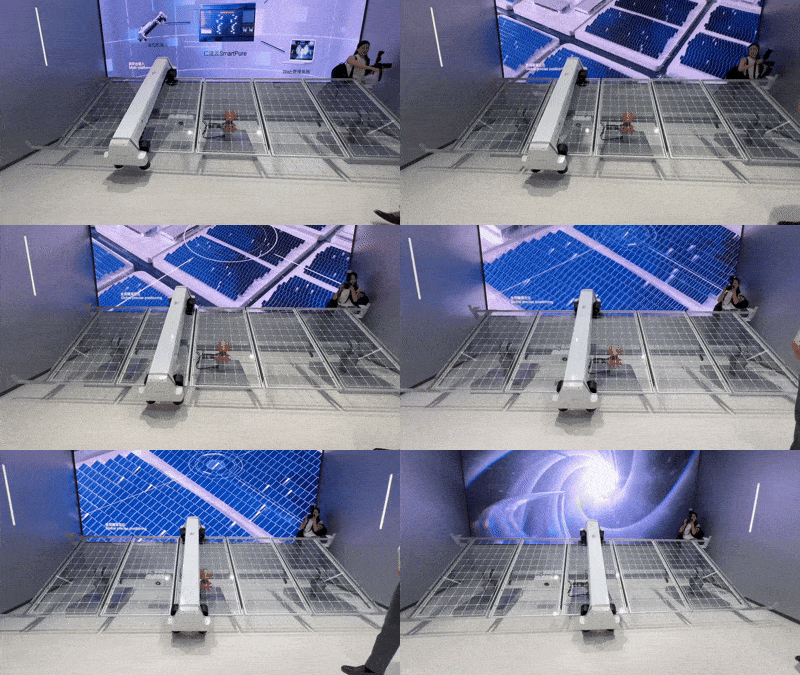
Gotion’s global battery push
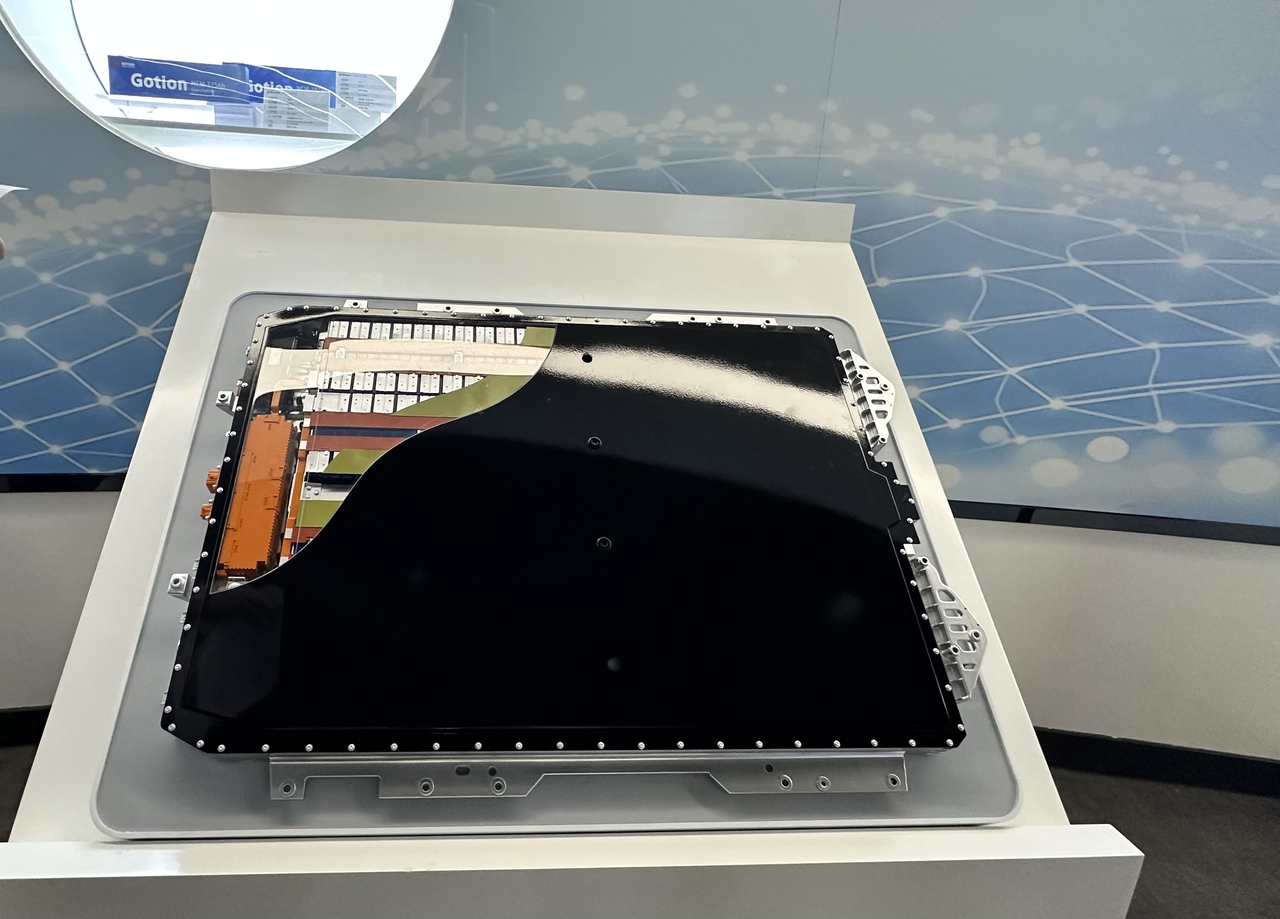
Gotion High-tech, which ranked third in China’s EV battery market by installed capacity during the January-April period this year, has made inroads into the “impenetrable” US EV and ESS markets through its Illinois plant, which began operations in 2024.
But according to an industry source, the company faces growing challenges in the US as Washington intensifies scrutiny of China’s battery supply chain. The heightened restrictions have disrupted the movement of products, equipment and personnel between the US and China, effectively making it difficult for Gotion to operate in the US market.
“It is not us (China) who are not open,” the source said.
Despite its stalled momentum in the US, Gotion High-tech is expanding elsewhere; it operates, or is constructing, 10 overseas production bases in countries including Germany, Morocco, Slovakia, Thailand and Vietnam.
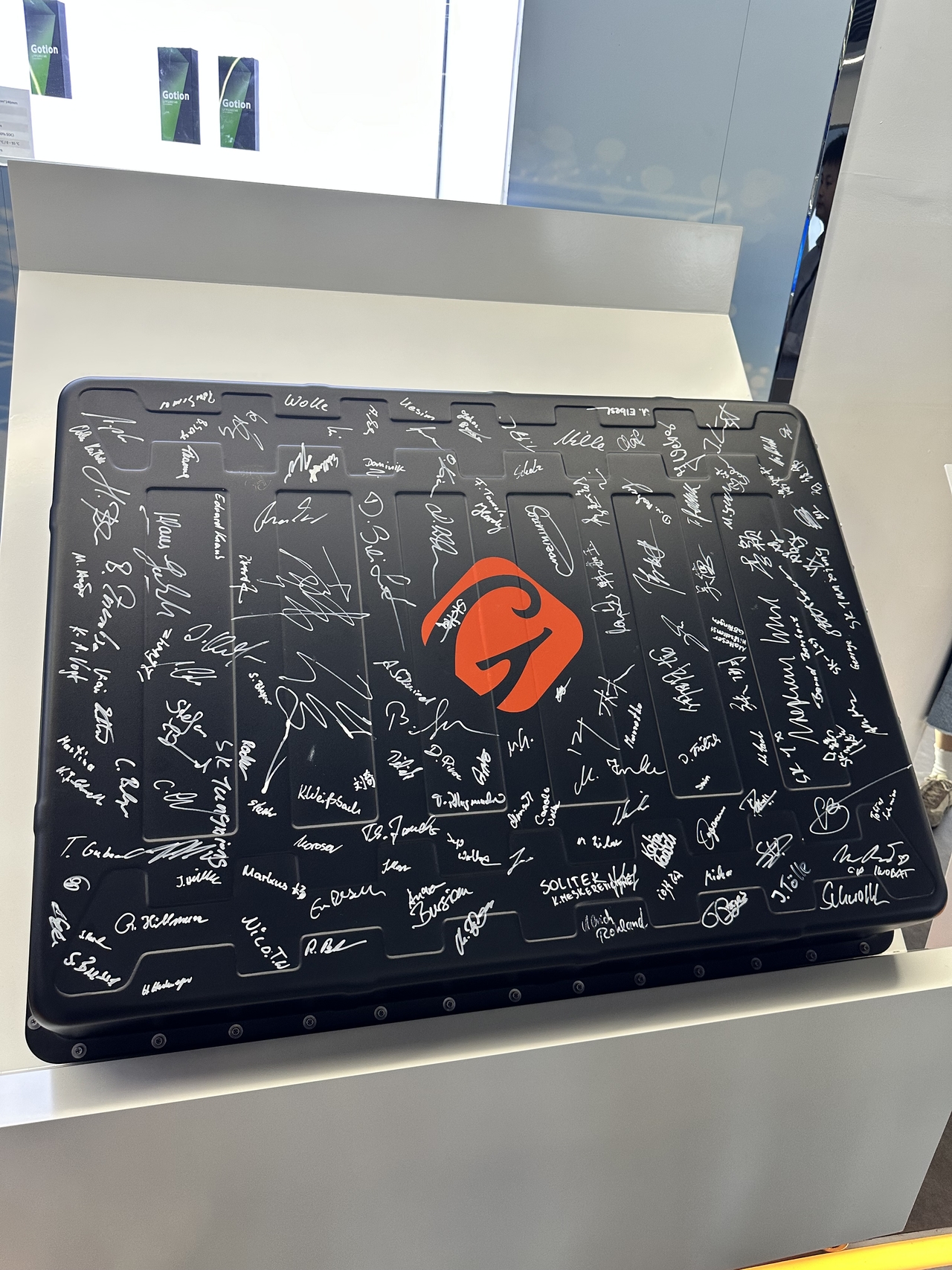
Notably, Volkswagen has been Gotion’s largest shareholder since 2020 and remains a major strategic partner. Gotion supplies batteries for the German automaker’s next-generation Unified Cell, a highly standardized cell architecture developed to lower EV production costs across Volkswagen’s high-volume models.
Other global partners include Rivian, Yamaha and Bosch. Gotion acquired Robert Bosch Aftermarket Solutions in 2021, including Bosch’s auto parts plant in Gottingen, Germany, which has since become the batterymaker’s European hub for ESS and EV battery pack production.
Gotion’s key technologies include LFMP batteries, which offer higher energy density than conventional LFP cells by adding manganese, and fast-charging technology that can charge batteries to 80 percent in 9.8 minutes, offering a driving range of 400 to 500 kilometers.
The company has also achieved milestones in next-generation battery chemistry. Its all-solid-state battery, seen as a potential game-changer for the EV industry, delivers energy density of up to 350 watt-hours per kilogram and is nearing mass production. It has also developed a semi-solid-state battery as a bridging technology, with energy density reaching 300 watt-hours per kilogram.
hyejin2@heraldcorp.com