TRAVEL
I visited the Dole Plantation in Hawaii, United States in April 2026 as part of my eight-day visit. The plantation is also home to one of the world’s largest plant maze – the Pineapple Garden. This is the seventh part in my ‘Aloha Series.’
IT was Monday, April 20 April – the fourth day in Hawaii. I booked the tour of the Dole Plantation on the Viator website. This tour was a round trip from downtown Honolulu to the Dole Plantation.
Brief visits to Haleiwa town and North Shore Macadamia Nut Company were included. My partner Mulberry and I walked from my cousin James apartment to the pick-up spot at the Ala Moana Hotel Honolulu by the Mantra. It was a 15-minute walk. The pick-up bus arrived at 7.15am at the hotel and we were the first onboard. The driver gave us the aloha welcome and we proceeded to other hotels to pick up the rest of the passengers – mostly elderly Americans. We departed Honolulu at about 8am.
The sun was out, but it was the start of winter season so it was cooler. Our Hawaiian driver (tour guide), gave us an insightful history of his people, Hawaiian royal family and landscape while we travelled along the Kamehameha Highway.
We arrived at Greenworld Coffee Farm around 9am – our first stop. This was a coffee plantation surrounded by massive pine trees and windmills. There were free samples of coffee, retail shops, and Hawaiian shaved ice (an ice-based dessert made by shaving a block of ice and flavoring it with syrup and other sweet ingredients).
My partner and I do not drink coffee so we spent this time taking photos for our socials. We left the farm around 9.20am for a short 10minute ride to the Dole Plantation. We were the first tour group to arrive.

History of the pineapple
This is a brief history about pineapples and the Dole Plantation to give context to my visit. The pineapple was given its English name for its resemblance to a pine cone. According to the Dole Plantation website, historians believe the first pineapples in Hawaii arrived on a Spanish trade ship that wrecked off the coast of Kona in 1527.
The first written mention of the wild “kailua” pineapple was by Spanish explorer Francisco de Paula Marin who, in 1794, began growing them in Kona. Marin had become a trusted advisor to King Kamehameha I, and he began to experiment with cultivating pineapples, as well as other fruits, on the island. By the time New England Protestant missionaries started to arrive in 1820 pineapples could be found growing wild and in private gardens and small plots.
Hawaii’s Pineapple King
There were series of events that led to the rise of the pineapple industry in Hawaii. The 1898 annexation of Hawaii by the US revoked the 35 per cent duty on Hawaiian canned pineapple while 526 hectares of homesteads in Wahiawa, located in central Oahu, were made available under new laws.
As a result, 22-year-old James Drummond Dole arrived in Hawaii in 1899. His cousin Sanford Dole, was then president of the newly annexed American Territory of Hawaii. James Dole who obtained a bachelor’s degree in agriculture from Harvard University’s Bussey Institute settled at a 25-hectare coffee farm homestead in Wahiawa.
But he switched to pineapple cultivation because Coffee was not profitable. Dole officially formed the Hawaiian Pineapple Company in 1901. This was the start of what would become the largest pineapple industry in the world. Dole, who was dubbed Hawaii’s ‘Pineapple King’, retired from the company in 1932. The Dole Plantation officially opened to the public as a Pineapple Experience in 1989.
Dole Plantation Experience
Now back to my pineapple visit experience. Mulberry and I paid about US$30(about K131) each to do three tours during our two-hour visit to the Dole Plantation
They were the Pineapple Garden Maze, Pineapple Express Train tour and the Plantation Garden tour. We did the train ride first as per the advice from our tour guide. As soon as we bought our tickets we hurried to the train as it was about to leave.
We stood in line, took photographs then boarded the train called Lady Liberty. The Lady Liberty train arrived in Hawaii in 2003. It was designed as a replica of a Mason Bogey 0-4-4T, originally manufactured by Mason Machine Works in Taunton, Massachusetts in 1883. The other trains are the Pineapple Express, originally built in England, Aloha Express built in China, and the newest train, the Ohana Express built in China.
The train filled with passengers started the 3.2km train ride through the plantation located in the valley surrounded by the mountainous Koʻolau Range of Oahu. The ride was narrated by a voice recording and travel time was about 20-minutes.
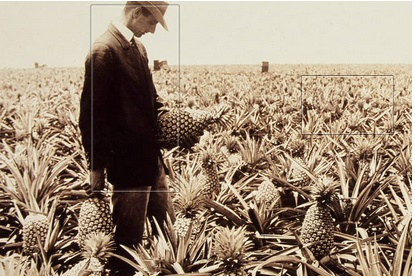
We learnt about the history of the pineapple, and how James Dole founded his world-famous agricultural empire. An entire field of pineapples were the main attraction of the plantation. They were buried in dry dark maroon soil. We were told the unique colour of the soil was a result of the volcanic ash from many years ago.
Apart from pineapples there were also bananas and sugar cane which looked like they were abandoned. We saw a lot of old plantation machinery as well. Other crops like cacao, lemon, lime, noni, heliconia, avocado, and breadfruit looked new because they were kept in a section that was well watered.
The plantation is powered by solar energy. The train turned at a bend near the Tanada Reservoir and returned to the mini train station.
Mulberry and I then headed to one of the world’s largest garden maze – the Pineapple Maze. This maze is over 1.2 hectares and nearly 4km of winding pathways. It is covered with more than 14,000 Hawaiian plants such as hibiscus, and heliconia.
The main feature of the maze is for visitors to find eight secret checkpoints, plus the Pineapple Love Lock. This Pineapple Love Lock is a metal arch made into the shape of a pineapple. It is surrounded by surrounded by hibiscus and plumeria. Visitors will mark their initials on the custom lock and place on the metal arch – waste of money I reckon.
Unfortunately, we did not find the eight checkpoints because the maze application did not work. Instead we guessed our way to the Pineapple Love Lock and left.
My partner I then went to the pineapple themed souvenir shop. We ran out of time and did not do the Planation Garden. We left the plantation at about 11.30am and did a 15-minute stop over at the Macadamia Nut Company along the North Shore. I liked this place because I tasted a variety of nuts. At midday we were at Haleiwa Town where we had lunch.

Haleiwa Town
Haleiwa is the main town along the North Shore. It reminded me of the old Western town in the U.S hit series Bonanza. This town had restaurants, galleries and boutique stores. The recently added food truck courts have a variety of local or international cuisine. I had a simple American Hot dog that cost US$2(about K8) while Mulberry had a shrimp fried rice that cost US$23 (about K100). If you are looking for cheap bargains then skip Haleiwa as most stuff here are expensive. At 2pm, we departed Haleiwa and returned to Honolulu.
My Feedback
Personally two hours was insufficient to submerge yourself in the pineapple experience. I recommend spending at least half the day there. However, I would not recommend doing the Pineapple Maze because the application does not work. As a result visitors will go through the maze by trial and error – taking up more time.
I really enjoyed the train ride through the relatively old abandoned plantation. But to be honest, there was really nothing much to see except plants including pineapples.
Next edition: Honolulu Zoo