The ceasefire between Israel and Lebanon, which came into effect at midnight on Thursday, April 16, is hanging by a thread. Israeli airstrikes have ceased in the southern suburbs of Beirut as well as in the south and east of Lebanon, but deadly clashes, including artillery fire, continue between Hezbollah and the Israeli army in the buffer zone controlled by Israel in southern Lebanon, stretching five to eight kilometers deep.
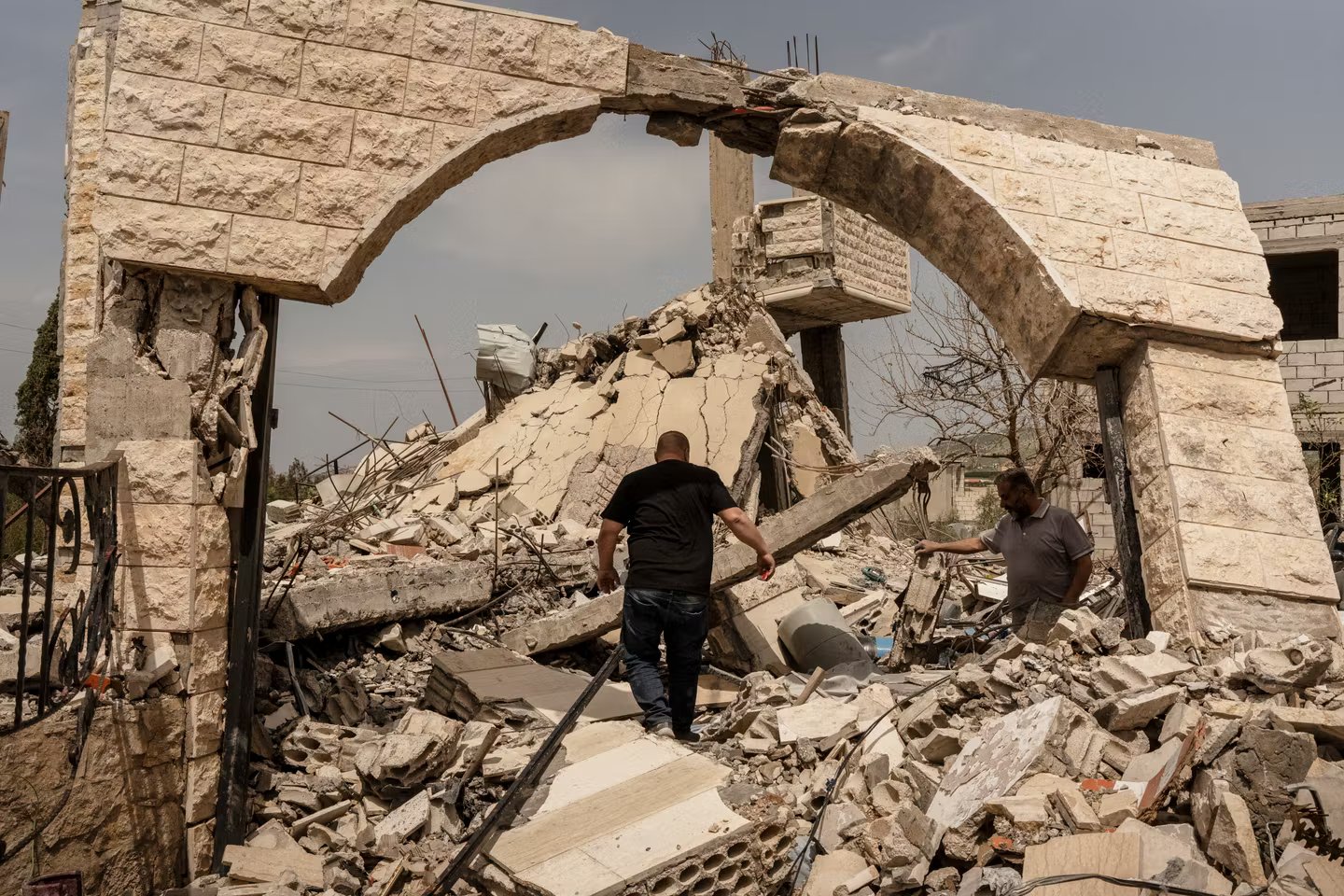
Two Israeli soldiers and an undetermined number of Hezbollah fighters have been killed since the start of the truce. Behind the “yellow line” demarcation that the Israeli army said it had established – like in the Gaza Strip, where it controls of 60% – it carried out sweep operations and destroyed houses with explosives, completing the devastation of Lebanese border towns.
On Sunday evening, the Israeli army received orders “to act with full force, both on the ground and from the air, including during the ceasefire” in the event of a “threat” and to demolish any structure or road that was “booby-trapped” that could endanger soldiers, Israeli Defense Minister Israel Katz said. On Monday, the Israeli military acknowledged that a soldier photographed destroying a statue of Jesus in a southern Lebanese village – and whose image had circulated on social media – was indeed a member of the Israeli forces. On X, Foreign Affairs Minister Gideon Saar said, “We apologize for this incident.”
You have 80.49% of this article left to read. The rest is for subscribers only.