Of Giada Aquilino
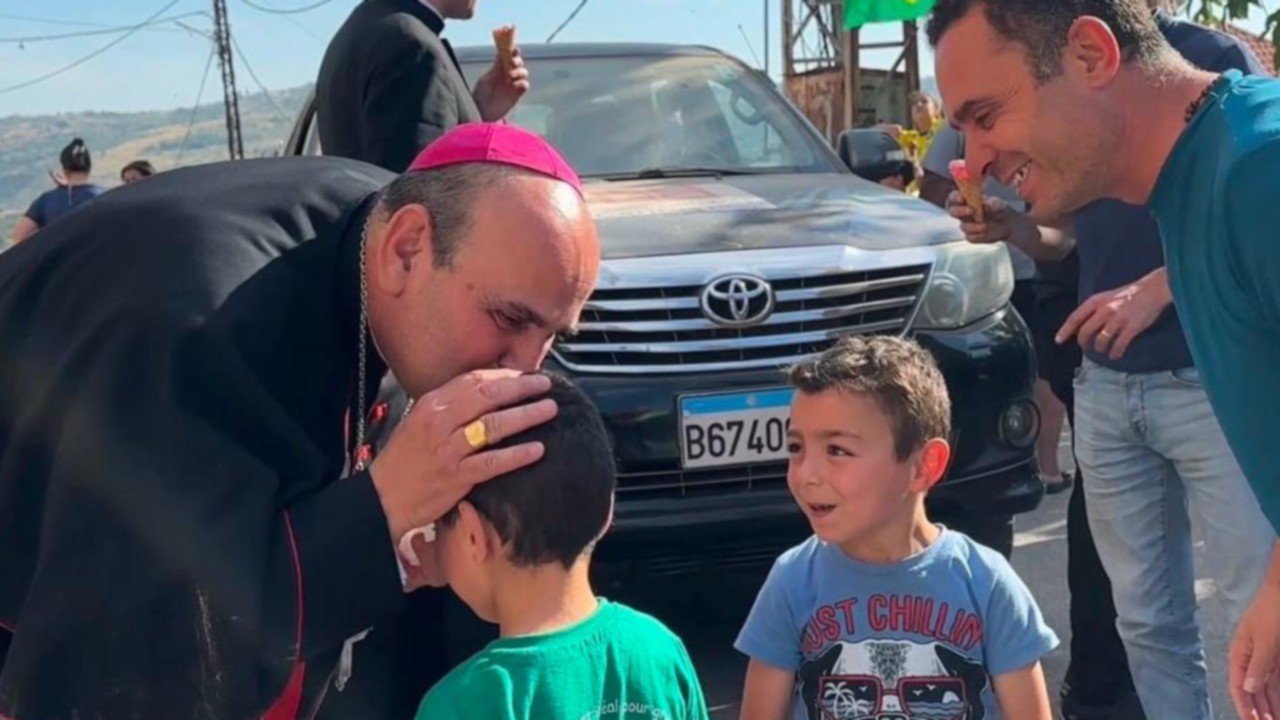
A humanitarian convoy organized by the apostolic nuncio to Lebanon, Archbishop Paolo Borgia, together with Caritas and other Catholic organizations, and headed towards three Christian villages in the south of the Cedar Country was forced on Thursday to change its itinerary “due to an exchange of fire between the parties”, the Israeli army (IDF) and the Hezbollah militias. Archbishop Borgia himself reported this to the Vatican media, explaining what happened shortly before the group of 45 trucks and vehicles, which left Beirut early in the morning, arrived at the village of Debel, south of Tyre. “It was not possible to continue on the itinerary” coordinated with the competent authorities, says the prelate, precisely because of the further insecurity that had been created.
“We were all in the car, in a long convoy, which transported humanitarian aid of various kinds, especially food, fruit, vegetables, water, as well as medicines and fuel”, intended not only for the population of Debel, but also for two other villages, Ain Ebel and Rmech. “There was also some goods for the shops in the area – in the current shortage of supplies, ed. – and at the same time for the farmers and breeders, to ensure that in some way the life of the villages can then resume a little.” Among the vehicles on the move, there were also cars carrying residents of the area: they simply wanted to return to their homes, after having been displaced for weeks. In a situation of continuous escalation, the nuncio does not speak of panic among those present at the time of the shots but reflects: “These are frightening things, we then try to take them with the cold blood of the moment.”
So much so that the convoy “had to go back and take a completely different route, requesting new authorizations to move safely” but in the end, “taking 10 hours”, it still arrived in Debel.
What Archbishop Borgia highlights is the cruciality of the delivery of aid to villages effectively isolated from the rest of the country, precisely due to the ongoing war operations. The objective, he is keen to point out, “is to return” to those areas. “We are in a war situation, but we will continue our commitment to help people. I believe there will be another convoy as early as next week.” Thursday’s visit, he adds, “was the 20th visit to the south, with 17 humanitarian convoys and 3 pastoral visits, since the beginning of the war” in Lebanon on March 2nd. It is important to be there, he continues, “because this gives people the opportunity to stay in place and survive”. It’s not just about material aid: “With our presence, we bring the presence of the Pope, of the universal Church, of the Lebanese Church, together with closeness and solidarity, because people need to feel understood and accompanied, surrounded by the love of the Church itself.”