Ulaanbaatar,
April 7, 2026 /MONTSAME/. The
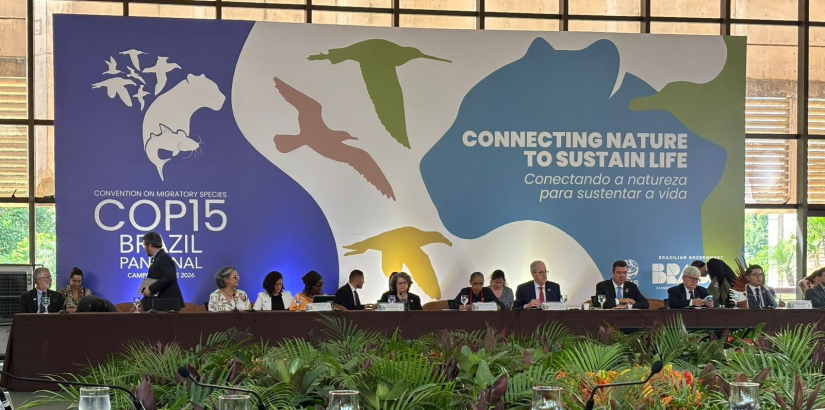
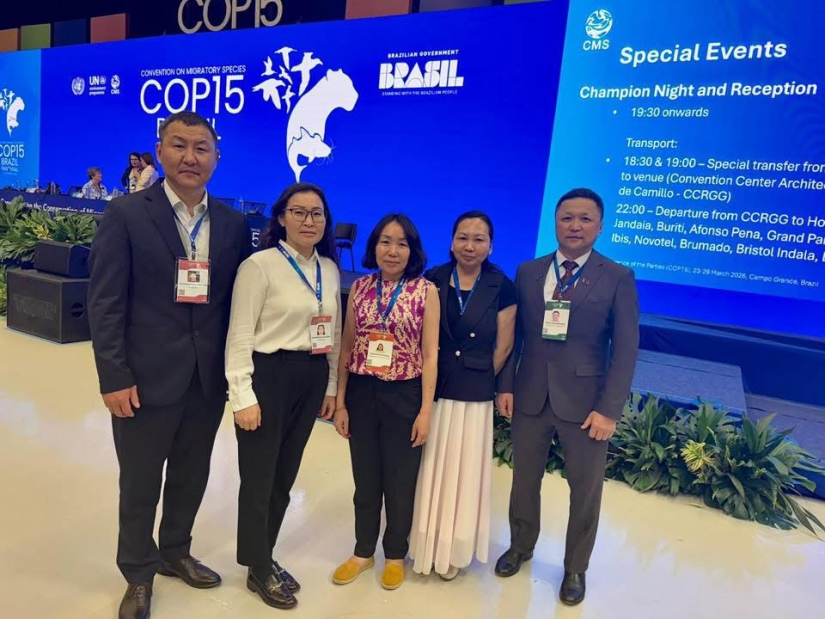
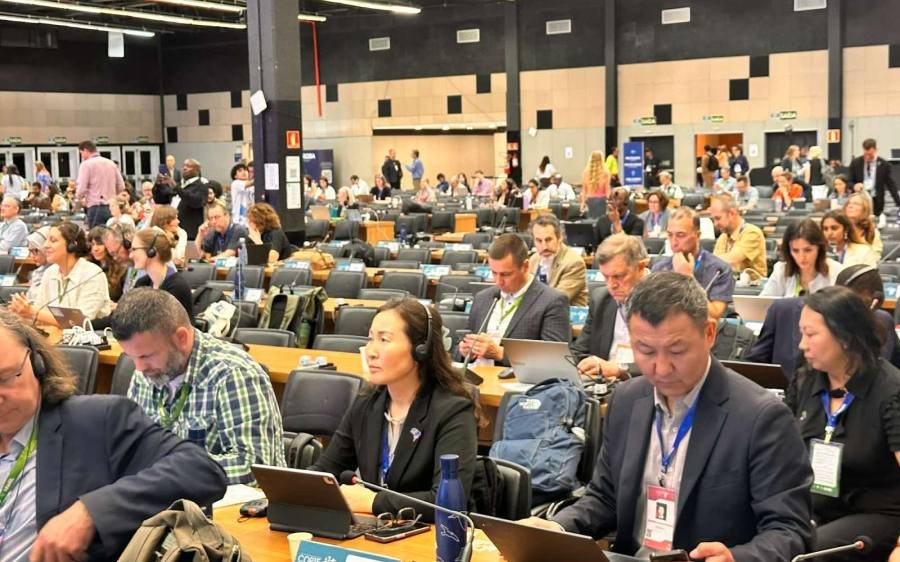
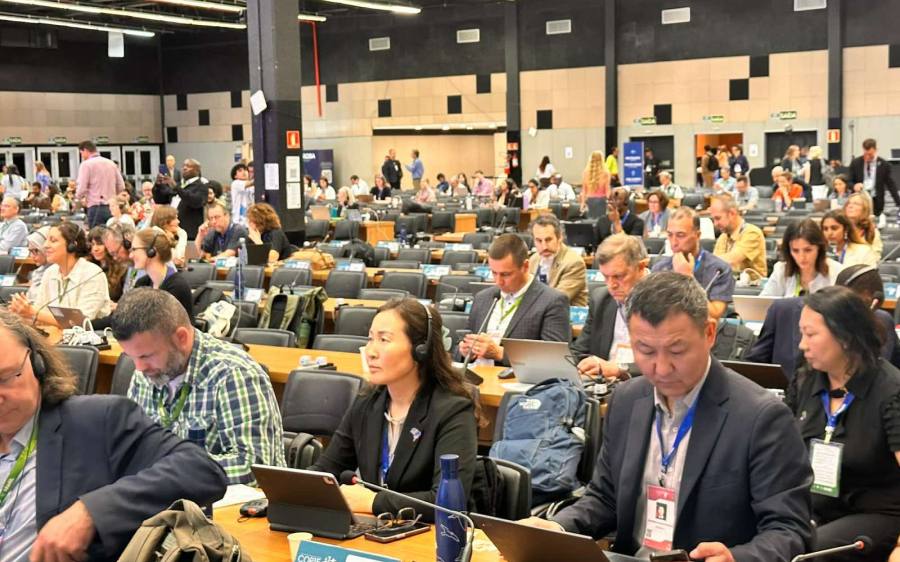
15th Meeting of the Conference of the Parties to the Convention on the Conservation of Migratory Species of
Wild Animals (CMS COP15) was held in Campo
Grande, Brazil.
More
than 100 countries, along with international organizations, researchers, and
civil society representatives, participated in the conference, setting future
directions for global policy and cooperation on the conservation of migratory
species. The meeting reviewed the status of migratory wildlife, noting that 49
percent of species are in decline and 24 percent face the risk of extinction.
However, it also highlighted positive progress in the conservation of the Saiga antelope, achieved through international
cooperation.
Over
50 resolutions were adopted at COP15, and more than 40 species, subspecies, and
populations were newly listed under the Convention. A new initiative, the
“Global Initiative on the Taking of Migratory Species,” was also launched to
combat illegal hunting and exploitation of migratory species.
During
the conference, Mongolian representatives were appointed to key roles within
the Convention’s Scientific Council. Dr. Buuveibaatar Bayarbaatar, senior
scientist at the Wildlife Conservation Society, was selected as the Asian
regional representative to the Council’s Standing Committee, while Dr. Nandintsetseg
Dejid of Germany’s Senckenberg Society for Nature Research was appointed
Councillor for terrestrial mammals.
Mongolia
reaffirmed its commitment to strengthening the conservation of migratory
species by actively participating in international initiatives, including the
Central Asian Mammals Initiative (CAMI), the Saker Falcon Global Action Plan,
conservation programs for steppe eagle and great bustard, migratory bird flyway
partnerships, and transboundary protected areas. Mongolia further aims to
expand cooperation with international organizations to reduce the adverse
impacts of infrastructure, strengthen research and monitoring, and promote
data-driven policymaking.
The
conference underscored the importance of establishing ecological corridors,
protecting connectivity areas, strengthening international cooperation, and
promoting science-based decision-making, while aligning implementation of the
Convention with the goals of the Kunming-Montreal Global Biodiversity
Framework.