[Editor’s Note: Follow the Khaleej Times live blog for the latest regional developments with the US-Israel-Iran ceasefire now in effect]
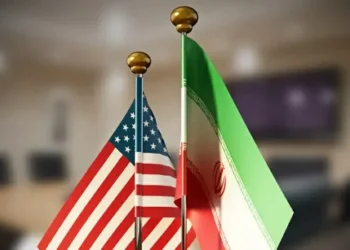
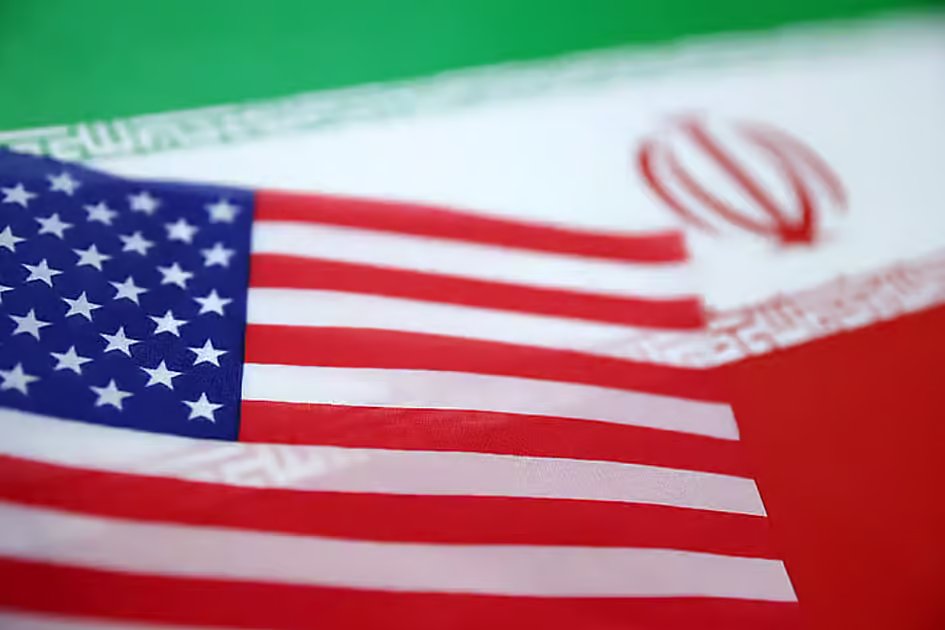
In the early hours on Monday, Pakistan PM Shehbaz Sharif announced that US and Iran have reached a peace deal, a major development that comes over 100 days after the war started on February 28, with a fragile ceasefire declared on April 8. Sharif said the signing would take place on June 19 in Switzerland.
“Both sides have declared the immediate and permanent termination of military operations on all fronts, including in Lebanon,” Sharif said in a post on X.
US President Donald Trump followed shortly after, confirming that the deal with Iran was complete, and announcing the removal of the US naval blockade on Iran. He also said he “authorised” the toll-free opening of Hormuz Strait.
Stay up to date with the latest news. Follow KT on WhatsApp Channels.
What followed was confirmations that Tehran has agreed to a draft Memorandum of Understanding from Iran’s Deputy FM and Iran’s National Security Council.
What Iran Deputy FM said
Iran’s deputy foreign minister Kazem Gharibabadi said that Tehran agreed to the MoU only after its final demands had been incorporated, according to Tasnim news agency. With a “permanent end” to the war, including in Lebanon, starting tonight, Iran will soon enter negotiations, he said.
These would be held over a period of 60 days, with mediators present, and are contingent on “the unfreezing of assets, end of blockade and end of war.” Meanwhile, Iran’s commitments will take effect from Friday, the deputy FM added.
What will the negotiations include?
According to Tasnim citing Kazem, the negotiations, will include discussions on nuclear issues, ending sanctions, mechanisms for Iran’s reconstruction, and establishing a mechanism to monitor all parties’ commitment.
The MoU does not mean trust in the “enemy” and Iran will take its own measures if they witness breaches from the other side, he added.
What has Trump said?
Trump hailed the deal, which he said will bring “peace and security” to the whole region. He announced the opening of the Hormuz Strait on June 19 after the deal signing.
 Ships of the world, start your engines. Let the oil flow!
Donald Trump
Trump said that the “leaders of the region have, for the first time, found a [US] President that can help them achieve real peace.” He claimed that US Presidents before him had failed to make peace with Iran.
Iran’s National Security Council statement
Iran’s National Security Council said it finalised the text for the MoU, and confirmed that the signing will take place on June 19.
War and military operations on all fronts, including Lebanon, will end “immediately and permanently” from tonight, it said.
The maritime blockade against Iran will end “immediately and completely,” it added.
Iran’s Mehr issues details of draft MoU with US
Iran’s Mehr agency has issued the details of the 14-article draft MoU with the US, Reuters reported. According to Mehr, the MoU includes
-
Complete lifting of US naval blockade in 30 days
-
Suspension of sanctions on Iranian oil and petrochemical sales
-
Immediate, permanent halt to war on all fronts, including Lebanon
-
Re-opening Strait of Hormuz within 30 days ‘under Iranian arrangements’
-
Presenting of reconstruction plans for Iran
-
60 days of talks on nuclear issues and full sanctions lifting
-
Half of Iran’s $24-billion blocked funds must be available before final talk, and release of blocked funds during talks
-
Final agreement to be endorsed by UN Security Council resolution
How have global leaders responded?
Qatar’s Prime Minister Sheikh Mohammed bin Abdulrahman bin Jassim Al-Thani extended thanks to “brothers in Pakistan, and all regional and international parties that contributed to creating the conditions conducive to reaching this understanding.”
Qatar will remain a “steadfast supporter” as all parties engage in negotiations, he added.
Meanwhile, European leaders, including the United Kingdom, France, Germany and Italy said on Sunday the countries were prepared to lift sanctions on Iran in response to steps on its nuclear programme.
They also stressed “full support” for the territorial integrity of Lebanon, and the “importance of a robust ceasefire.”