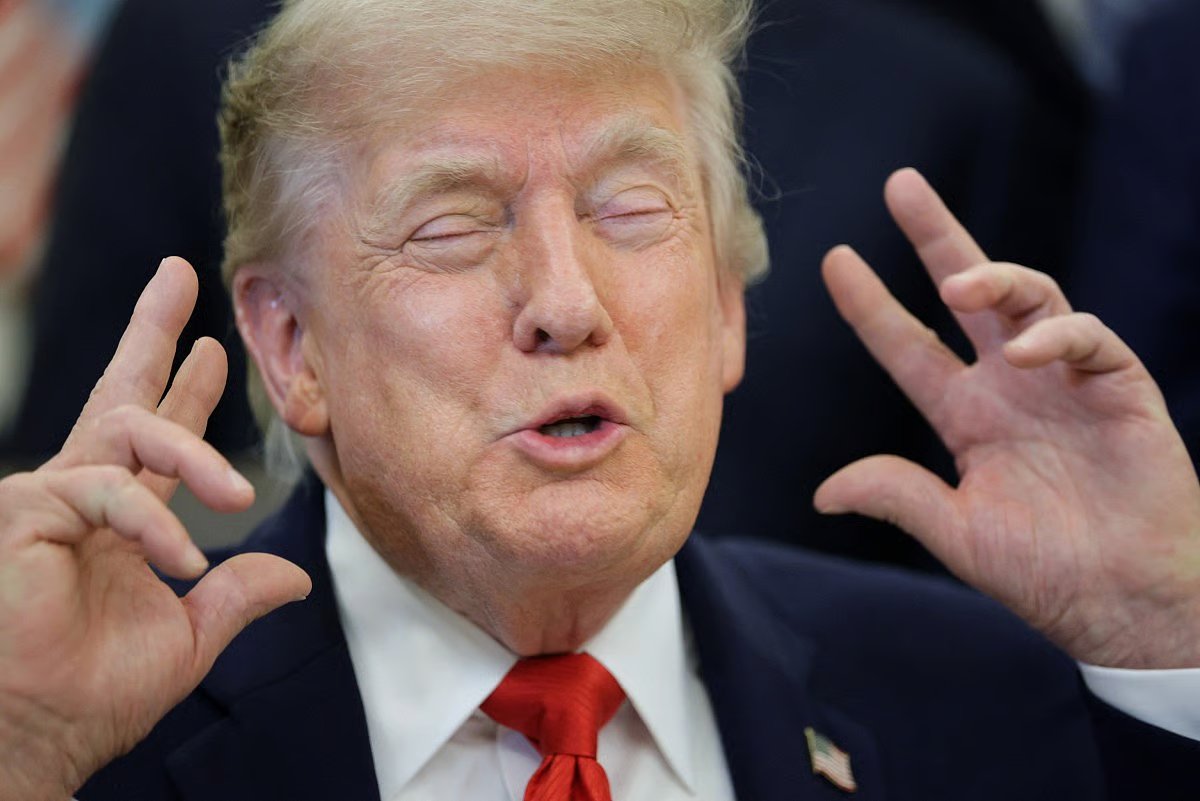
Trump offered scant details about the settlement he says is taking shape, but told reporters that he believed the Iranian supreme leader, Ayatollah Mojtaba Khamenei, who is believed to have been wounded on the first day of the war and has not been seen in public since, is ready to sign off on the deal.
Trump is billing the deal as “very strong,” though he says it remains “a little conceptual,” and says it would ensure Iran is blocked from ever developing a nuclear weapon.
Trump’s heightened threats are aimed at creating an off-ramp
With the conflict intensifying over the past week, Trump’s threat to escalate US military action seemed in part aimed at demonstrating to the hawkish flank of his political base that he was willing to play “hardball” with the Iranians if they didn’t come to a deal soon, said Ali Vaez, Iran director at the International Crisis Group.
Trump in March warned he would target Iran’s infrastructure and put American troops on Kharg Island before he ultimately backed down, and the two countries agreed to the temporary ceasefire.
Almost immediately after raising the idea again on social media Thursday, Trump appeared to back away. He called into a morning show on Fox News Channel and questioned whether Americans had the “stomach” for an option that would require putting US troops in harm’s way.
Hours later, Trump announced he had decided to cancel orders for “very hard” strikes on Iran and said a deal was close.
Vaez said even as Trump was posting on social media Thursday about escalating strikes, mediators from Pakistan, Turkey and Qatar had been making progress in their talks with Iran.
At the same time, Iran also may have reset the equation for Trump with its decision last weekend to attack Israel directly for the first time since the ceasefire after Israeli forces carried out military strikes on Iranian-backed Hezbollah militants in Lebanon.
With the move, Iran signalled that Israel could no longer bomb Lebanon without facing a meaningful reaction and in the process also raised the cost for the US to follow through on its commitment to help safeguard Israel.
“It really does appear to me that Trump wants to bring this to an end, but his real challenge is that he’s looking for a victory lap and an exit ramp and those two things are not necessarily compatible,” Vaez said.
Trump expresses frustration with war narrative
Trump has been boasting since the early weeks of the conflict that he’d already won the war – much of the Islamic Republic’s leadership has been killed in the bombings and the Iranian navy and air force have been severely degraded.
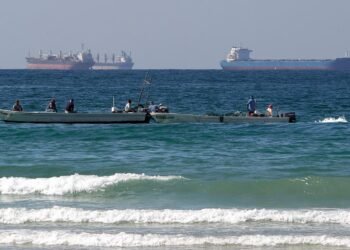
But Iran continues to effectively keep the Strait of Hormuz closed, choking a waterway through which about 20% of the world’s oil supply passed before the war, and has yet to agree to restart negotiations with the US over its concerns about Iran’s nuclear program, the main reason Trump and Israeli Prime Minister Benjamin Netanyahu gave to justify launching the war.
But the real problem, Trump grumbled Thursday, was largely a public relations issue.
“They could wave the white flag of surrender. They could say: ‘We surrender, we surrender, we’re finished, we’ve had it. The United States is the greatest power, praise be to Allah,'” Trump said on Fox News. “They could say it loud and clear. And the fake news would say it was a great victory for Iran.”
Rep. Michael McCaul, R-Texas, a former chairman of the House Foreign Affairs Committee, said Trump has grown impatient with Iran and the renewed strikes and threats on Kharg Island and Iran’s energy sector were intended to get the negotiations back to the “right place.”
Polls show that the conflict is largely unpopular with Americans. McCaul said he believes the Iranians want to “try to drag this out as long as they can,” closer to the midterm elections in November, because they see that as being to their benefit.
War will be high on agenda at next week’s G7
Deal or no deal, the war will loom large during next week’s talks at the Group of Seven summit in bucolic Évian-les-Bains, France.
Trump has frequently criticised some of the group leaders – British Prime Minister Keir Starmer, French President Emmanuel Macron, Italian Prime Minister Giorgia Meloni and German Chancellor Friedrich Merz – for resisting his calls to aid the US and Israeli war effort.
The four leaders have also angered Trump by criticizing how he’s gone about executing the war and his lack of consultation with allies before jumping into a conflict that’s hurt the global economy as oil prices have surged.
But Trump said he is optimistic he could have an agreement before his talks with leaders in France.
“The strait will officially open as soon as we sign, which could be soon, very soon – maybe over the weekend in Europe,” Trump said.