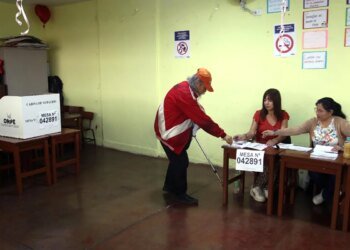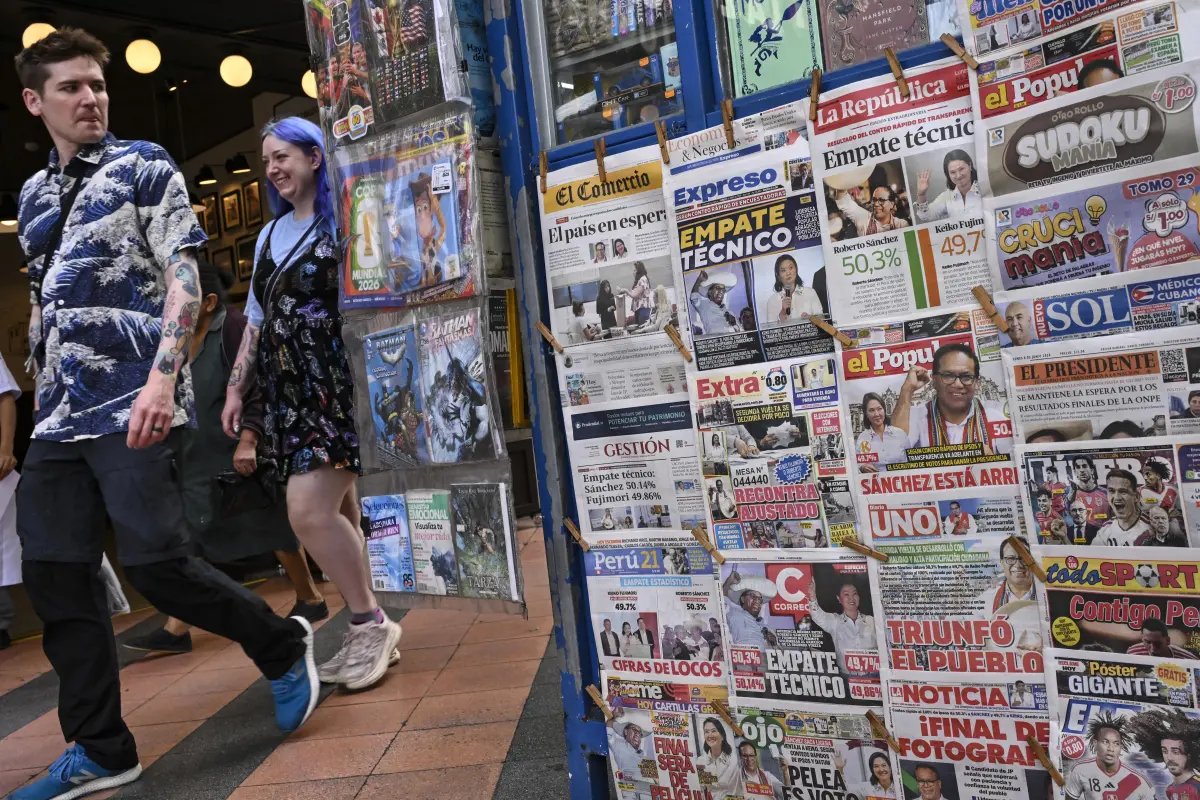
While Peru The counting of an election marked by polarization and uncertainty concludes, the country already knows what the true inheritance will be for its next president: a relatively solid economy, but a society increasingly concerned about insecurity, distrustful of its institutions and exhausted by years of political crisis.
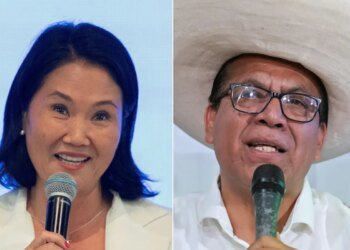
With Keiko Fujimori maintaining an advantage close to 28,000 votes over Roberto Sánchez when it has been accounted more than 93% of the ballotsattention begins to shift from the electoral result to the challenges that will face whoever occupies the Government Palace.
The next administration will have the responsibility of respond to the advance of organized crime, reduce labor informality, rebuild citizen trust and govern a country that, despite its economic strengths, continues to suffer deep political and social fractures.
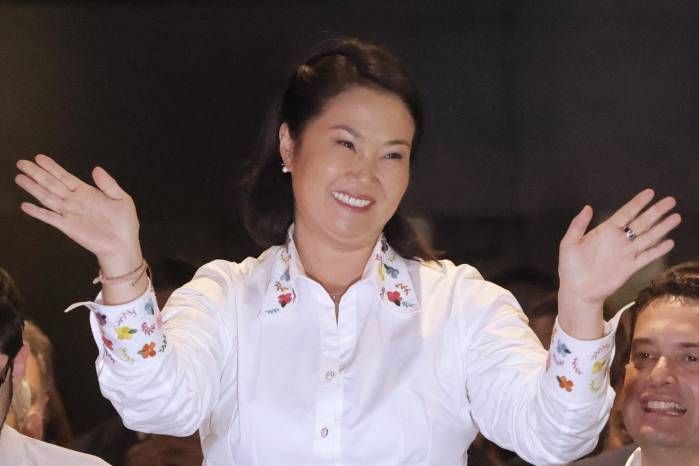
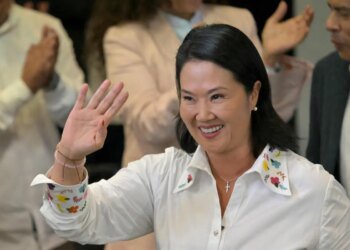
Keiko Fujimori arrived at the runoff with a speech focused on security, economic growth and institutional stability after years of political turbulence.
An economy that resists
Unlike other countries in the region, Peru comes to this presidential transition with relatively solid macroeconomic fundamentals. He International Monetary Fund He highlighted that the Peruvian economy continued to expand during 2025 and maintained a favorable growth trajectory.
However, the economic figures hide structural problems that have persisted for decades. He World Bank notes that the upper-middle-income status of Peru contrasts with significant deficiencies in public services, infrastructure and access to opportunities, especially outside Lime. Territorial differences continue to be one of the main sources of inequality in the country.
The institution also points out that numerous rural communities continue to face difficulties in accessing drinking water, digital connectivity and quality basic services, factors that limit productivity and economic growth.
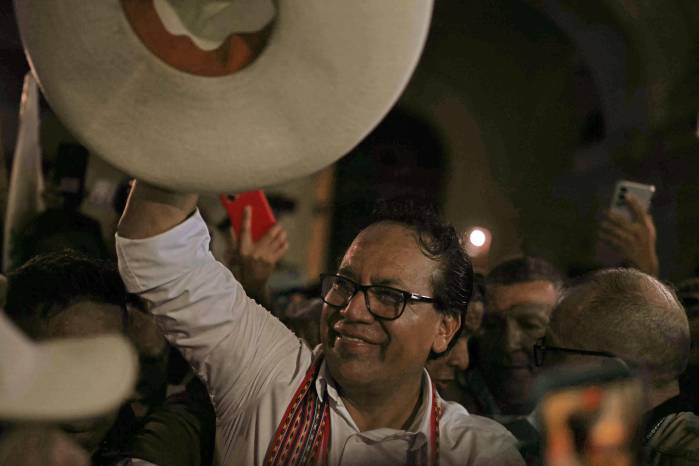
Roberto Sánchez based his campaign on social justice, the strengthening of public services and a greater state presence in the regions.
Informality, a historical debt
Another of the great challenges for the next government will be the labor market.
Informality continues to dominate large sectors of the Peruvian economy. International organizations agree that this phenomenon reduces productivity, limits access to social protection and restricts the State’s ability to raise resources and finance public services..
Although Peru has shown the capacity for economic recovery after the crises of recent years, experts consider that the creation of formal employment will be decisive in improving the living conditions of millions of citizens.
Insecurity became the main concern
If there is one issue that dominated the electoral campaign, it was citizen security.
The violence associated with organized crime, extortion, homicides and the expansion of illegal economies have transformed the perception of security in the country.. Analysts agree that insecurity has become one of the main sources of social unrest and one of the factors that most influenced electoral behavior.
The concern is particularly visible in Lime and Callaowhere authorities have resorted on several occasions to states of emergency to confront the increase in violence and the activities of criminal organizations.
Furthermore, the growth of informal and illegal mining represents an additional challenge for the next president.. Reuters reported that hundreds of thousands of informal miners currently participate in an economic activity that moves billions of dollars and that has acquired increasing political weight in rural regions.
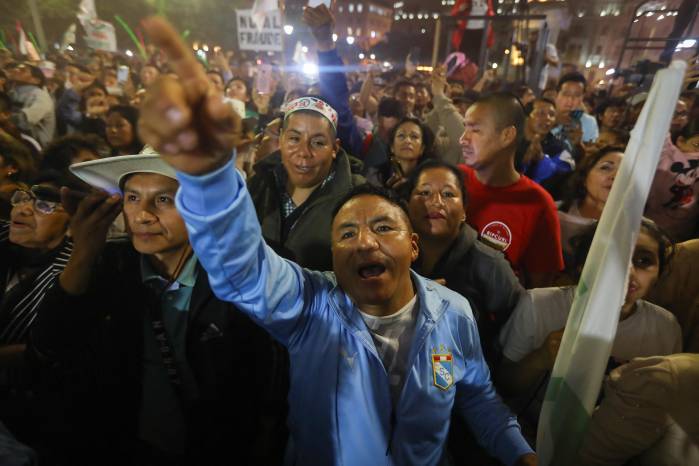
Insecurity and organized crime dominated the presidential campaign and are among the main citizen concerns.
The weight of a decade of instability
Beyond the economy and security, the main challenge could be political.
Peru has gone through one of the most turbulent periods in its recent history. The country has had multiple presidents in just a decadereflecting a conflictive relationship between the Executive and Congress that has made governability difficult.
Political fragmentation continues to be a central characteristic of the Peruvian system. Whoever wins the presidency will have to negotiate with a divided Congress and with institutions whose credibility has been eroded by years of confrontations, dismissals, corruption investigations and conflicts between branches of the State..
Various analysts have warned that distrust towards the political class remains high and that a large part of voters perceive that institutions have not been able to respond to their most urgent needs.
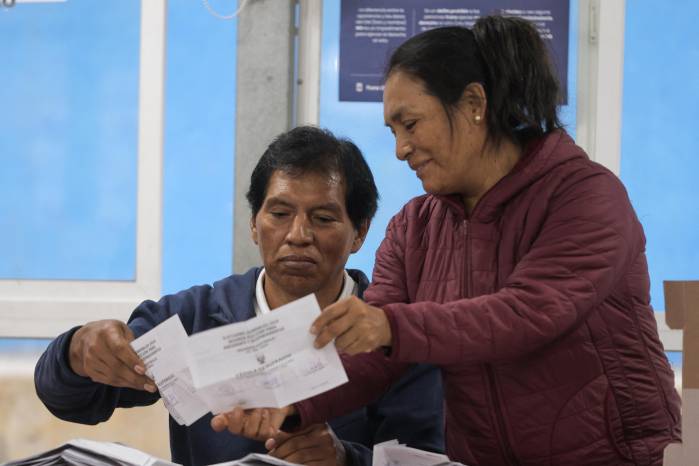
At the time of writing, more than 93% of the records had been processed and the difference between both candidates remained close.
The challenge of regaining trust
Be Keiko Fujimori either Roberto Sanchez Whoever is finally proclaimed the winner, the next president will face a challenge that goes beyond economic figures or crime rates.
The real test will be to rebuild citizens’ trust in the State, strengthen democratic institutions and provide stability to a country that has experienced years of political uncertainty.
The final results of the election will define who will take over. But the diagnosis of the country that the new president will receive already seems to be clear: an economy with growth potential, but a democracy subject to strong tensions and a citizenry that demands immediate responses to problems that have not been resolved for years.