The systematic increases in the price of fuel, spare parts, insurance and even the labor of mechanics and rubber workers, negatively impact daily costs from the transporters, who assure that if things continue like this they will have to review and adjust the fares for users.
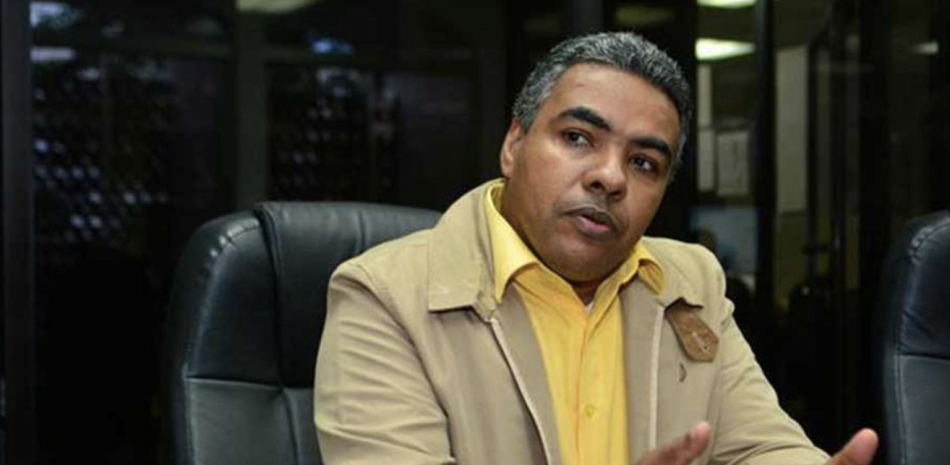
The president of the National Center of Unified Transporters (CNTU), William Pérez Figuereo, indicated that “we have tried to survive and maintain ourselves by reinventing ourselves in some cases. The CNTU has some electrical units that are in the Kennedy corridor, we have several LPG gas units with which we have mitigated the situation, because LPG has not increased in price.”
Pérez Figuereo explained that most of the inputs used by transporters, such as safe spare parts, and others, to the extent that fuel prices have increased, also They have raised their costs by up to 30%.
“After the seven increases that are going on here, let me tell you that items for vehicles have gone up close to 30%, so that you have an idea. We are talking about a battery that we bought for 4,700 pesos, we are paying RD$7,000. That a tire that we bought for RD$1,800, obviously, for medium use, today costs RD$3,100. So, it is not easy. 1/4 of regular use oil that we use because the vehicles are old and consume oil, we previously bought it for RD$225 and it was priced at RD$290 and RD$325,” the transport leader told Listín Diario.
He added, like other increases, labor. He said that “now the rubber farmers no longer want to cover the tires at the same pricebut they already claim that the electricity went up and the labor went up. Likewise, mechanics, electricians, painting and dent removal shops also raised their prices. The garage where we keep the cars, everything has gone up in price,” highlighted the transporter.
Given this situation, Perez Figuereo states that They are aware that it is not the Government’s fault and that they have honored the agreements to keep the fares unchanged as long as the price of a gallon of diesel remains below RD$185.00.
“We have a commitment to the people not to raise the fare and so we have fulfilled it. But if the increases in inputs and all the derivatives that we use in public passenger transportation continue, then we would have to review ticket prices, but we are going to wait for the barrel of oil to continue downwards and for this to stop, because otherwise, we are all going to lose here,” said Pérez Figuereo, pointing out the businessmen who take advantage of the rising fuel prices to raise the price of other added products, and whom he called “blood suckers.”