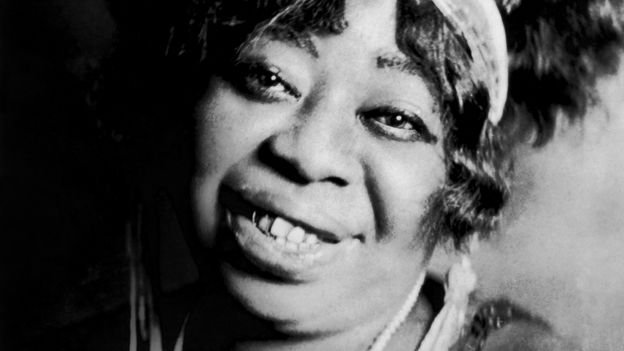
For black performers, the blues was not just entertainment, but a sensitive art form, born from a legacy of discrimination and white oppression. “The blues as a musical genre was created by the descendants of enslaved people in the Mississippi Delta and has always been grounded in everyday life, survival, and resistance, with early blues songs discussing social issues in matter-of-fact ways,” says Woolner. “In eras when topics such as female sexuality and queerness were not considered respectable for public discussion, female blues singers nonetheless dared to broach such topics.” Blues was also, she adds, “the soundtrack” of the “Great Migration” of African Americans from the rural South to the more anonymous urban North − a move which granted black migrant women greater freedom, she says, “to take part in queer behaviours, away from the prying eyes of family and nosy neighbours”.