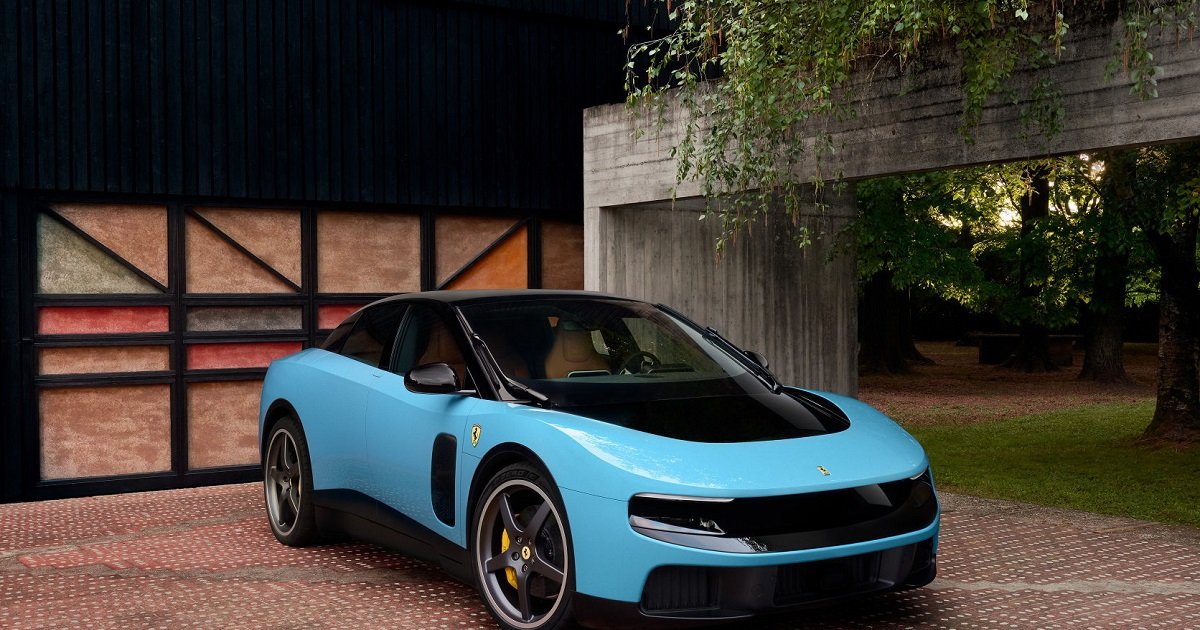
Ferrari presented its first fully electric car called “Luce”, but instead of enthusiasm, the premiere caused a lot of criticism among car enthusiasts and industry experts.
Many believe that the Italian manufacturer failed to transfer the recognizable sports identity of the brand to the electric era, and the appearance and proportions of the new model are especially under attack.
The car, whose starting price according to some reports could be around $640,000, is described as too similar to modern electric crossovers, which caused disappointment among some Ferrari fans.
Particular attention was drawn to the fact that Ferrari collaborated on the project with the famous industrial designer Joni Ive, who gained world fame working on Apple products.
Despite this, many commentators believe that the company insisted too much on futuristic details, while neglecting the striking visual identity that made models like the F40 and Testarosa automotive icons.
Honda as an unexpected role model
While the debate about Ferrari’s electric debut continues, part of the expert public cites Honda’s “0 Saloon” concept as an example of a more successful design.
Although the Japanese manufacturer abandoned this project as part of a change in electric vehicle development strategy for the North American market, the concept made a strong impression thanks to its aggressive wedge-shaped silhouette reminiscent of the legendary super sports cars of the eighties.
The model was first shown at the CES 2024 in Las Vegas, and an improved version was presented a year later.
Unlike Ferrari’s Luca, which relies on the aerodynamic forms characteristic of many contemporary electric SUV models, Honda’s concept is seen by many as a bolder and more original attempt to redefine the electric car, he states “Drive“.
However, analysts point out that Ferrari still has an advantage when it comes to interior luxury, performance and brand prestige.
The debate over what the first electric Ferrari should look like shows how challenging it is for super sports car manufacturers to combine tradition, innovation and customer expectations in the era of electrification.