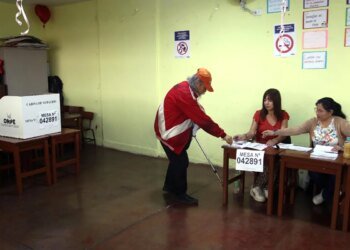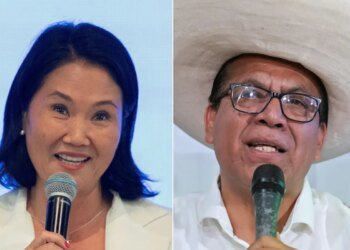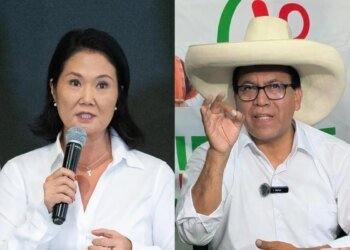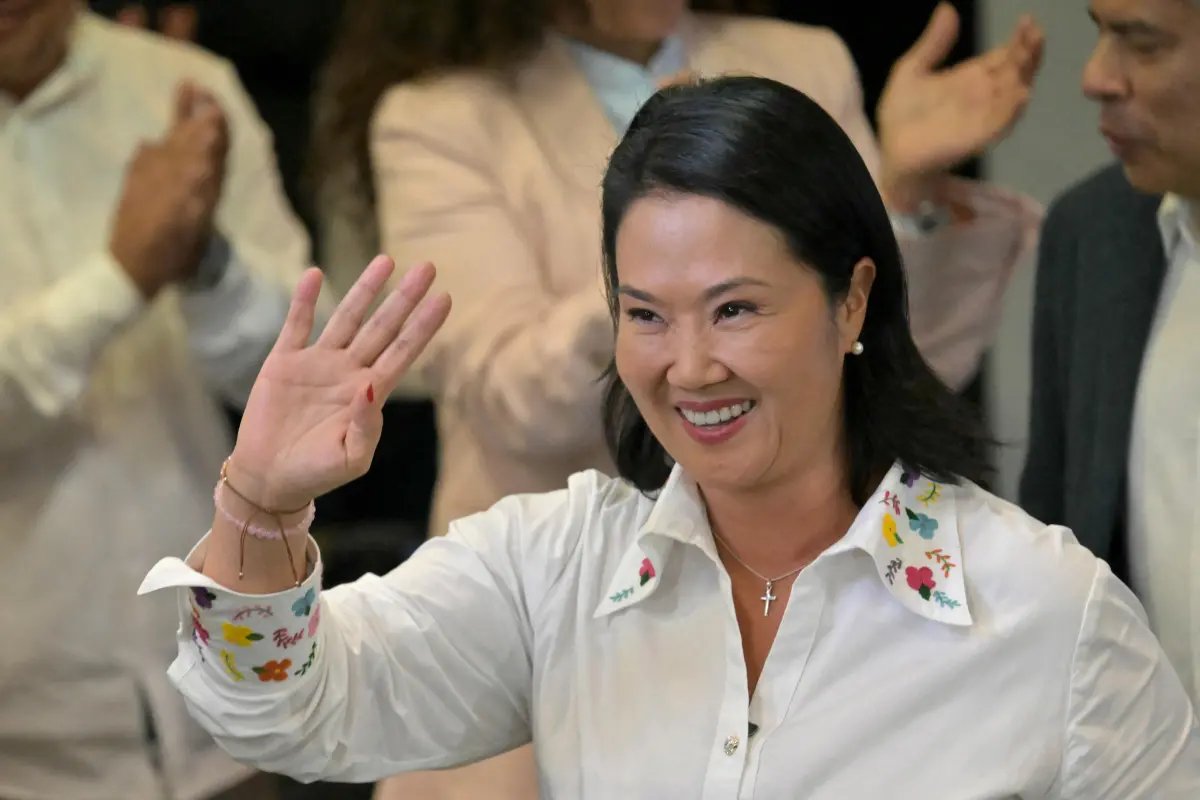
While Peru awaits the final results of one of the closest elections in its recent history, Keiko Fujimori He finds himself again in a scenario he knows well: a second presidential round. The candidate of Popular Force dispute over access to the Government Palace for the fourth consecutive timean unprecedented event in contemporary Peruvian politics.
The political career of Fujimori is closely linked to the figure of her father, the former president Alberto Fujimoriwho ruled Peru between 1990 and 2000 and continues to be one of the most influential and divisive characters in the country’s history. For millions of Peruvians, their last name represents order, economic growth and the defeat of insurgent groups such as Luminous Path. For others, it symbolizes authoritarianism, corruption and serious violations of human rights.
Keiko Fujimori has built a large part of the Peruvian political history of the last fifteen years.
In 2011 he lost the second round against Ollanta Humala. Five years later she was narrowly defeated by Pedro Pablo Kuczynski. In 2021 he once again remained at the gates of power after losing to Pedro Castillo. Now, in 2026, he once again qualified for the runoff and fights vote by vote against Roberto Sanchez.
At 51 years old, the leader of Popular Force He has managed to remain a central figure on the Peruvian political scene despite changes in governments, institutional crises and scandals that have hit different political forces.
His persistence has allowed him to retain a loyal electoral base, especially in urban and conservative sectors. However, he has also faced one of the highest levels of rejection in Peruvian politics, a phenomenon known as “anti-Fujimorism.”.
The influence of Alberto Fujimori continues to be decisive in his daughter’s political career.
For years, Keiko He tried to distance himself from some of his father’s decisions to build his own identity. However, in this campaign he once again claimed part of that legacy, especially on issues related to security, economic stability and authority against crime..
The former president continues to be remembered for having militarily defeated Luminous Path and for promoting economic reforms that stabilized the Peruvian economy during the 1990s. But also He was convicted of corruption and human rights violationsevents that continue to generate deep divisions in Peruvian society.
This contrast has accompanied Keiko throughout his career. Each presidential campaign has been marked by the same question: If it represents a continuity of historical Fujimorism or a renewed version of that political movement.
More than three decades after the arrival of Alberto Fujimori to power, Fujimori continues to be one of the most influential political forces in the country. Its ability to mobilize voters and remain competitive in successive electoral processes shows that it continues to occupy a central place in the national debate.
At the same time, the persistence of anti-Fujimorism shows that the political wounds of the 1990s remain open for an important part of the population.
Therefore, regardless of who wins the presidential election, the prominence of Keiko Fujimori once again confirms a reality that is difficult to ignore in Peru: The Fujimori surname continues to be one of the most determining factors in national politics.