Although menstruation is a natural and integral part of life, many girls and women still face obstacles in accessing basic hygiene supplies, information and adequate conditions for maintaining menstrual hygiene.
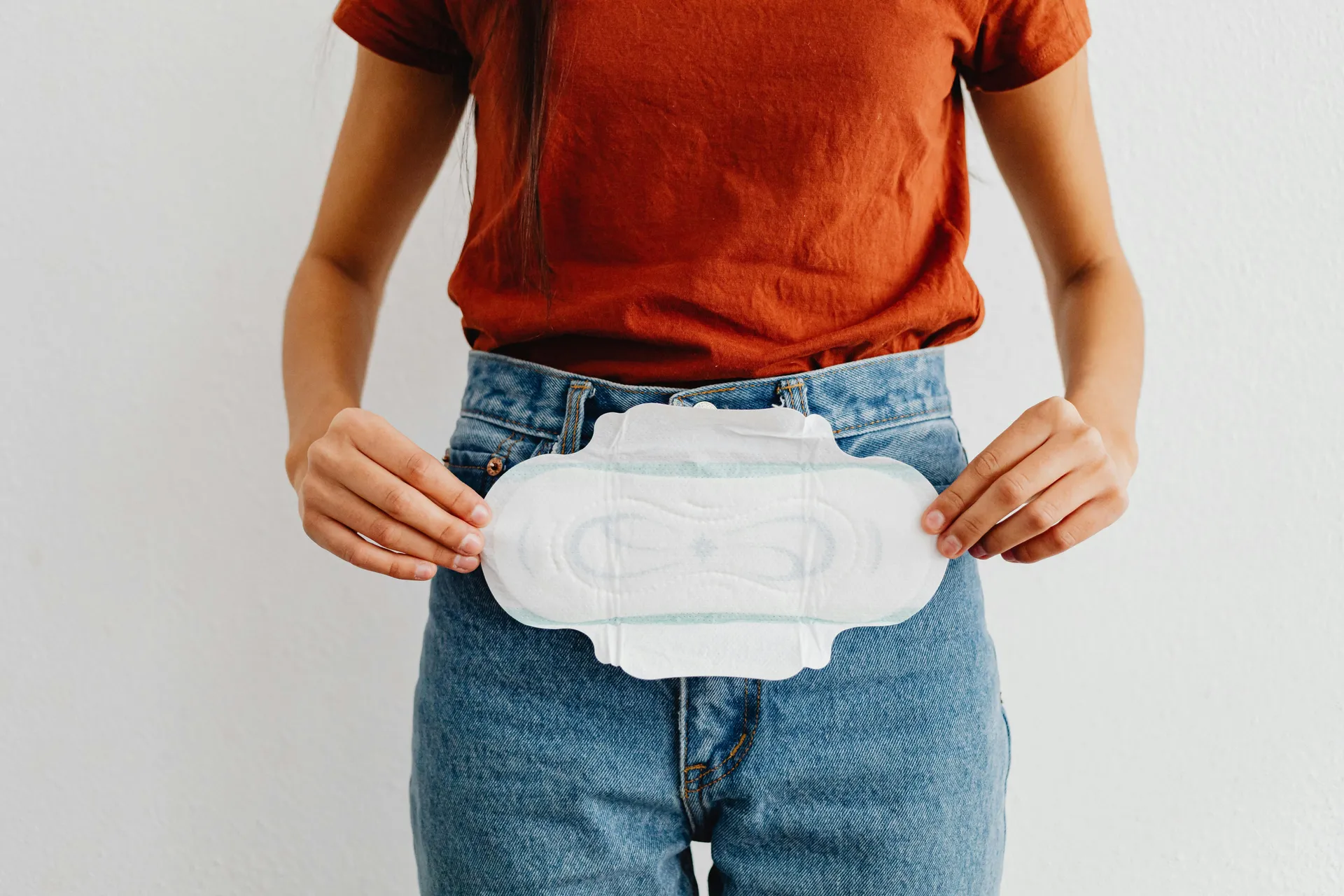
In this context, the Sarajevo Canton Government provides free sanitary pads for more than 7,000 high school students for the fourth year in a row, and the expansion of the program to elementary schools has also been announced. This measure and its results were discussed for Oslobodjenje.ba from the Government of KS.

Universal measure
As they stated, in the first year of program implementation, the 2022/2023 school year. year, 80,000 KM was set aside for this purpose.
– Every subsequent year, that amount was reduced thanks to continuous savings. The key reason is the change in the distribution system: installing dispensers in all secondary schools enabled female students to take pads according to their current need, instead of the earlier model in which girls received a package of sanitary pads per month regardless of actual consumption, the KS Government stated.
From the beginning, the program was conceived as a universal measure, without checking the financial status of the beneficiaries, with the aim of making sanitary napkins available to all schoolgirls who need them.
The Government also points out that the expansion of the program to primary schools has already been announced.
– More than 90 percent of girls get their first period before the ninth grade, and the average age of the first period is between 11 and 13 years old. This means that girls are already faced with the need for hygiene items in the lower grades of primary school. The specific implementation deadlines will be known after the completion of the planning procedure, they stated.
Sanela de Lucia from the Sarajevo Canton Parents’ Council told Oslobodjenje.ba that the initiative to introduce free sanitary napkins in primary schools came from parents.
– We are satisfied with these actions of the Government because they represent a positive step in the education of young people and the whole society about menstrual health and women’s health in general, from an early age. In our country, many topics have been taboo for a long time, and there is really no reason for that. That is why we welcome this measure in any case, said de Lucia.
The KS Government reminds that menstrual poverty is not only a question of the price of hygiene products, but also of social stigma, insufficient education and limited access to information about menstrual health.
– Material support must go hand in hand with education in order to systematically suppress stigma, not just alleviate it, they stated.
A special warning, they say, is the fact that more than 200,000 young people in BiH do not have access to menstrual products or basic information about menstrual health.
Indeed, according to the data of the initiative “From the bench to the law – for accessible menstrual health”, more than 200,000 young people in Bosnia and Herzegovina face some form of menstrual poverty.
Lasting consequences
At the same time, according to the data available to the KS Government, it is estimated that around 10 percent of girls missed school at least once or left classes early due to menstruation and lack of adequate conditions or necessities.
– Every such absence is a missed opportunity, and years of missed opportunities can leave lasting consequences on education and self-confidence. The Canton of Sarajevo has decided to act at the level of its competences, and similar measures can be implemented by other levels of government, the KS Government said.
The United Nations Agency for Sexual and Reproductive Health (UNFPA) reminds that access to menstrual hygiene is closely related to the rights to health, education, water, sanitation and gender equality. Because of this, ensuring access to hygiene products is increasingly seen as a matter of public health and equal opportunities for girls and women.