Longtime residents of Bay Land and Bank Hall, St Michael, on Friday reacted with immense pride and celebration to the government’s plan to transform the childhood homes of national heroes Sir Garfield Sobers and Sir Frank Worrell into permanent heritage sites.
Neighbours who spent decades living alongside the cricket maestros have widely praised the state-backed initiative, calling the preservation a deeply meaningful honour for the communities’ most famous sons.
They were responding to the announcement last Saturday at the Cricket Legends Museum by the Minister of Pan-African Affairs and Heritage, Trevor Prescod, during the launch of Heritage Month.
He revealed that the government has formulated comprehensive plans to honour the two sporting and cultural giants by stepping in to preserve their historic family homes.
Prescod emphasised that his ministry intends to look beyond traditional, temporary tributes to protect these vital pieces of Barbadian history. The state-driven initiative is set to begin in Bay Land, focusing heavily on the childhood home of Sir Gary, a national hero of Barbados who is globally revered as the world’s all-time greatest cricket all-rounder.
According to the minister, the government believes the state must play an active, decisive role in preserving the legacy of its national heroes while they are still alive to witness the country’s appreciation.
“We can’t have a national hero like Gary Sobers still very much alive… and the state not contributing to having that home that he grew up in symbolically as a representation of his greatness,” Prescod declared. “We want to change that… trust me, we’re gonna make sure we do that.”
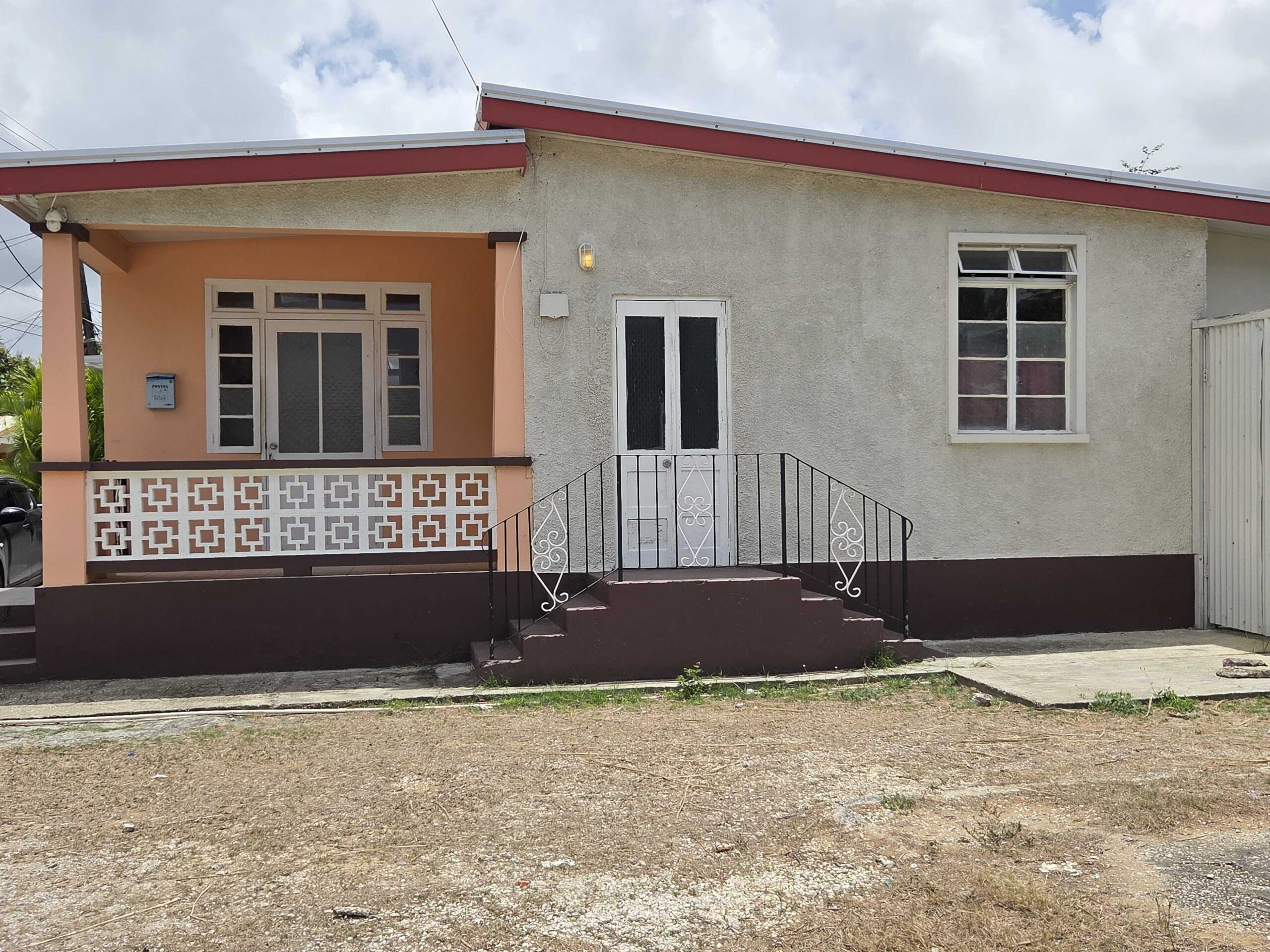
Childhood home of national hero Sir Gary Sobers in Bayland. (Photo credit: Ricardo Roberts/Barbados TODAY)
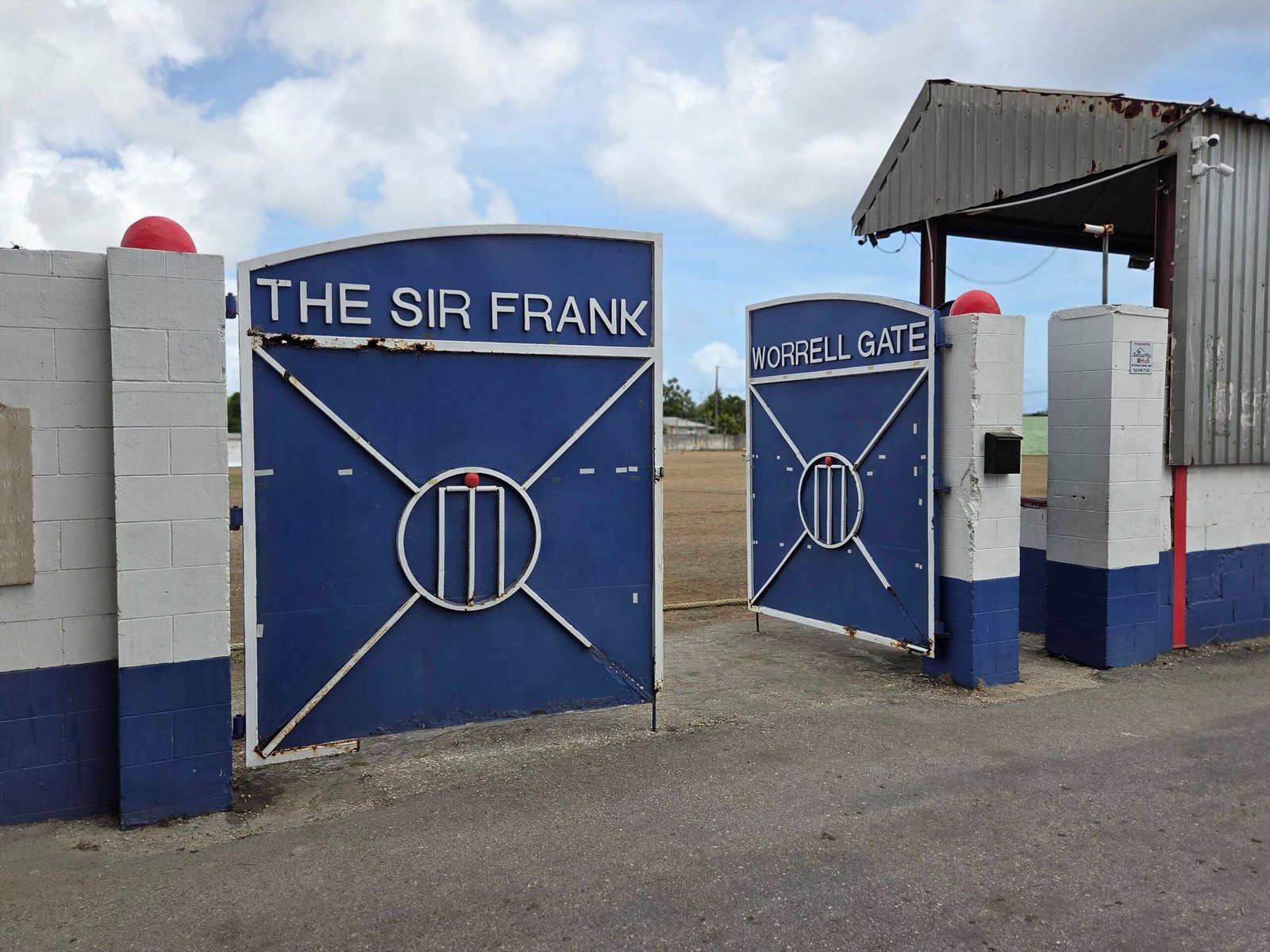
The preservation project will extend to the eastern side of the Empire Cricket Club ground, targeting the historic home of cricket legend Sir Frank Worrell, the first Black man to captain the West Indies team full-time. To bring these extensive restoration plans to fruition, the ministry intends to work in tandem with the Barbados National Trust to ensure the structural and historical integrity of both landmarks is secured for generations to come.
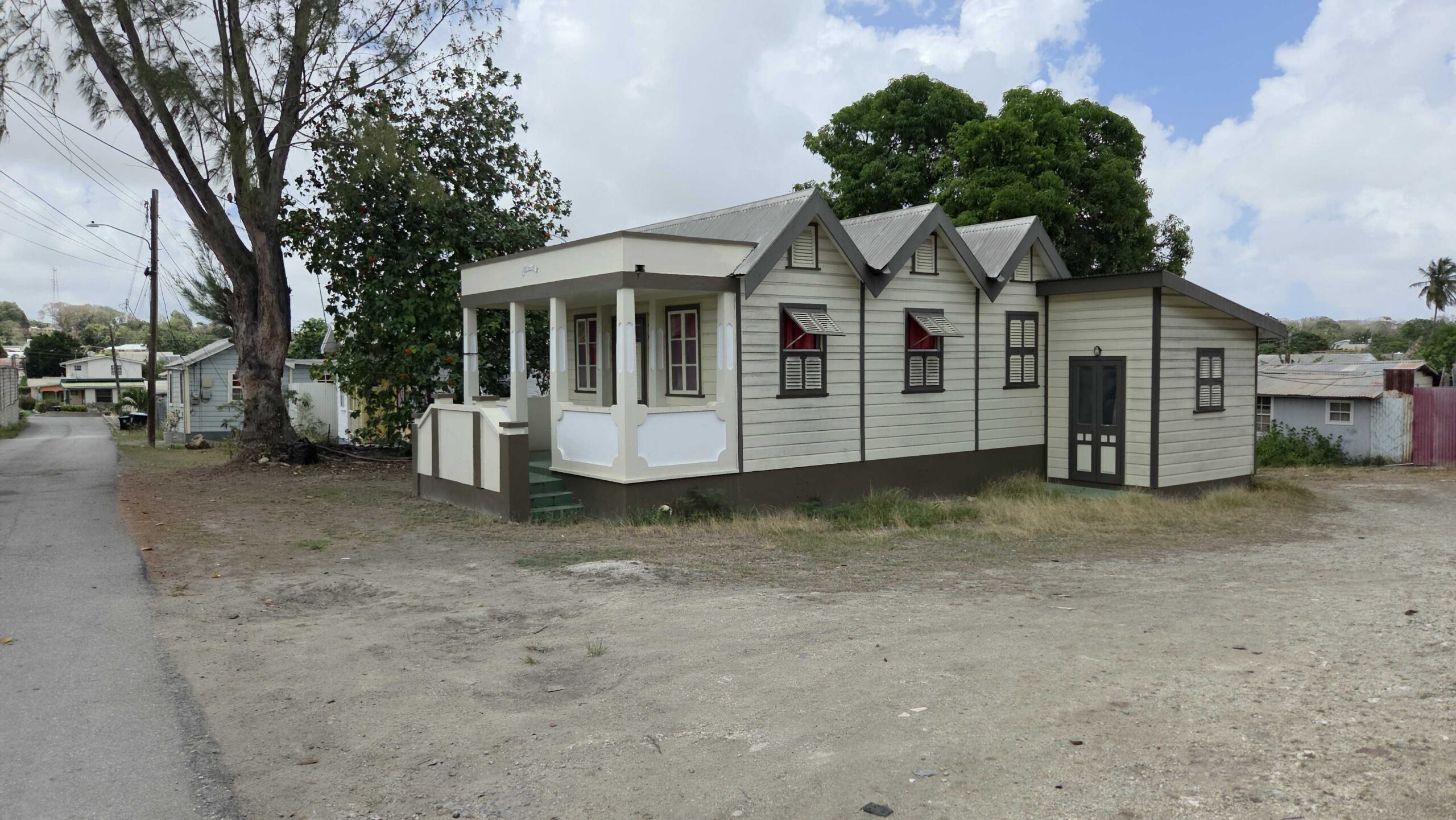
Childhood home of Sir Frank Worrell. (Photo credit: Ricardo Roberts/Barbados TODAY)
For the residents who share the history of these iconic neighbourhoods, the government’s plans are a welcome validation of their heritage, sparking fond memories of the legends before they achieved global stardom.
Eudine Miller, a next-door neighbour to Sir Gary, expressed absolute delight at the prospect of her neighbourhood becoming a protected historic landmark, noting that the accolade should have been bestowed long ago.
“They should have done this ever since,” Miller said, reflecting on the community’s deep-seated affection for the legendary all-rounder. “Fun, loving, loving family, yeah, kind. That’s how I remember him: playing cricket, a lot of cricket. He was a friendly guy.”
Miller also noted that she hopes the heritage designation will finally push authorities to officially rename the street in his honour, adding: “I’d like to see the name change, real estate change.”
Michael Welch, another resident born and raised on Walcott Avenue, viewed the government’s decision as a critical investment in the mindset of the island’s youth, showcasing Sir Gary’s life as a tangible blueprint for success.
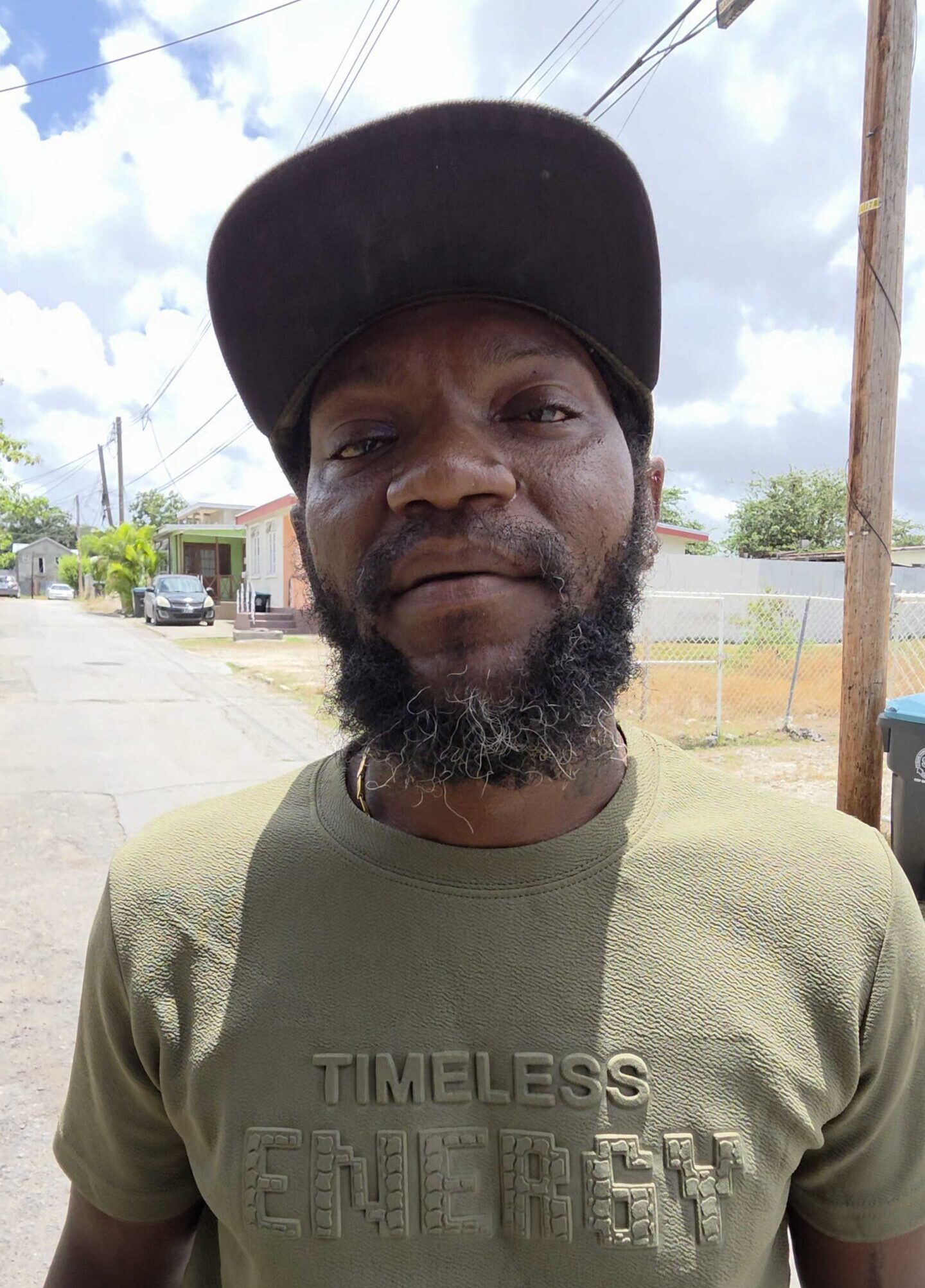
Bayland resident Michael Welch welcomes the plan by Government to preserve the childhood home of national hero Sir Gary Sobers. (Photo credit: Ricardo Roberts/Barbados TODAY)
“I feel that’s a good movement, that’s a good movement because he is a big builder for a lot of people to follow him in cricket and stuff,” Welch explained. “Not only cricket, but sports. It gives the youngsters something to do instead of just being on the block and stuff like that. It was using him with encouragement. A lot of people love him; he was a well-loved person.”
Other residents feel the government should go further and rename the street after him.
Ongoing efforts to preserve the historic childhood home of legendary captain Sir Frank Worrell are receiving strong support from the home’s current occupant, even as details regarding the property’s future development remain unclear.
The house, which once bore an official commemorative plaque that has since fallen off, has become a quiet focal point for cricket tourism. While some locals admit to not following the sport closely, others emphasise Sir Frank’s undeniable legacy.
“I ain’t really a cricket fan, but the contribution—he deserves it. So that’s as far as I could go with that,” Gregory, a resident of the area, who acknowledged the late icon’s massive impact.
The property is currently maintained by Rodney Bushell, a member of the Belle family, who shares historical ties to the Worrell estate.
Bushell moved into the home after it sat vacant for a long period following renovations ahead of the 2007 Cricket World Cup. He noted that while formal discussions involving the Barbados Cricket Association (BCA) and housing authorities have been slow, the prospect of safeguarding the site for future generations is highly welcome.
While Bushell clarified that any official decisions regarding the home’s transformation must go through his cousin, who manages the estate, he remains completely open to letting fans experience the history.
(RR)