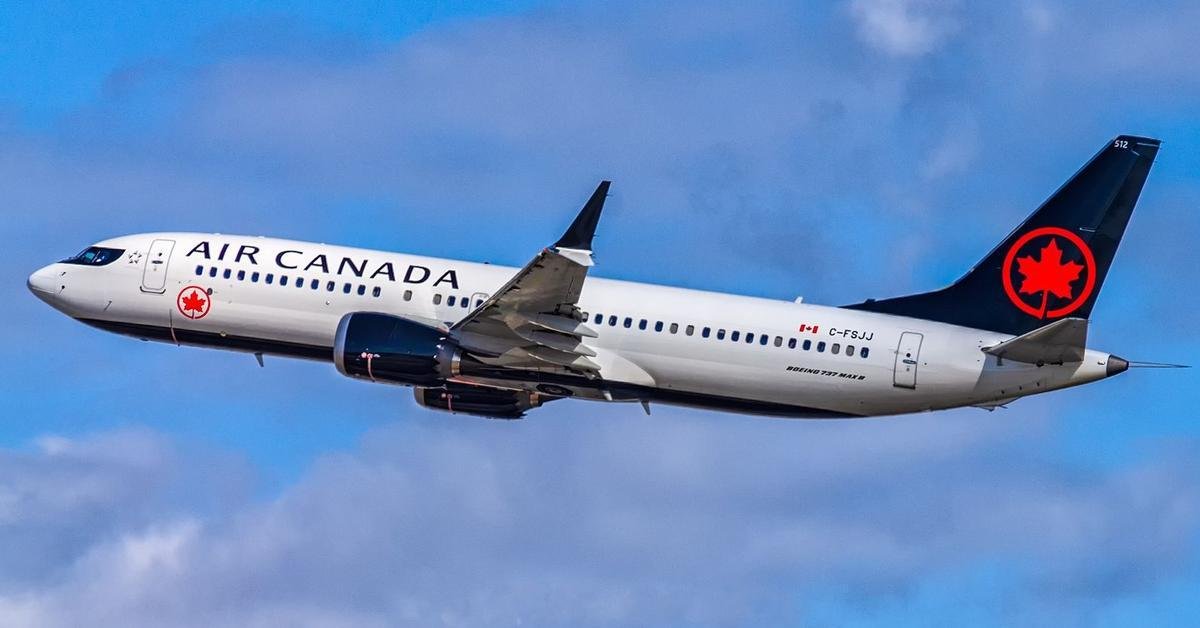
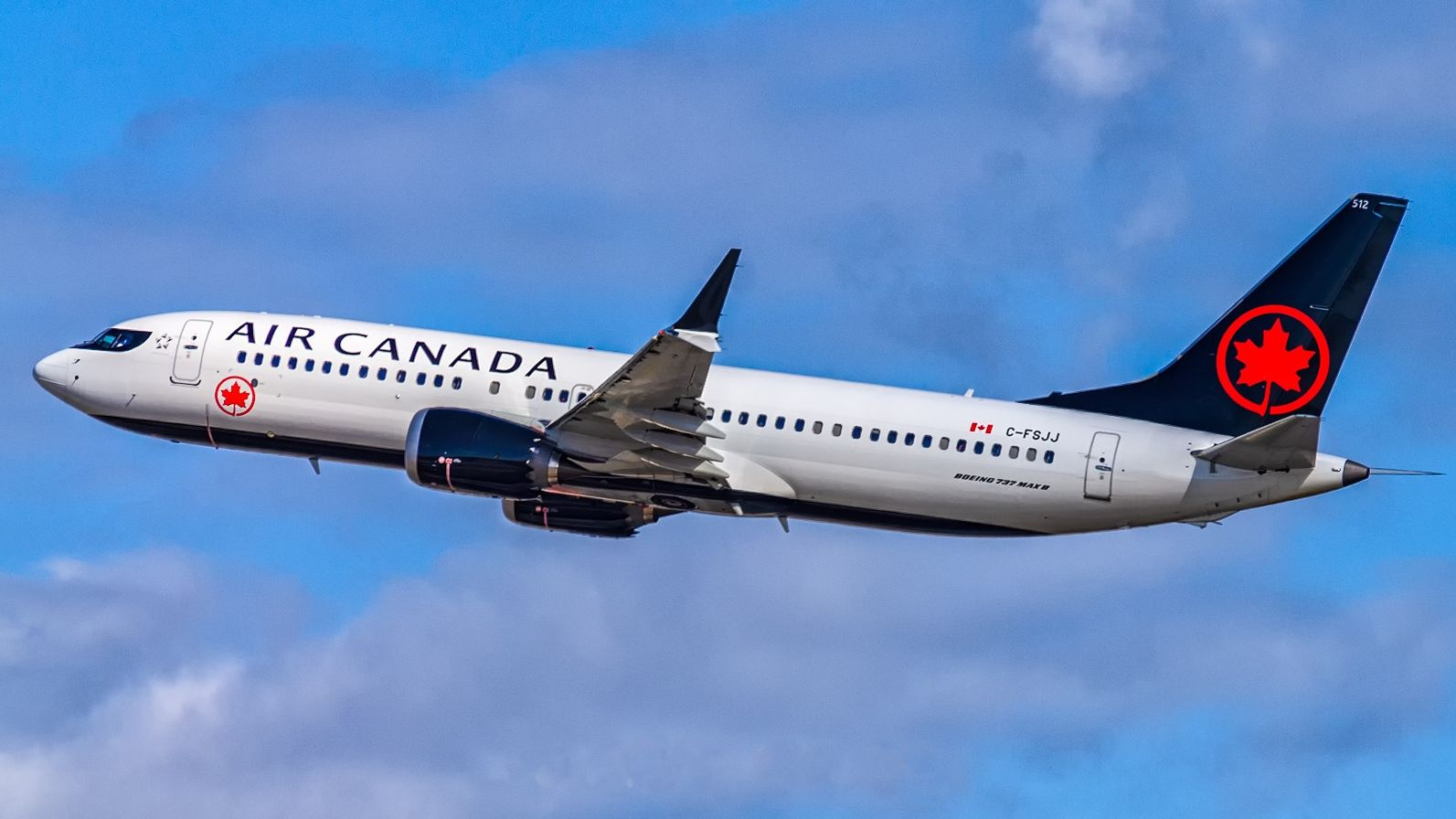
Madrid/The Canadian airlines Air Canada, Air Transat and WestJet Airlines have indefinitely suspended their operations to Cuba, along with the tourist activities of Sunwing Vacations – currently integrated into WestJet Group –, citing political and economic uncertainty and the worsening of the supply crisis on the Island as the cause.
Air Canada spokesman Peter Fitzpatrick explained that The decision responds to “ongoing conditions of political and economic uncertainty,” adding that affected customers will be able to opt for refunds, among other alternatives. Air Canada had already temporarily suspended its flights in February due to warnings about fuel supplies at Cuban airports, and had subsequently postponed his return until November 1, 2026.
For its part, Air Transat communicated that The decision was made due to “the current geopolitical situation in Cuba” for which they must suspend their operations “for an indefinite period.” The post adds that affected customers will be notified of other available flight options.
In the case of WestJet, the company pointed out that It was a “difficult decision” motivated by the “current operating environment,” in reference to the suspension of its tourist programs to Cuba. “We are aware that this news may be disappointing for clients and travel agents,” said the company, which underlined the impact of the measure on local communities and the Cuban tourism sector.
“We are aware that this news may be disappointing for clients and travel agents”
The Sunwing Vacations tourism group – integrated into the WestJet Group – also announced the suspension indefinite suspension of its operations in Cuba, which affect the Sunwing Vacations, WestJet Vacations and WestJet Vacations Québec brands. The company explained that the decision was adopted after a review of its program on the Island and the current operating conditions, and confirmed that the suspension will remain “until further notice.” Travelers with existing reservations will be contacted for relocations or full refunds.
Ads match expiration of the established period by Washington so that foreign companies with links to sectors controlled by the Cuban Government disassociate themselves from them, under threat of sanctions.
Canada has historically been the main source of tourists to Cuba. However, the current crisis has accelerated the withdrawal of key operators. In February, Canadian airlines had scheduled more than 600 flights to Cuba, according to data from the analysis company Cirium cited by The Globe and Mail.
This June, around 20 international airlines continue to operate in Cuba, a significantly lower number compared to previous years.
According to information released by the Cuban Airport and Airport Services Company (Ecasa), this June around 20 international airlines continue to operate in Cuba, a significantly lower number compared to previous years.
Among the routes with the greatest presence, American Airlines maintains the main market share, with several daily flights from Miami to Havana, as well as connections to Santa Clara, Camagüey, Holguín and Santiago de Cuba. Delta Air Lines and, to a more limited extent, Southwest Airlines also operate in the US market.
From Panama, Copa Airlines maintains daily flights to Havana, Santa Clara and Holguín. From Spain, Air Europa is the only Spanish airline with direct flights to the Island, while Air China operates the Beijing–Madrid–Havana route, which also allows boarding in Madrid as an intermediate point.
Other international airlines that maintain operations in Cuba include Aeroméxico, Conviasa, Wingo, Caribbean Airlines, InterCaribbean Airways, Cayman Airways, TAAG Angola Airlines, Bahamasair, Rutaca, Aruba Airlines, Fly All Ways, Sky High and Neos, in addition to various charter operations from the United States and the Caribbean. Although with a significant reduction in flight frequencies.
So far in 2026, at least eleven airlines have suspended their operations in Cuba, including Air Canada, WestJet, Sunwing, Air Transat, Iberia, LATAM Perú and Turkish Airlines, largely caused by the fuel crisis, the drop in tourism and the pressure derived from US sanctions.