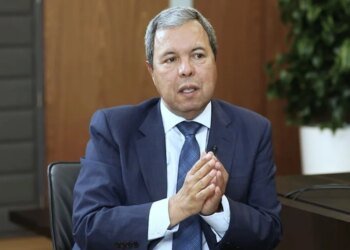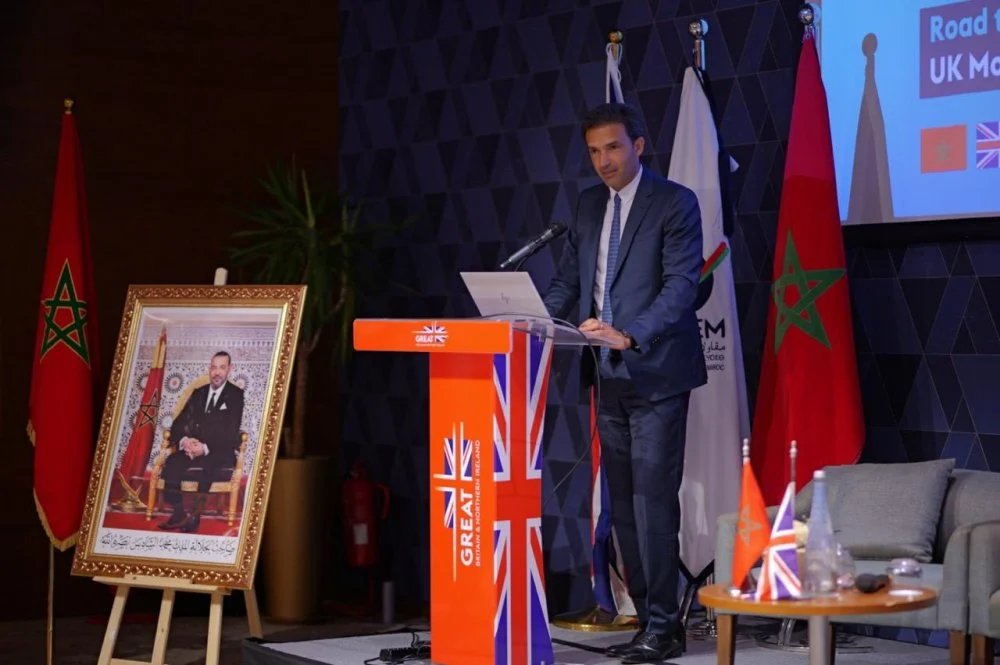
Mehdi Tazipresident of the General Confederation of Moroccan Enterprises (CGEM)set the scene with calculated sobriety. “We invest in each other and share the same ambition for sustainable growth and shared prosperity,” he declared in front of an audience of decision-makers from the two countries. The relationship, he insisted, is based on “mutual trust» — a slogan that the figures are beginning to seriously support. Indeed, since the entry into force of the Morocco–United Kingdom Association Agreement in 2019bilateral trade flows have grown steadily to now exceed £4.6 billion per year. A figure which takes on its full meaning in the current context of reconfiguration of global supply chains, where the Kingdom is establishing itself as a credible alternative for British manufacturers seeking diversification. On the British side, Ben Colemancommercial envoy of the Prime Minister for Morocco and West Africa, welcomed what he described as “concrete ambition” carried by Morocco, welcoming the “exceptional” mobilization of companies from the two countries. His intervention highlighted a complementarity that the two economies were perhaps slow to fully exploit: on the one hand, Morocco, a rapidly expanding industrial and technological hub, strategic gateway to the African continent; on the other, a United Kingdom with its global expertise in finance, complex project engineering and design.
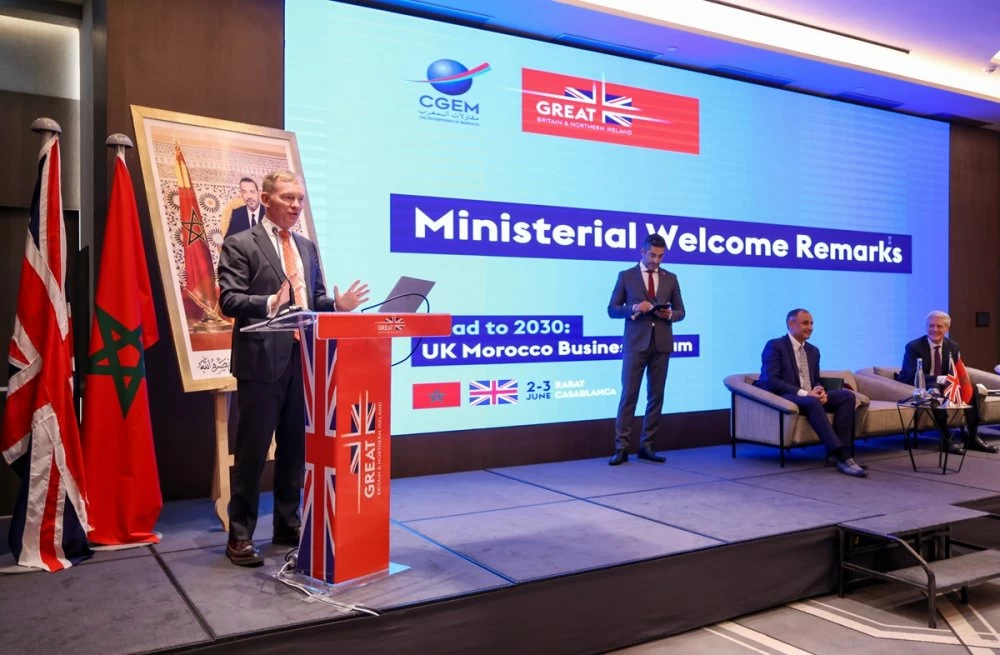
The most telling symbol of this alignment of interests remains the 2030 World Cup. British companies are expected to contribute to the major infrastructure projects that Morocco is undertaking for the event. Coleman drew an eloquent parallel with the London 2012 Olympic Gameswhich have profoundly transformed the east of the capital through significant investment and sustainable urban regeneration. A model from which Morocco clearly intends to draw inspiration.
Beyond sport, it is the agreements concluded in June 2025 which structure the new geometry of the partnership. These texts have opened up never-before-explored perspectives in sectors as diverse as infrastructure, water management, mobility, security and migration issues — all areas where technical and financial complementarity between the two countries can produce rapid effects. Royal Air Maroc is also playing its part by strengthening air connectivity between the United Kingdom, Morocco and the entire African continent, thus consolidating the role of hub that Casablanca intends to occupy.
The forum was structured around panels and workshops devoted to partnerships in infrastructure, security of major events, project financing and technologies applied to crowd management. So many signals that this rapprochement is no longer in the realm of intentions but is entering the phase of investment decisions and joint ventures. The commercial relationship between the two Kingdoms has therefore reached a decisive level.