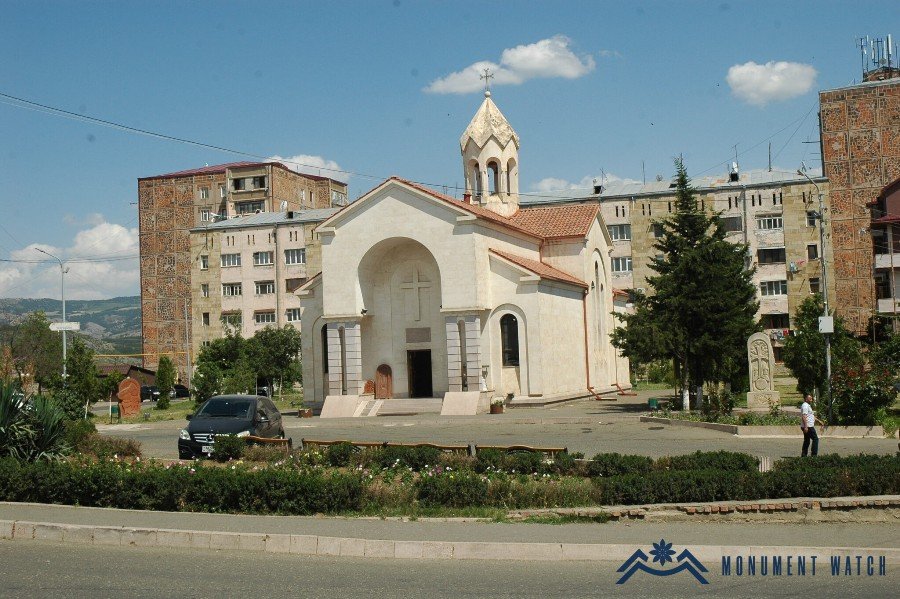
The Azerbaijani side demolished the St. Hakob Church located on Hekimyan Street in Stepanakert.
Judging by the shared photo, not only the church was destroyed, but also the entire surrounding area of the church was razed to the ground.
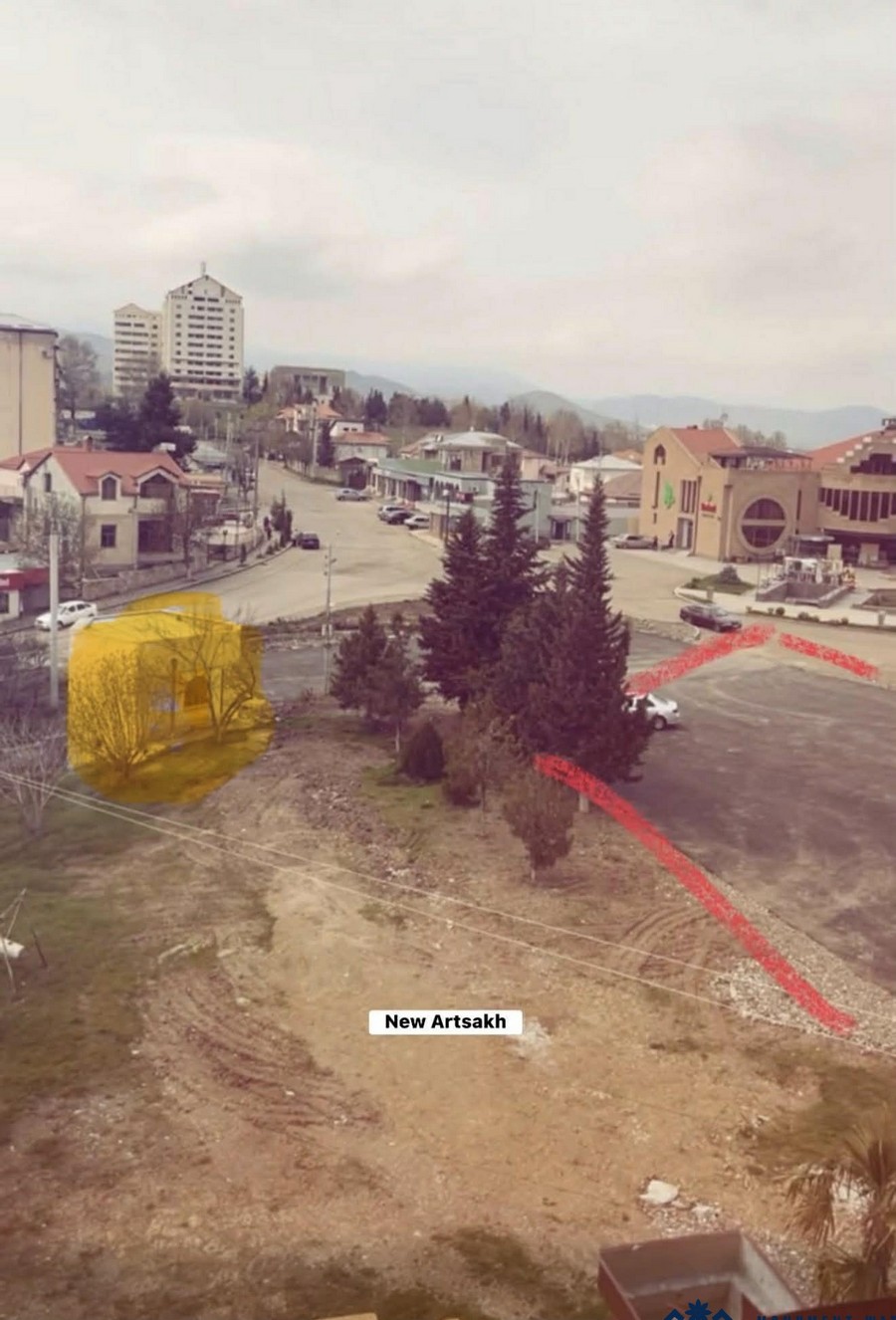
This means that the khachkars and monuments on the territory of the church were also destroyed. The khachkar made by the sculptor Robert Askarian was especially noticeable.
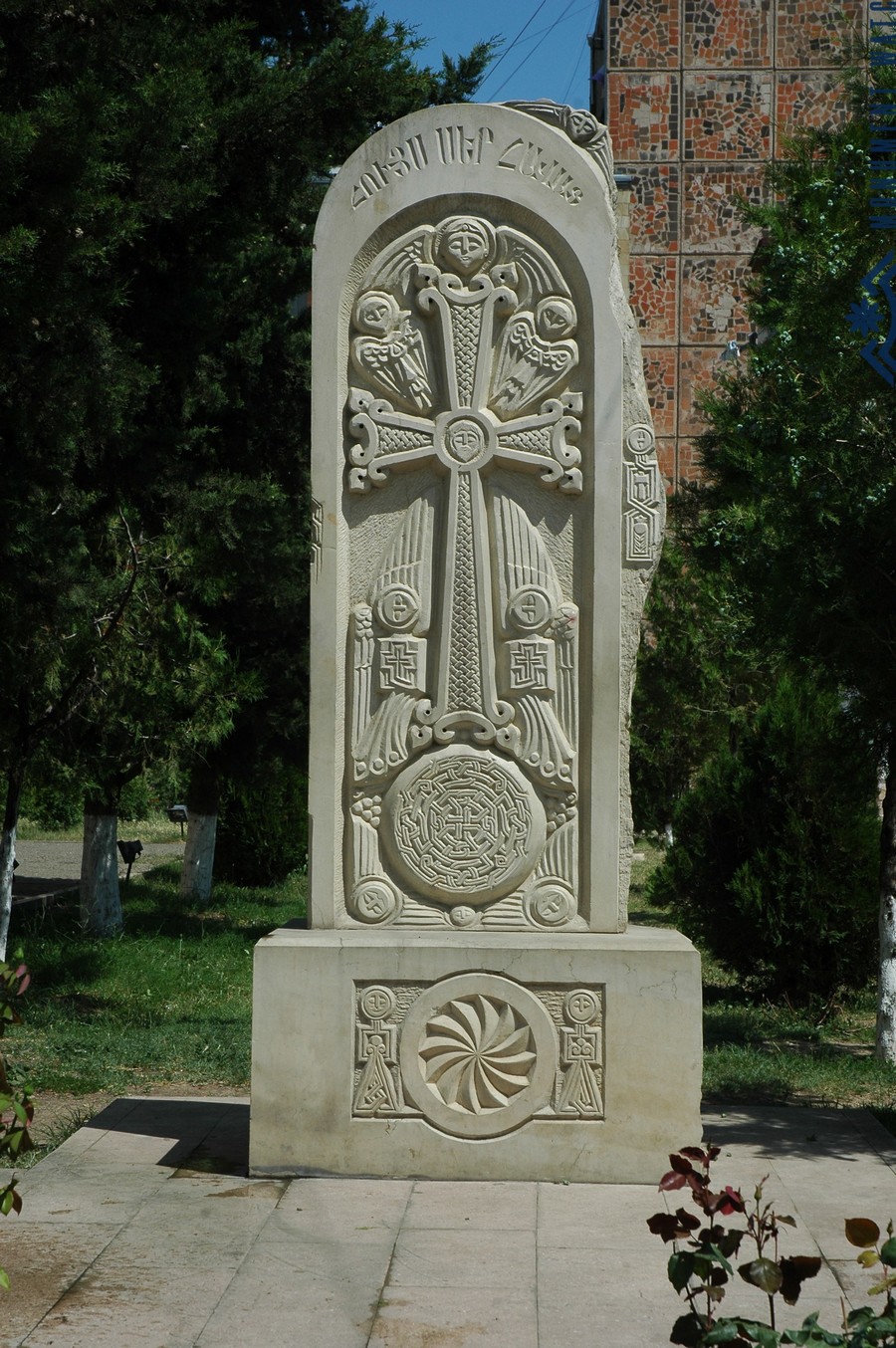
They “responded” to the destruction of the church Azerbaijani news mediawhich described the church as “illegal and subject to dismantling”.
It should be noted that the Church of St. Jacob was built in 2007. About the church details here:
Our response
The intentional destruction of St. Jacob’s Church in Stepanakert violates Article 8 of the Rome Statute and is considered a serious crime against humanity. Damage to the church according to the 1954 Hague Convention on the Protection of Cultural Property in Armed Conflict. of Article 4 of the Convention and additionally, 1999 Article 15(a) of the adopted Second Protocol is a “serious violation” which, as a war crime, can be prosecuted in international courts.
The destruction of St. Jacob’s Church is also a genocidal act, because today the issue of genocide is also considered in the context of attacks on cultural heritage (ICC, Policy on Cultural Heritage, para. 88).
The Manual for the Examination of the Cultural Heritage Provisions of the Rome Statute states: “Crimes against or affecting cultural heritage are often linked to or committed as part of genocide (ICC, Policy on Cultural Heritage, para. 78) The destruction of cultural heritage can cause serious psychological damage to people, increasing the gravity and seriousness of genocidal acts under Article 6 (b) of the Rome Statute.”
In addition to the physical damage, the destruction of the Saint Hakob Church leaves deep emotional and cultural consequences for the affected community, being considered a gross violation of the rights of the Artsakh Armenians and the entire Armenian culture. Article 27 of the Declaration “On Human Rights and Fundamental Freedoms” defines the universal guarantee of cultural rights: “Everyone has the right to participate freely in the cultural life of the community, to enjoy the arts, to participate in scientific progress and its benefits.” In addition, Article 4 of the Universal Declaration on Cultural Diversity and Paragraph 4 of Human Rights Council Resolution 10/23 state that no one can violate human rights guaranteed by international law, nor limit their scope.
Monument Watch, “Artsakh cultural of inheritance monitoring» academic platform
According to the “Copyright and Related Rights” Law, the reproduction of extracts from news materials should not reveal the essential part of the news material. When reproducing excerpts from news materials on the website, it is mandatory to indicate the name of the media outlet in the title of the excerpt, and it is also mandatory to insert an active link to the website.